
From calls to collars: How the EU is supporting wildlife tracking in Albania
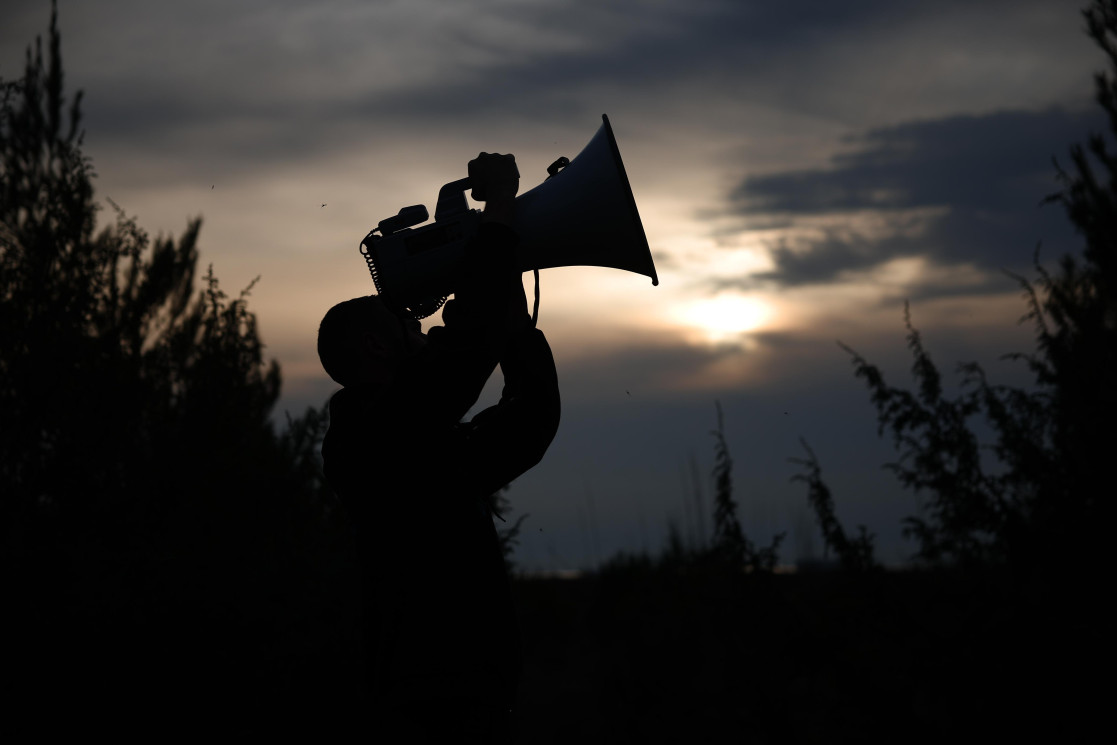
As dusk settles over the forests of Divjaka, a team of wildlife biologists takes up position to study jackals, listening to their calls, tracing their movements, observing their responses, and unravelling the subtleties of their communication and behaviour.
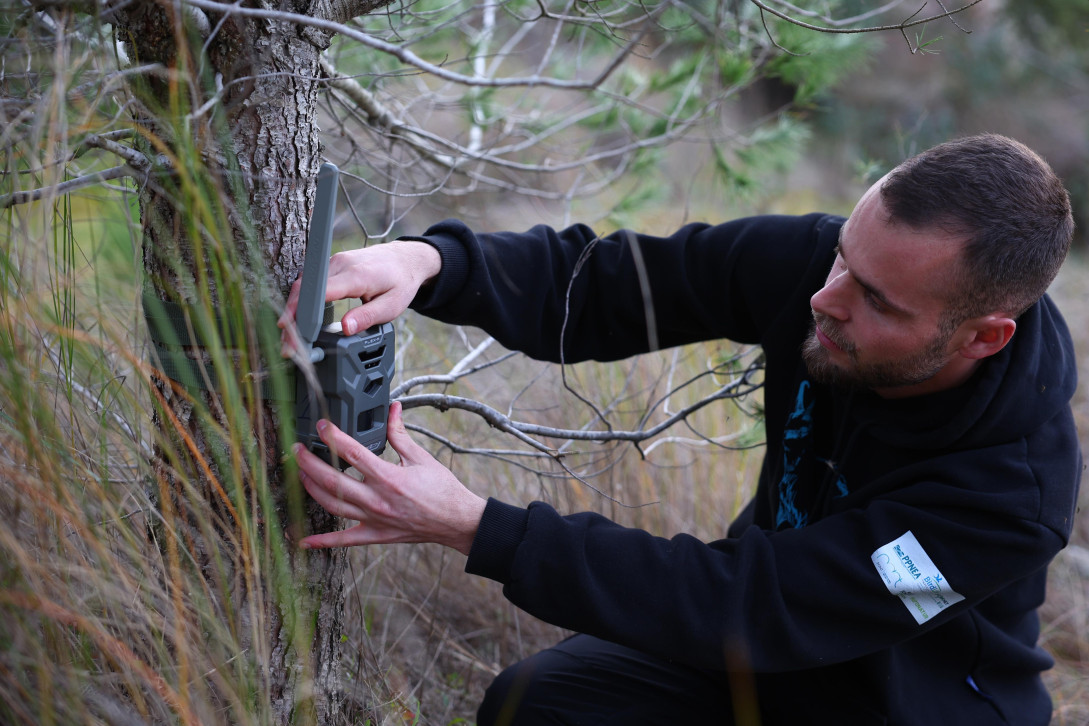
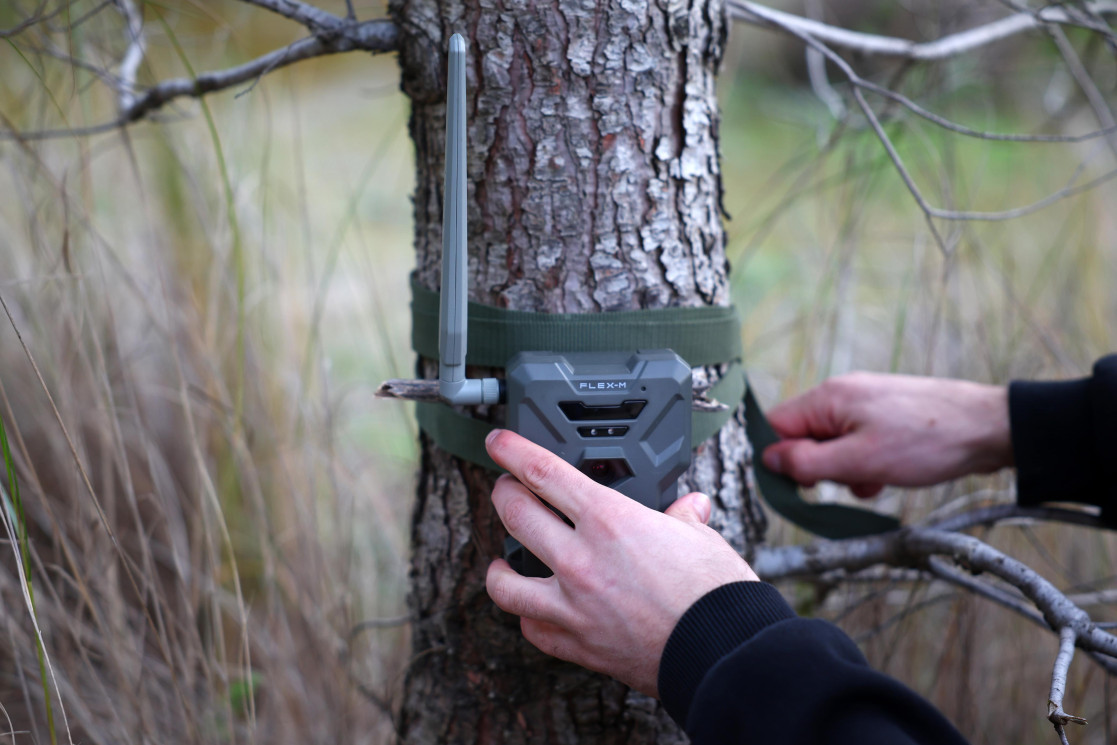
“Jackals live in social groups, and each group actively defends its territory. To study them, we conduct intensive monitoring using innovative acoustic methods and camera traps. Through a megaphone and several passive devices placed at intervals, we broadcast pre-recorded jackal calls every five minutes and then record the following five minutes of responses. The jackals interpret these calls as intrusions from rival groups and react accordingly, allowing us to document their communication and territorial behaviour in detail,” says Melitjan Nezaj, a wildlife biologist from PPNEA (Protection and Preservation of Natural Environment in Albania).
EU Delegation to Albania
Nezaj, accompanied by biotechnologist Emiljano Qorraj and a specialist from Divjaka National Park, places the audio equipment and camera traps provided through the 4PETHABECO project, under the Interreg IPA ADRION Programme, co-funded by the European Union. Supporting a greener and more climate-resilient Adriatic–Ionian region, the project is testing solutions to protect and restore flora and fauna, while also envisaging the use of blue and green infrastructure.
“Communication occurs not only between male and female jackals, but also between adults and their young. By analysing these vocalisations, we can estimate population size, understand social structure, and create detailed maps of their distribution. This work is carried out at night, after sunset, since jackals remain hidden during the day to avoid human presence and emerge after dark to hunt,” explains Nezaj.
According to him, where jackals thrive, foxes are absent, as the two species compete directly. Likewise, jackals and wolves do not share the same territory. “Studying jackals is vital for biodiversity, as they help maintain ecological balance by regulating bird and rabbit populations. In Albania, they are concentrated in the western regions, where livestock farmers often report damage. Understanding their population density is essential for integrating them into park management plans and preserving ecological stability, especially in light of human impacts on the food chain,” Nezaj stresses.
EU Delegation to Albania
Data gathered through camera traps and acoustic call stimulation within the framework of the 4PETHABECO project indicate that the population remains stable. Continued monitoring and analysis of the recorded material over several months will provide deeper insights into their numbers and dynamics.
A bear between two nations
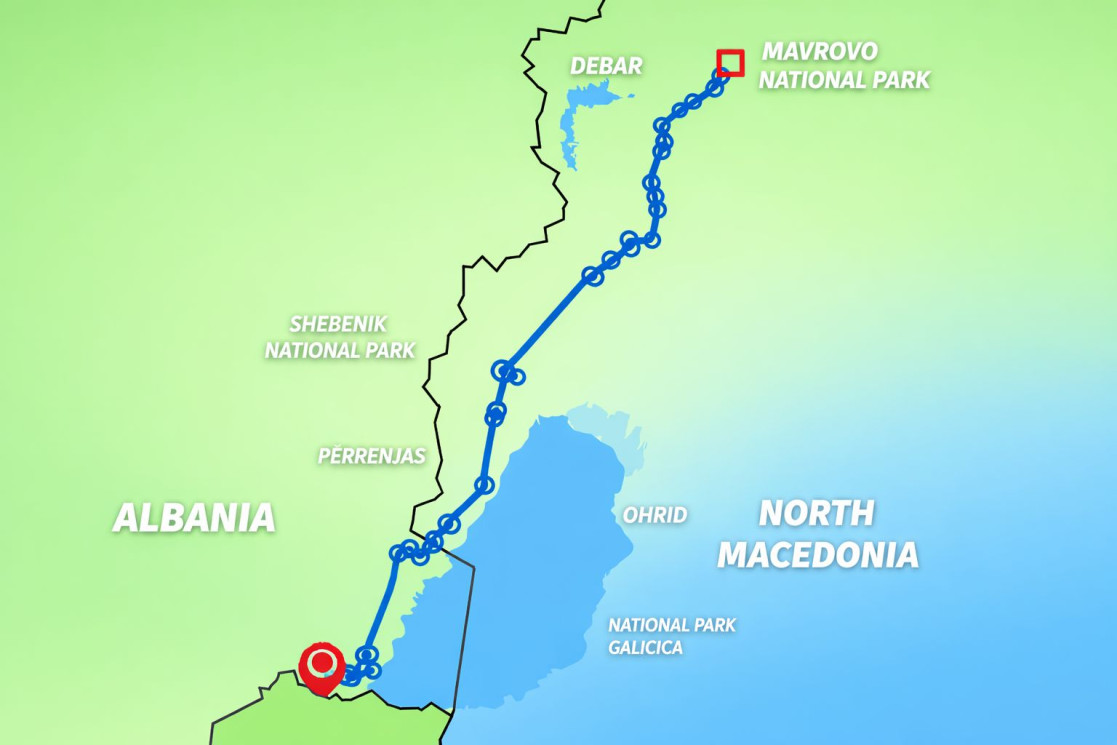
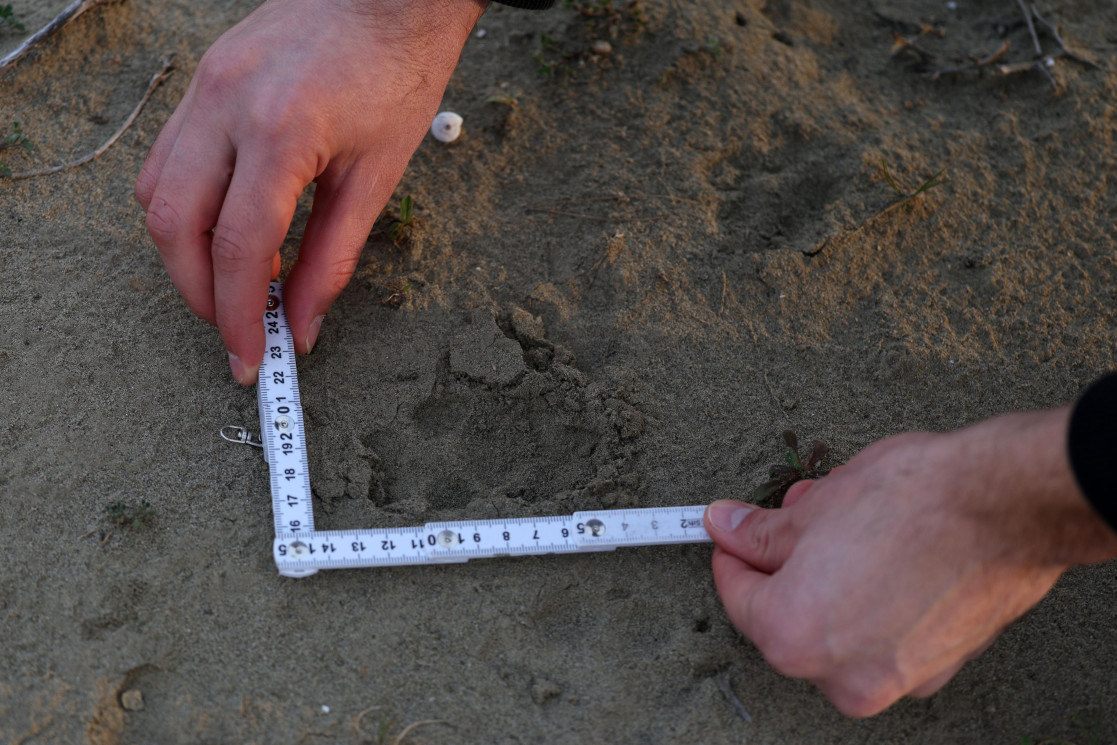
Last autumn, in the Trebinje area near Mokra in Pogradec, a brown bear was caught in traps set by residents for wild boar. The PPNEA team, together with zoo veterinarians, sedated the animal and decided to relocate it further away from the village to prevent potential aggression in residential areas. Once they reached a forested site, the bear was released after being fitted with a GPS collar provided through the Interreg IPA ADRION Programme. Since then, the bear has travelled more than 100 kilometres, crossed borders, and eventually reached Mavrovo National Park in North Macedonia.
EU Delegation to Albania
“This is only the second bear in Albania to be monitored using this method. The GPS collar transmits hourly location data, allowing us to track its movements in detail. Through this monitoring, we aim to understand whether the bear will return to the original area, whether it prefers remote habitats, or whether it has become accustomed to human presence. In some cases, bears adapt to people, return in search of food, and cause fear among residents. These insights make this research essential for both conservation and community safety,” explains Nezaj.
According to the wildlife biologist, over recent months the bear has travelled an unusually long distance for a female. Its movements also reveal that it has not entered hibernation, a behaviour likely influenced by climate change and a lack of food in autumn, when bears must build fat reserves to survive the winter. Unable to do so, the bear has approached villages in search of food.
EU Delegation to Albania
“The GPS data will be crucial for scientific research, helping to map ecological connectivity across protected areas and identify wildlife corridors that require protection. Understanding where bears spend the winter is critical to preventing inappropriate infrastructure development and limiting human presence, thereby reducing conflicts with residents. If a bear is confirmed to follow a specific route, residents are alerted to take protective measures, such as installing electric fences. Other strategies include relocating the bear to remote areas,” Nezaj notes.
In addition, PPNEA is planting fruit trees, including cherries and blackberries, in mountainous regions, so that bears can find food in their natural habitat rather than descending into villages.
Background information
The 4PETHABECO project, co-funded by the European Union, aims to test solutions to protect and restore terrestrial habitats and populations of large carnivores, focusing on lynx, bear, wolf and jackal. The project also plans to incorporate green infrastructure solutions to enhance ecological connectivity. Its objective is to improve the resilience of large carnivore populations at transnational level in a territory characterised by human-dominated or fragmented ecosystems, in the face of environmental threats and risks, including those caused by climate change. The activities undertaken for the implementation of the EUSAIR flagship PET HAB ECO are also related to transboundary large carnivore management synchronisation, public awareness activities to bring these unique species to the public’s attention, and the restoration of ecosystems in which they play a key role, protecting important habitats and enhancing their movements.The project partnership involves ten institutions from eight countries: Slovenia, Serbia, Croatia, Greece, Italy, Montenegro, North Macedonia and Albania.