Environmental challenges along the Ishëm River: EU support to tackle pollution crisis
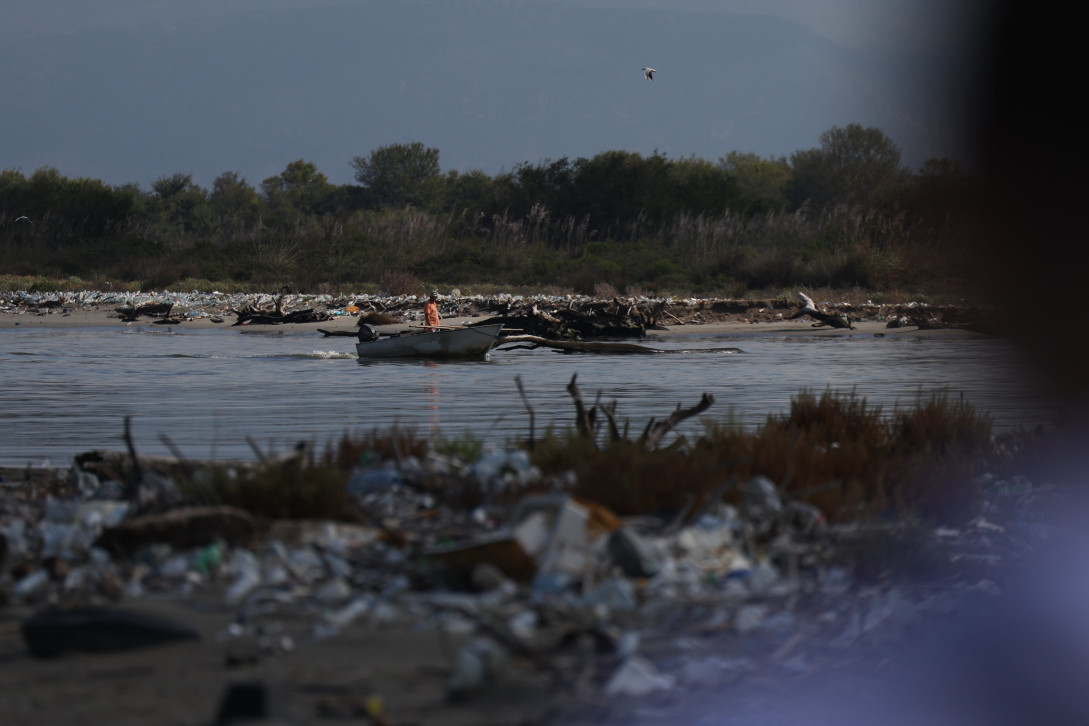
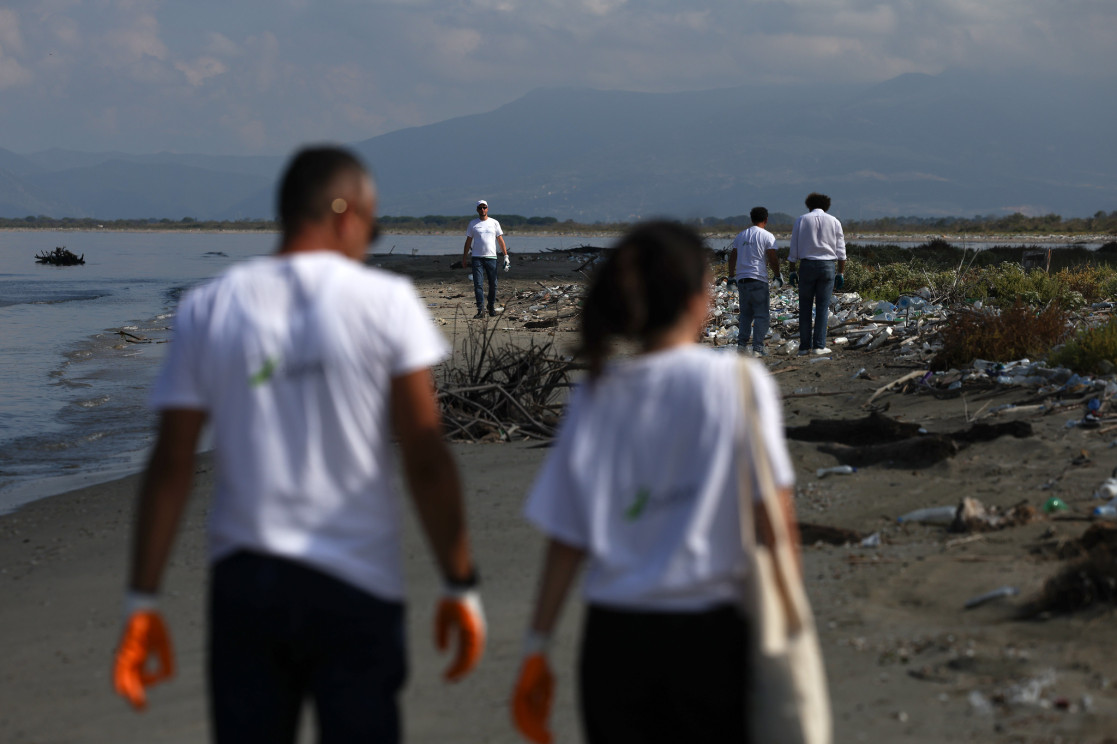
Yoghurt pots, detergent containers, carpets, car parts, nappies, helmets, and countless bottles of water and juice litter the area. Everyday household items, from food packaging to furniture fragments, now lie discarded in nature instead of in shops.
Everything we use, everything we need, everything we sell, everything we buy, from food to drink, from clothes to furniture, a vast market of everyday life has a lifecycle, which ends in waste. Yet this market, with all our lives, used, dirty, and discarded, is not given a new life through recycling, but scattered across nature, along the long coastline of Ishëm, Durrës.
EU Delegation to Albania
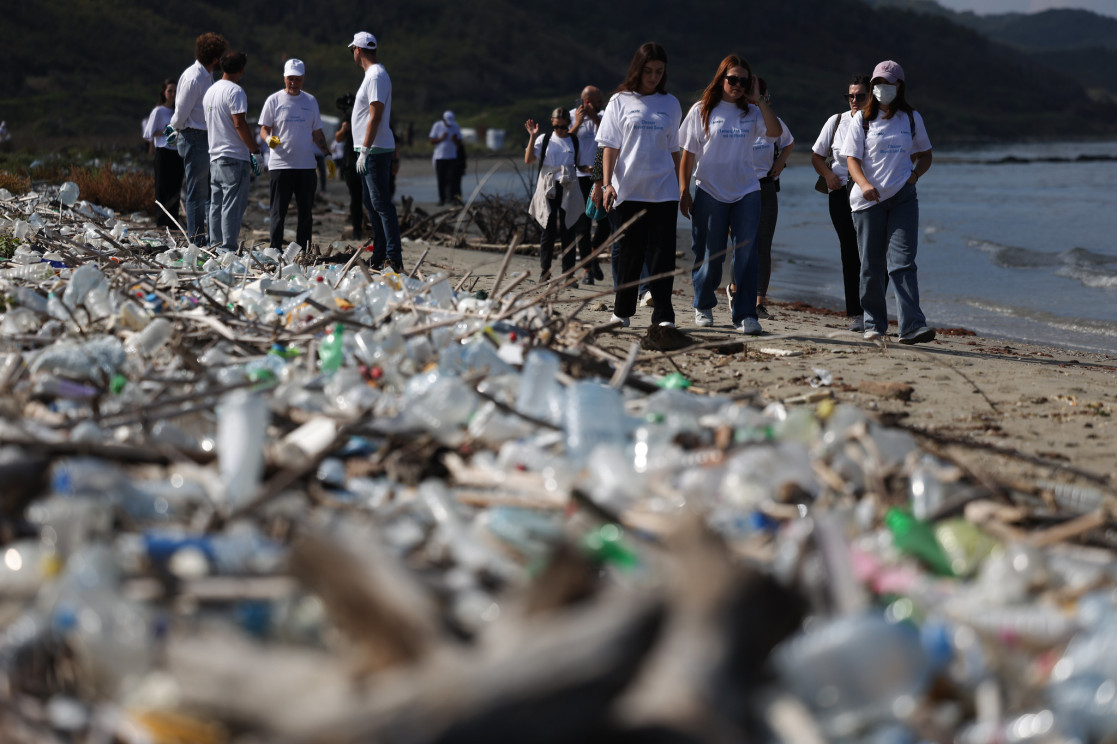
The products from this “coastal market” were once staples in households across the six municipalities along the Ishëm River: Tirana, Kamëz, Vorë, Krujë, Kurbin, and Durrës. Today, these once-cherished goods have become heaps of waste: what is not floating in the ocean is pushed by currents to the shore across kilometres of sand, seawater, and shrubbery—concealing nature beneath layers of pollution and transforming the Ishëm estuary into one of the most contaminated areas in the country.
“The tonnes of waste that are dumped in the river end up in the Ishëm delta, and have a serious impact on both the environment and human health. They pose a grave threat to nature, animals, and our very lives,” says Laura Gjyli, Lecturer in Biology and Microbiology at the Department of Applied and Natural Sciences, University ‘Aleksandër Moisiu’, Durrës.
Water pollution, ecosystem degradation, soil disruption, and river blockages may cause severe environmental consequences.
“Solid waste—primarily plastics such as bottles, hospital refuse, and urban or industrial debris—contaminates both river and seawater, posing a grave threat to aquatic life,” she explains. “The delta, a hotspot of biodiversity, is particularly vulnerable. Pollution jeopardises rare species of fish, birds, and plants native to the area. Animals often ingest plastic or become entangled in it, resulting in injury or death. Plant life is also harmed by both macro- and microplastics. Furthermore, when solid waste obstructs the river’s natural flow, it can trigger flooding and accelerate soil erosion.”
The impact of waste on nature directly affects human life.
EU Delegation to Albania
According to Gjyli, studies reveal that the average person unknowingly consumes around five grams of plastic each week—the equivalent of a credit card. She warns that polluted water, including untreated sewage from the capital flowing into the Ishëm River, poses serious health risks. “Using contaminated water for agriculture or fishing can spread diseases such as hepatitis, cholera, and intestinal infections,” she notes. Illegal burning of plastic waste, meanwhile, releases toxic gases that damage the respiratory system and contribute to chronic illness. “Nanoplastics, which accumulate in the air, further exacerbate these risks. Regular exposure to waste increases the likelihood of infections, injuries, and other health issues, especially among children and local residents. Contaminated fish and agricultural products carry these pollutants into the food chain, putting consumers at risk of long-term health problems—from hormonal imbalances to cancer—as microplastics and nanoplastics build up in the body.”
The EU is actively supporting Albania through several major environmental and nature-focused projects, including EU4Nature, EU4Water, EU4Rivers, EU4CircularEconomy and Liveable Cities, EU4Innovation, EU for a Cleaner Environment, the newly signed EU4Forests and EU4Municipalities. Furthermore, under the the Reform Agenda under the Growth Plan 2024–2027, supports reforms in the field of clean energy and energy efficiency worth €127 million.
EU Delegation to Albania
Aiming to protect biodiversity, improve waste management, and align Albania with EU environmental standards, air quality, water quality, waste management, chemical and industrial pollution, and risk management form part of Chapter 27 of Albania’s negotiations for EU membership. While Albania has made progress in aligning with the EU acquis on environmental legislation, substantial improvements in legislative alignment and implementation are still required.
Key steps include, among the others:
- Monitoring air quality, reducing air pollution, and ensuring real-time public access to air quality data by 2027
- Aligning with the EU acquis on waste management and water quality (the first steps being adopting new laws on integrated waste management and extended producer responsibility by 2025)
- Strengthening the internal waste management system, including operationalising the national waste agency
- Aligning to Environmental Impact Assessment and Strategic Environmental Assessment Directives
- Developing operational water monitoring systems to identify polluted waters and designating nitrate-vulnerable zones
- Align with the EU acquis in the area of nature protection
The integration process highlights the importance of protecting nature to safeguard Europe’s biodiversity. It encourages Albania to properly assess infrastructure projects for compliance with EU standards on biodiversity and nature protection, and urges effective monitoring, data collection, and clear authority responsibilities. Limiting the impact of chemicals on the environment and aligning with EU legislation on industrial pollution and risk management are also required.
All these steps addressing environmental challenges pave the way towards a cleaner future.
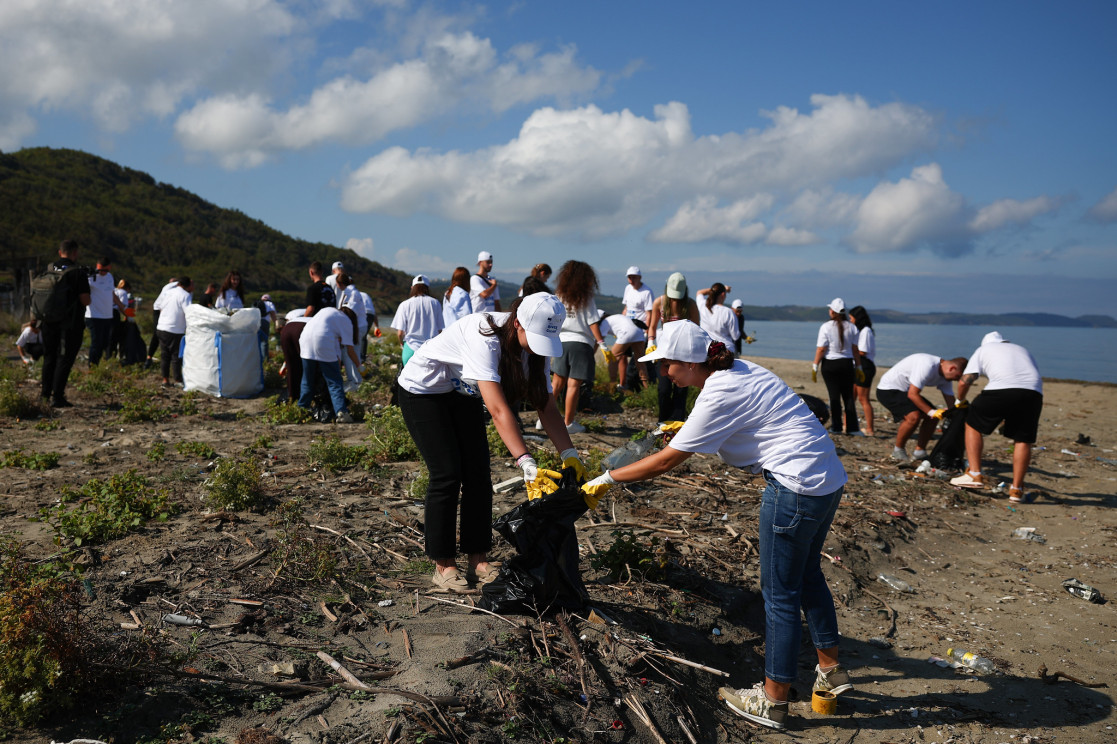
The Lecturer in Biology and Microbiology, herself engaged in several cleaning and recycling initiatives, encourages public awareness, reduced use of plastic bottles, regular recycling, active participation in clean-up efforts, and becoming role models within communities. Such actions, she stresses, would help cities and countries achieve a clean environment and healthier lives.