Giving children a voice: EU support strengthens speech therapy and social care
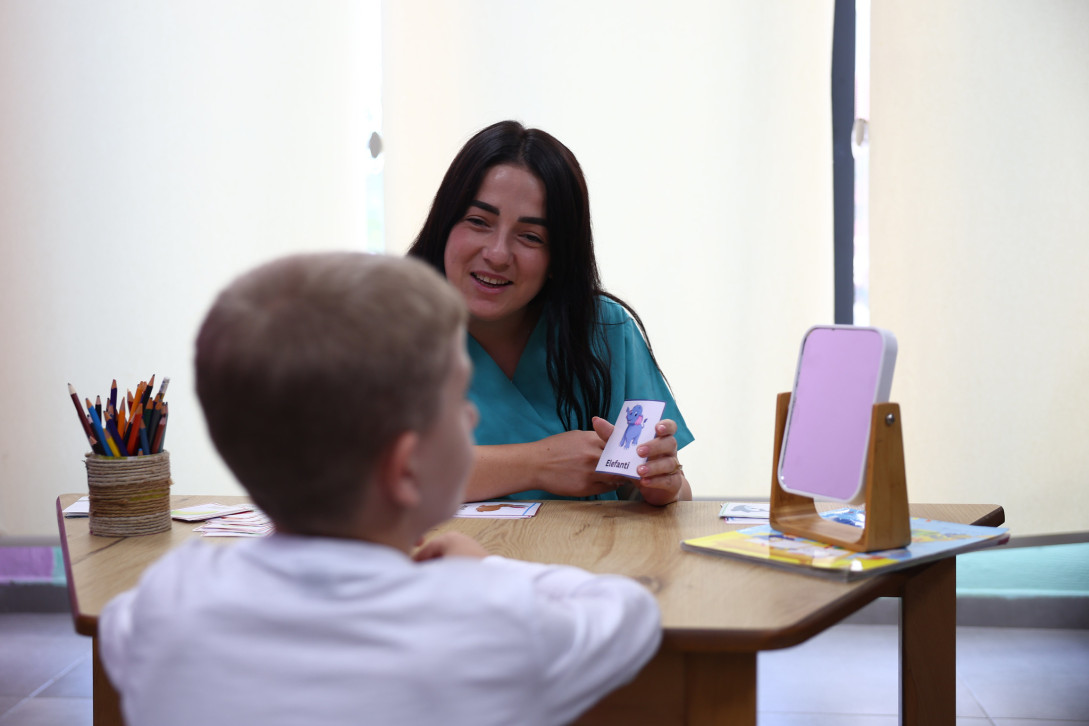
At nearly four years old, Stian had never spoken a word. His parents worried. His sister had begun talking before the age of two, and each day felt heavier with silence, as the child’s attempts to communicate did not translate into words or sentences, until speech therapy changed everything. “He was always full of joy, but he couldn’t express it. If Stian wanted something, he would take my hand and lead me to it, or simply point, but never speak. Not a word for water, not a word for food, or even for pain,” recalls Serxhio Mjekerzaku, father of five-year-old Stian, who finally spoke his first words after receiving speech therapy through the EU4SocialCare programme.
At first, his parents eagerly awaited words to break the silence. They consulted several paediatricians before speech therapy was finally suggested. The preschooler began therapy in February last year. Each session was different, tailored to his specific needs. He struggled with concentration and would not hold a toy for more than a minute. After four months, in a quiet corner of the renovated Multi-Functional Community Centre in Cërrik, a little boy’s first words— “mum” and “dad”—brought immense joy to his parents. They were more than words; they were proof of progress.
“Before therapy, he would only react by staring when I spoke to him. He never answered when I called his name, even though he was a lovely, social, always-smiling child,” his father shares. According to Stian’s therapist, Anxhela Ziu, he picks things up quickly but struggles with concentration and attention disorder. “With Stian, we use developmental and play therapy, depending on the day and how he feels. There are sessions where we don’t introduce new exercises but focus on developmental play, and others where we work more intensively on structured developmental exercises,” she explains. Alongside therapy and the invaluable support of his kindergarten teacher, Stian’s father was advised to play with him, introduce different games, go for walks, spend time outdoors, paint, build, visit playgrounds, and strengthen their bond.
“Now he can count up to 20, say the days of the week and the months. He also asks to go out, although his sentences are still fragmented. He says, ‘dad out’ instead of ‘dad, let’s go out’. But we have made a lot of progress, and I am happy. We are working regularly, and we are on the right path,” says Serxhio Mjekerzaku.
EU Delegation to Albania
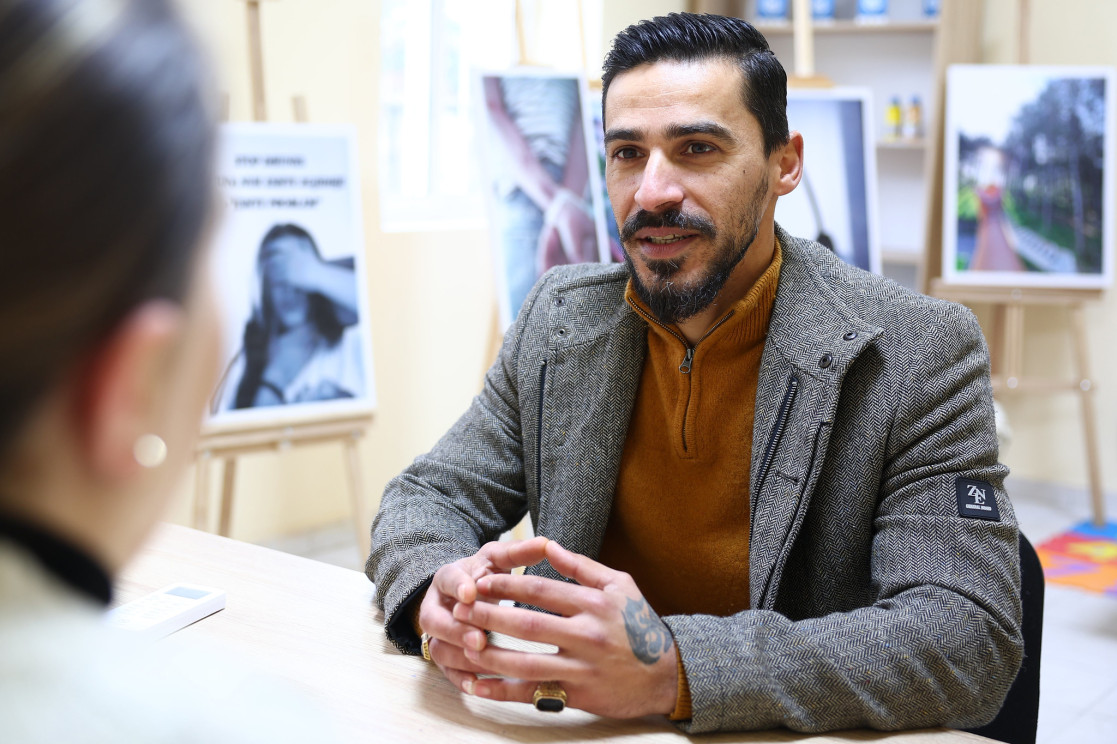
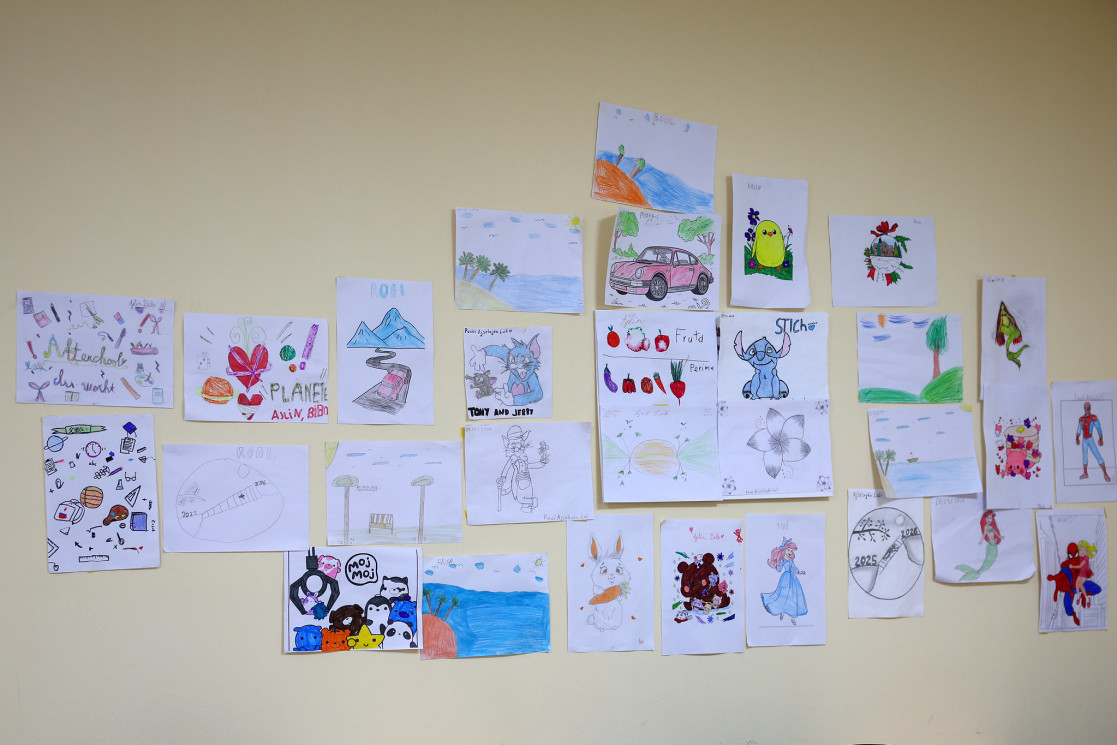
Stian is among 140 at-risk children and persons with disabilities expected to benefit from centre-based services at the Multi-Functional Community Centre in Cërrik, as part of the EU for Social Care programme. Within its framework, 200 individuals and 110 families have received support through the mobile team. The initiative has also strengthened the skills of 20 local service providers and expanded access to care through targeted community outreach. Beyond reinforcing Cërrik’s commitment to a more inclusive, responsive, and decentralised social care system, EU4SocialCare has also improved the centre itself through renovation.
Screen time: a silent enemy of children
Alongside sessions with a psychologist and speech therapist, work in kindergarten, and family support at home, reducing screen time proved crucial in Stian’s case.
EU Delegation to Albania
“Social media, phones, and technology are believed to have affected my son’s ability to speak. We used to allow him long periods on the phone, mainly during meals, otherwise he would refuse to eat. Now we have drastically reduced screen time, although there is still work to do,” says Serxhio, adding that he has met many parents facing the same challenge, as the effects of excessive screen exposure are becoming increasingly evident, especially among toddlers. According to his therapist, time spent on the phone was one of the factors influencing Stian’s language development. “He speaks English but struggles to communicate in Albanian. He knows letters and colours in English but expressing them in Albanian is difficult. That is why I advised his father to minimise screen time and replace it with indoor or outdoor play,” notes Anxhela Ziu.
A document prepared by NESET for the European Commission highlights concerns about the potential negative effects of excessive screen time on lifestyle behaviours, physical health, socio-emotional functioning, and academic performance. Research focusing on infants shows that brain development, particularly in cognition, language acquisition, executive functioning, and emotion regulation, may be negatively affected by screen exposure, especially television. One potential mechanism is sensory overstimulation caused by premature exposure to screens at an early age.
According to Stian’s therapist, when children focus on screens, they lose focus on interaction. “A child loses communication. Because the screen speaks, the child does not; he becomes passive. He loses concentration. Sometimes parents are not aware, and in other cases they don’t know how to manage or replace screen time, so they leave their children on the phone.”
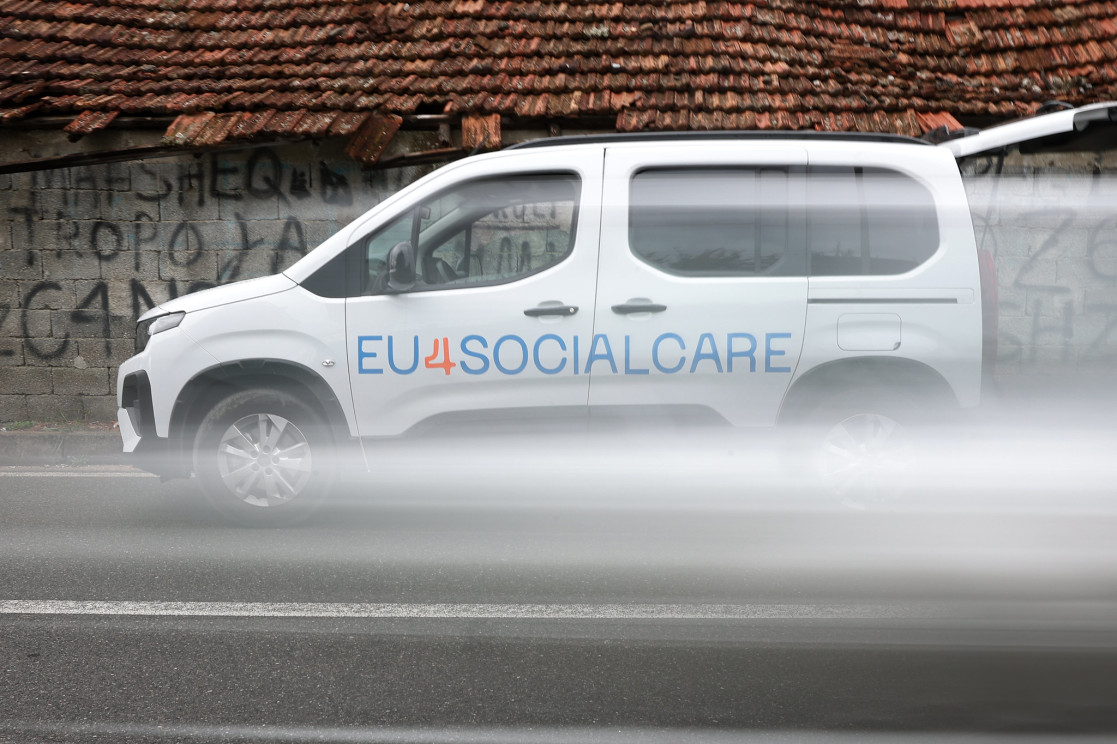
The EU4SocialCare programme provides outreach services for vulnerable groups, including children, women, and Roma and Egyptian communities. It supports services such as maternal education, child wellbeing checks, psychological support, vocational referrals for women, legal aid guidance, and developmental programmes for children.
EU Delegation to Albania
Background information
The EU for Social Care programme is funded by the European Union and implemented by UNICEF Albania and World Vision, in partnership with the Albanian Ministry of Health and Social Protection.
This €3.1 million project supports 14 municipalities over 36 months to establish and expand social care services addressing the needs and rights of vulnerable groups, including children with disabilities, women at risk, and young people in difficult situations. The programme is expected to reach 6,000 at-risk families, introduce innovative practices, and provide tailored training and mentoring for around 350 social care professionals and frontline workers. All activities are designed to respond to the country’s EU integration requirements.