How an EU cross-border project is bringing Shkodra Lake closer to UNESCO status
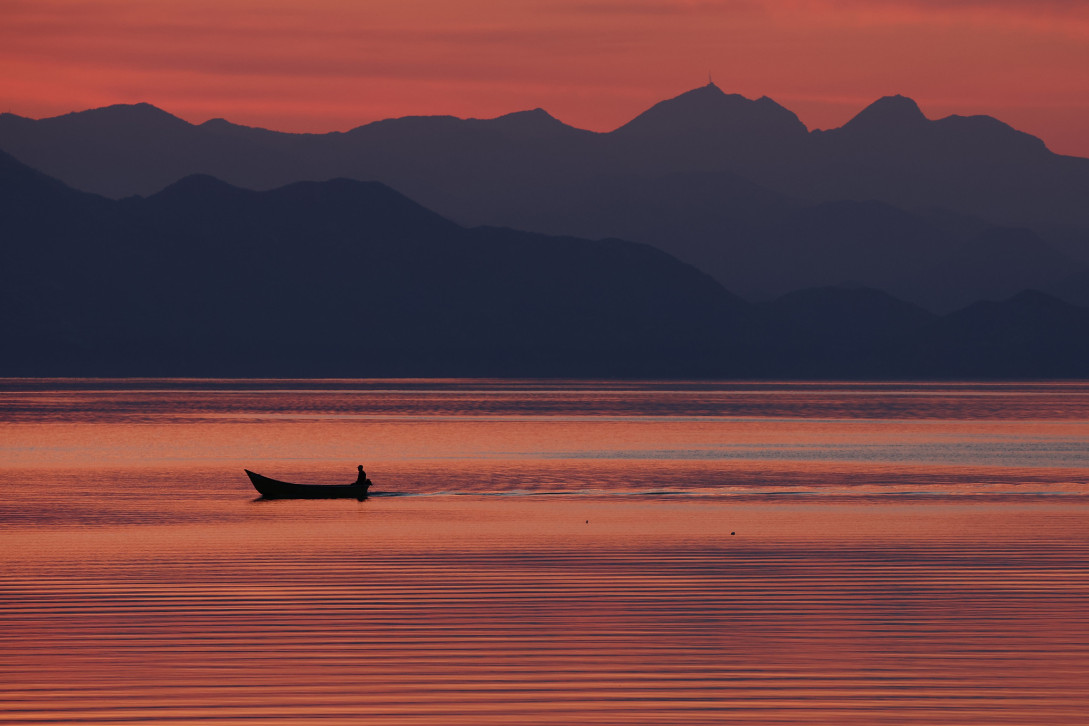
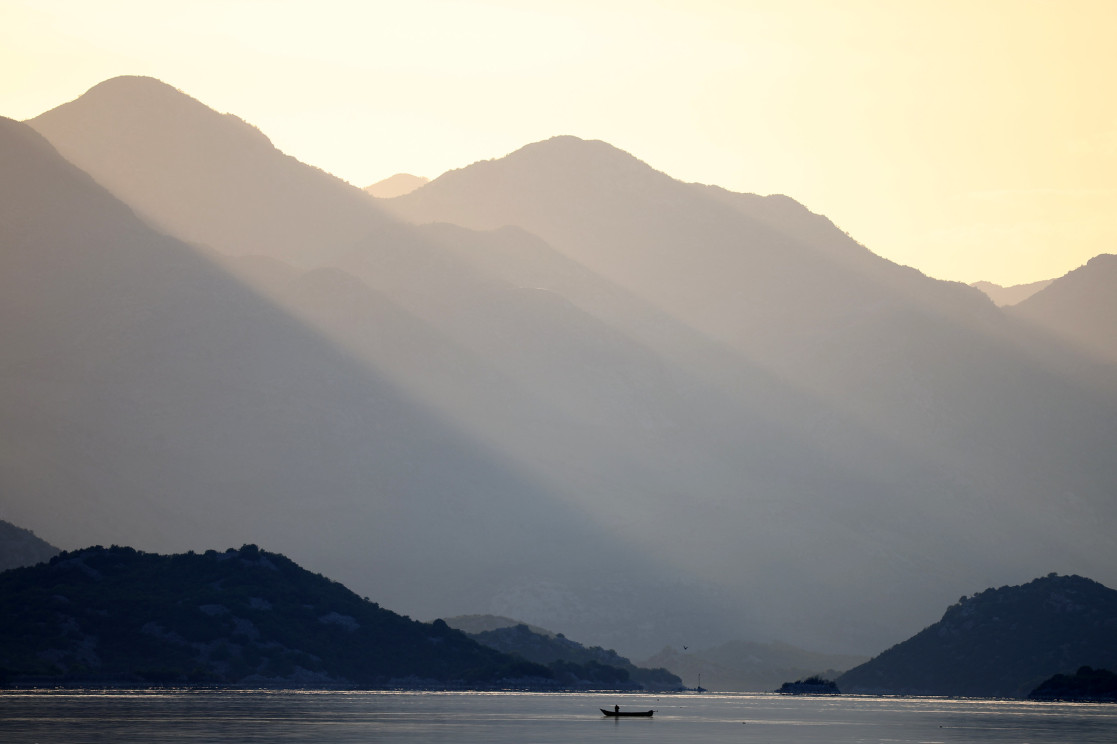
Almost a century ago, the calm waters of Shkodra Lake were crowded with countless boats. Fishing, transport, travel and communication between villages such as Shiroka, Zogaj, Kraja, Ljare and Shestan all relied on these vessels. “Especially on Tuesday evenings and Wednesday mornings, which were market days in Shkodra, these boats would leave from various docks around the lake heading to Shkodra’s bazaar,” Lec Shllaku wrote, describing fleets of boats carrying goods and passengers, making navigation as vital to lake dwellers as horses or carts were on land.
EU Delegation to Albania
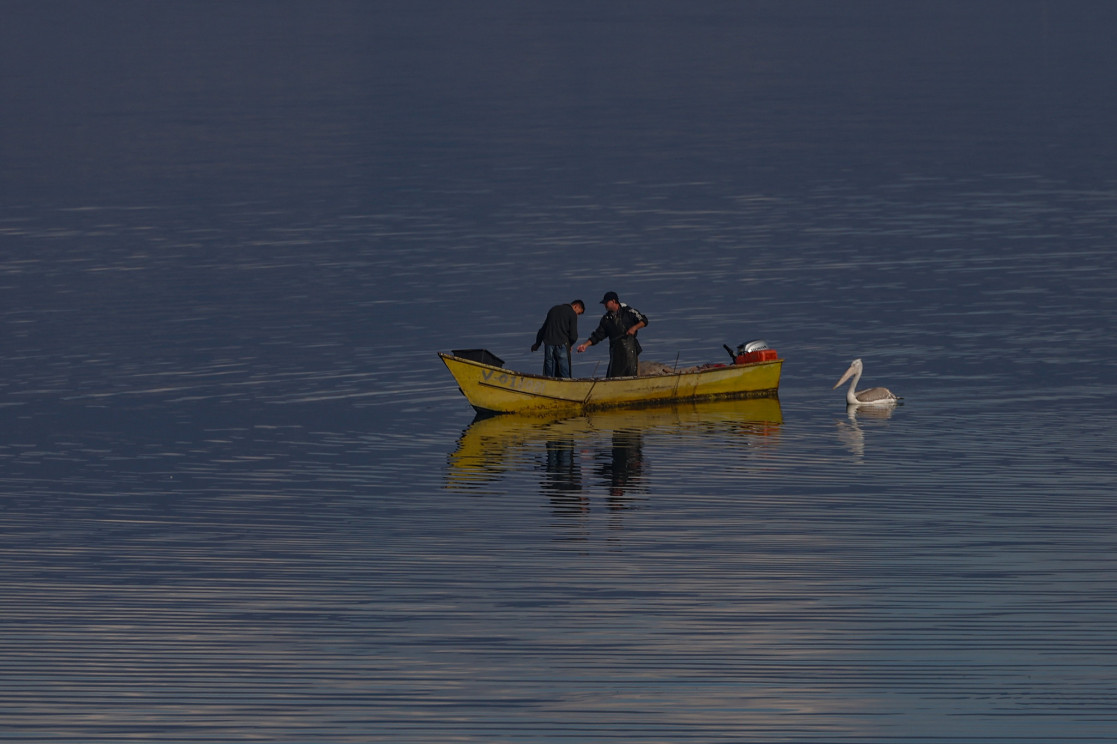
Most boats were built by the villagers themselves, while others came from local craftsmen whose workshops were located along the banks of the Buna River. The mirror-like, murky green waters reflected villages and inhabitants in their everyday lives: navigating the lake, holding their nets or sitting on chairs, setting off to fish before dawn.
A century later, as the memory of sailing wooden boats has faded, an EU-funded project is reviving it—seeking to re-evaluate the waters and lands, the rich biosphere both underwater and above, and the traditions, crafts, culture, festivals, rituals, customs and heritage that define the entire Shkodra Lake watershed. The area has now been nominated as a UNESCO transboundary biosphere reserve under the “Man and the Biosphere” Programme.
EU Delegation to Albania
The nomination dossier was finalised within the framework of the project “Skadar/Shkodër Lake Watershed Area – a Transboundary Biosphere Reserve”, funded by the European Union under the Albania–Montenegro Cross-Border Cooperation Programme and implemented by EDEN Centre (AL), EnvPro (MNE), the National Agency for Protected Areas (AL) and the National Parks of Montenegro.
“In just 36 months, we prepared three UNESCO application dossiers—two national and one transboundary—seeking Biosphere Reserve status for the Balkans’ oldest lake and its aquatic ecosystems,” explains Ermelinda Mahmutaj from EDEN. She highlights that “the IPA CBC Albania–Montenegro programme underpins this project by promoting ecosystem conservation and requiring partner cooperation. Its core principles—joint design, implementation and management—were essential in preparing the three UNESCO application dossiers, without which success would not have been possible.”
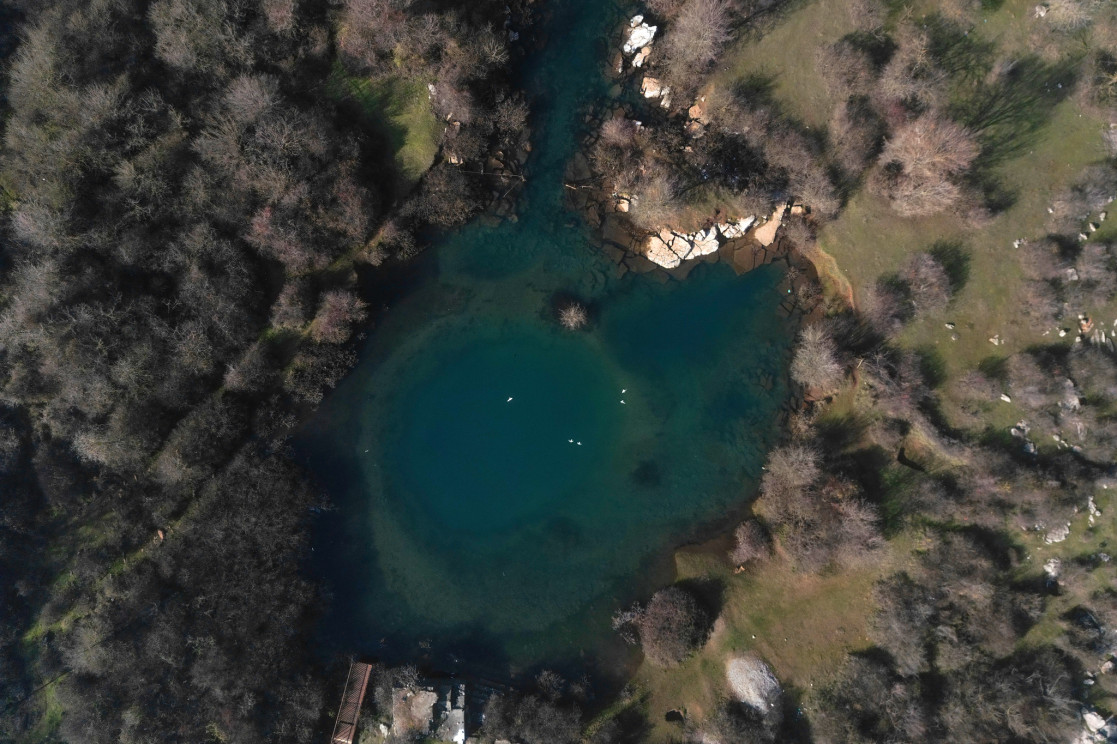
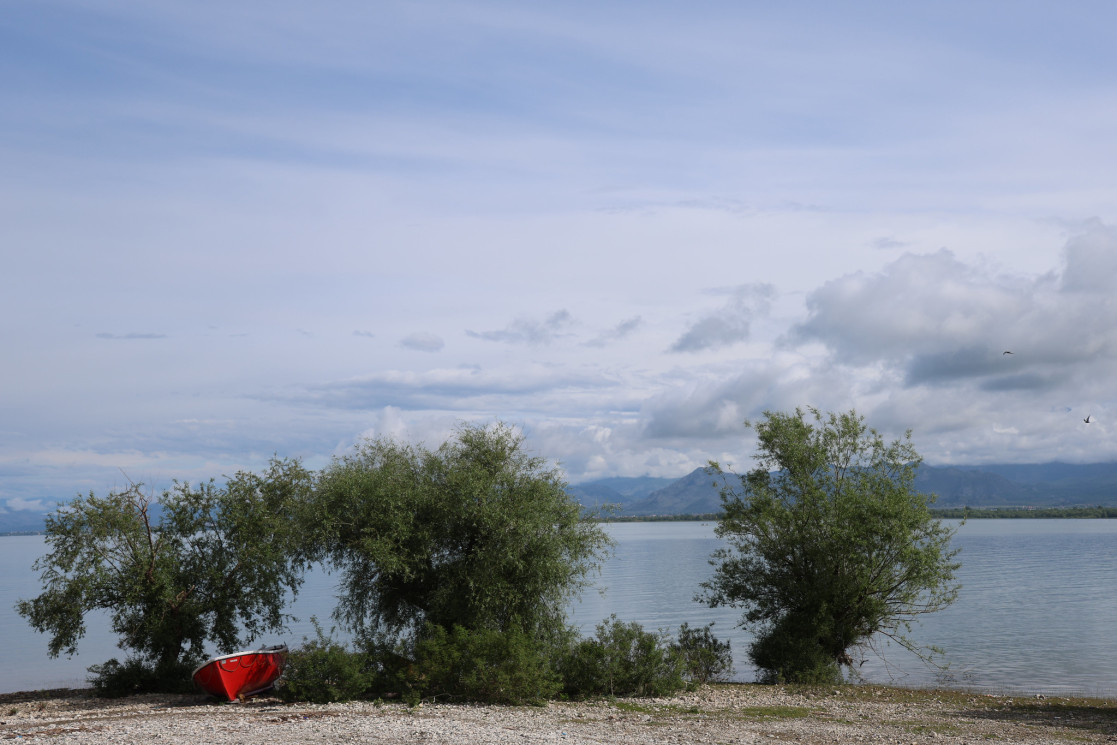
The Shkodra Lake Basin encompasses the lake itself, its outlet through the Buna River, the Cem and Kir rivers with their tributaries, and the confluence of the Drin and Buna. “Together, these waterways create a distinctive and dynamic landscape that embodies the story of people and place, reflecting the deep interdependence of humanity and nature and forming the foundation of this nomination dossier,” explains Klodiana Marika, Director of Biodiversity and Protected Areas at the Ministry of Environment.
EU Delegation to Albania
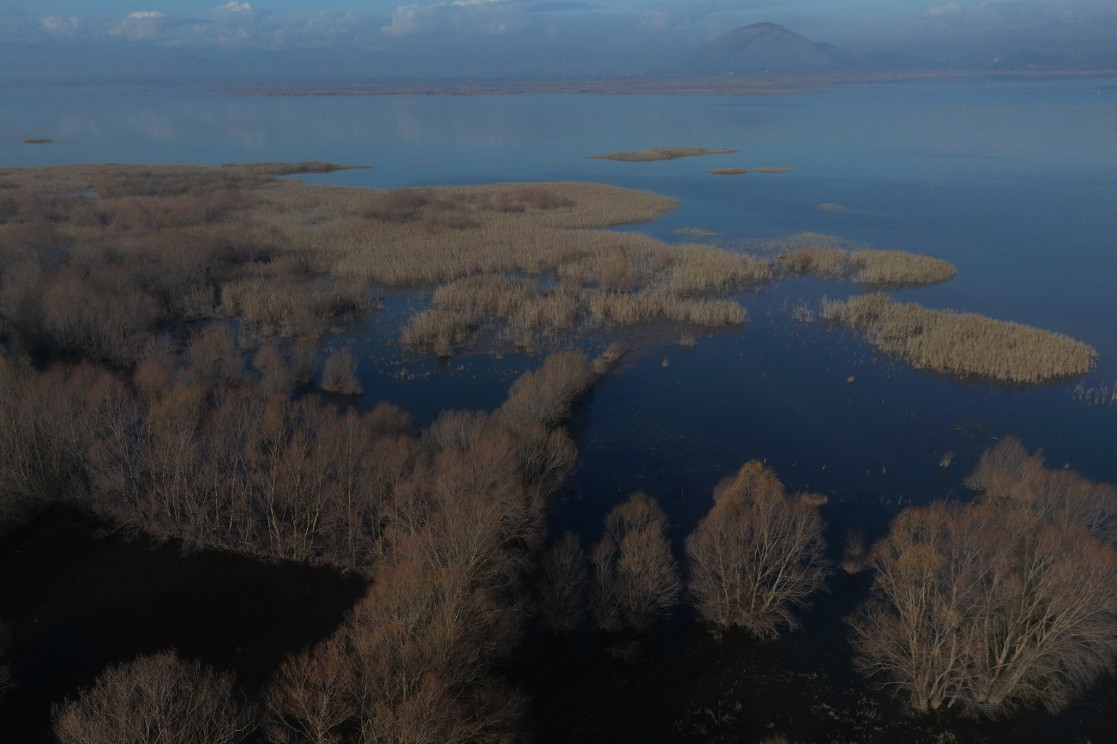
She notes that the Shkodra Lake Biosphere Region hosts a remarkable mosaic of ecosystems—ranging from the lake, rivers, deltas, wetlands and lagoons to coastal sands, forests and subalpine pastures. “Together, they form striking landscapes rich in biodiversity and endowed with ecological, economic and recreational value. Within the Reserve, 25 habitat types listed in Annex I of the European Habitats Directive have been identified, five of which are recognised as priority habitats,” Marika says. She stresses that the designation of the Albanian part of the Shkodra Lake watershed as a UNESCO Biosphere Reserve will serve as a unifying framework in which conservation and development are harmonised—protecting biodiversity and cultural values, strengthening sustainable livelihoods and promoting rural development, while creating space for scientific research, education and capacity building.
According to the Albanian Minister of Environment, the designation of Shkodra Lake as a Transboundary Biosphere Reserve within UNESCO’s “Man and the Biosphere” Programme represents a joint institutional commitment by Albania and Montenegro to protect natural heritage of exceptional value and to advance sustainable development objectives. “This process strengthens transboundary cooperation and creates a sustainable framework for integrated ecosystem management, biodiversity conservation, active involvement of local communities and compliance with international environmental standards, contributing to the long-term environmental, social and economic sustainability of the region,” says Minister Sofjan Jaupaj.
The dossiers include the area’s rich heritage, reflected in the archaeological and cultural landscape around the lake and the region’s strategic location as a crossroads of different cultures and civilisations, including Roman, Byzantine and Ottoman. “Cultural and eco-tourism, water-based activities, gastronomic values, traditional crafts, embroidery, handmade clay pottery, knitting and wool weaving, religious feasts and harvest festivals, transhumance and the Shkodra Carnival—these rich and diverse elements, deeply rooted in local traditions and natural resources, are detailed in the dossiers,” explains Helidon Sokoli, a local archaeologist and Head of Cultural Monuments in Shkodra.
EU Delegation to Albania
He adds that fishing traditions, fishermen’s houses, quiet lakefront settings, simple wooden docks and stone piers, drying nets and anchoring boats are documented alongside 237 cultural assets in the Shkodra region, including 37 fortified settlements from the Hellenistic period. Numerous religious structures—monasteries, churches and chapels built by local rulers—are also included. Built on a 6th-century basilica in 1290, the Benedictine Church of Saints Sergius and Bacchus in Shirgj, now reduced to a single surviving wall, connects the area to Queen Helena of Anjou.
Through the nomination, Albania confirms its commitment to empowering local communities, advancing environmental governance and positioning the Shkodra Lake Basin as a national model of harmony between people and nature. Aurora Dibra, Professor of Environmental Sciences at the University of Shkodra and a member of the working group, warns that ecological problems directly affect community life. “It is essential to prevent such problems and to minimise and mitigate the negative impacts of climate change in the region. Sustainable development and sustainable land use in the Shkodra Lake area are the most effective ways to prevent environmental damage and biodiversity loss. Strong law enforcement against illegal construction and shoreline degradation is also necessary,” she says.
EU Delegation to Albania
BACKGROUND INFORMATION
The IPA Cross-Border Cooperation Programme Montenegro – Albania aims to promote good neighbourly relations, foster Union integration and contribute to social, economic and territorial development by improving the quality of life of the population in the programme cross-border area by tourism development based on cultural/natural heritage and by protecting the environment. It ensures efficient, effective, transparent and timely implementation of the cross-border cooperation programme as well as raises awareness of the programme amongst national, regional and local communities and, in general, the population in the eligible programme area. The programme works on environment protection, climate change adaptation and mitigation, risk prevention and management and the cross-border territory is more environmentally sustainable and resilient.