
Press Statement: European Parliament Delegation Resumes Interparliamentary Meetings in China
(Original publication: link)
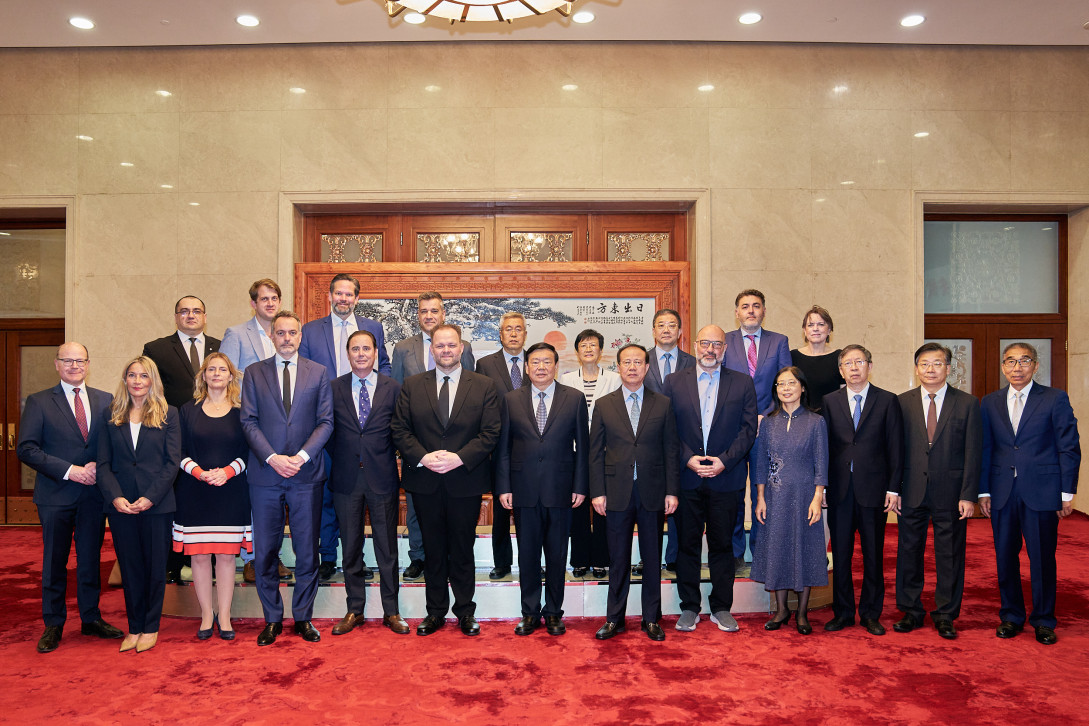
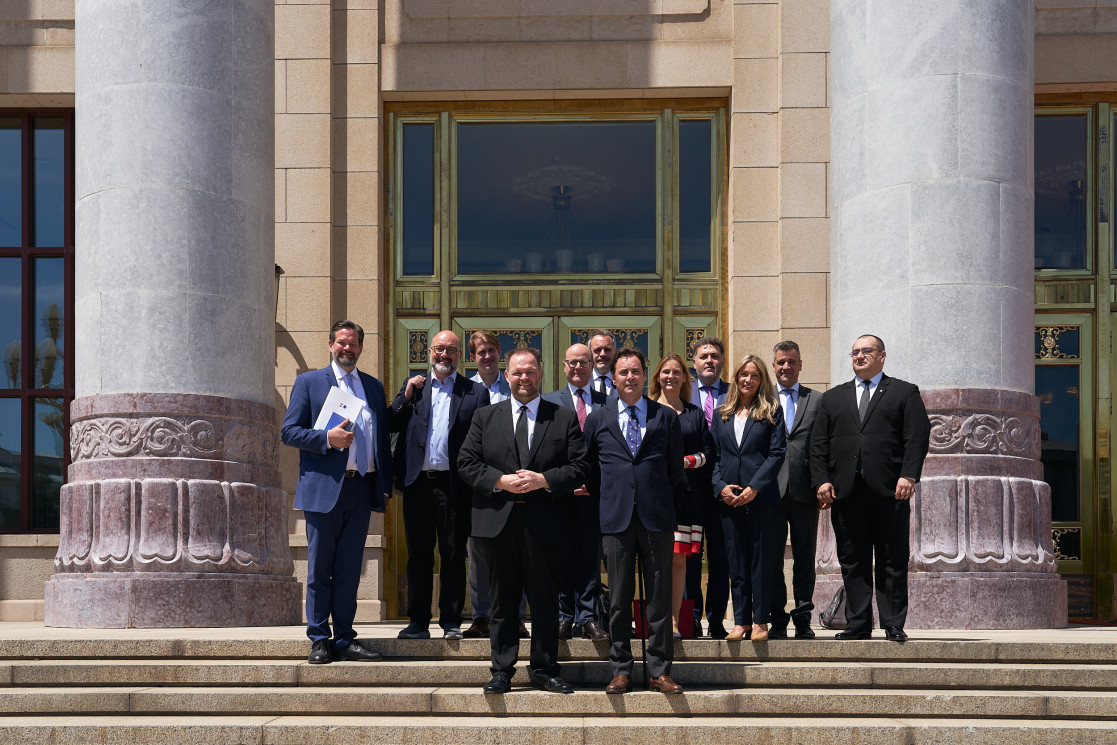
Today, May 28, 2026, European Parliament's Delegation for relations with the People's Republic of China (D-CN) held its first Interparliamentary Meeting in China since the Chinese government lifted its restrictions on the European Parliament in 2025.
The exchange took place against the backdrop of a complex and evolving bilateral relationship, driven by growing tensions in our economic and trade relations, Russia's war against Ukraine, and China's deteriorating human rights situation. Both sides engaged in a frank discussion spanning trade, bilateral political relations, and pressing regional and global issues. The European delegation also raised specific human rights cases.
While international developments have heightened challenges and insecurities--particularly regarding global peace and stability in Ukraine, the Middle East, as well as escalating trade conflicts and open questions about the future of global governance--the EP side stressed that constructive, predictable, and rules-based behaviour remains the preferred path to resolving conflict. However, the delegation emphasized that this requires a shared factual understanding of these problems as a baseline. This includes recognizing the illegality of the Russian war of aggression against Ukraine, addressing concerns over industrial overcapacity, confronting the securitization of the economy and the weaponization of dependencies, and upholding the universality of human rights.
The European Parliament delegation reaffirmed its interest in pursuing constructive engagement with China but stressed that achieving progress and breakthroughs in key areas of the trade relationship has become increasingly difficult. Consequently, the EU will be compelled to take unilateral actions to protect its own interests against the distortionary effects of China's industrial policy, state-subsidized overcapacity, and new domestic regulations pertaining to supply chain security. In this regard, the EP-side sees the 15th Five-Year-Plan as a continuation and intensification of existing trends in China's industrial policy, which is a reason for concern. Furthermore, China's close relationship with Vladimir Putin's regime in Russia and its stance on the war in Ukraine remain major irritants, preventing the establishment of trust and reinforcing the perception of China as a systemic rival.
MEPs raised a number of concerns regarding the human rights situation in China, including the recently announced Chinese law on Ethnic Unity and Progress. The delegation specifically raised the cases of EU-Sakharov laureate Ilham Tohti, Hong Kong publisher Jimmy Lai, and Swedish citizen Gui Minhai.
Delegations also discussed the technological innovation and how to use it to advance the society and address the challenges of demographic structure.
The European side emphasized that peace and stability in the Taiwan Strait are vital to the interests of both the EU and the world, stressing that the EU rejects any unilateral change to the status quo, particularly through force or coercion.
Both sides also discussed areas where the EU and China share global responsibilities and opportunities for cooperation, such as climate change, environmental protection as well as upholding international law and multilateral world order.
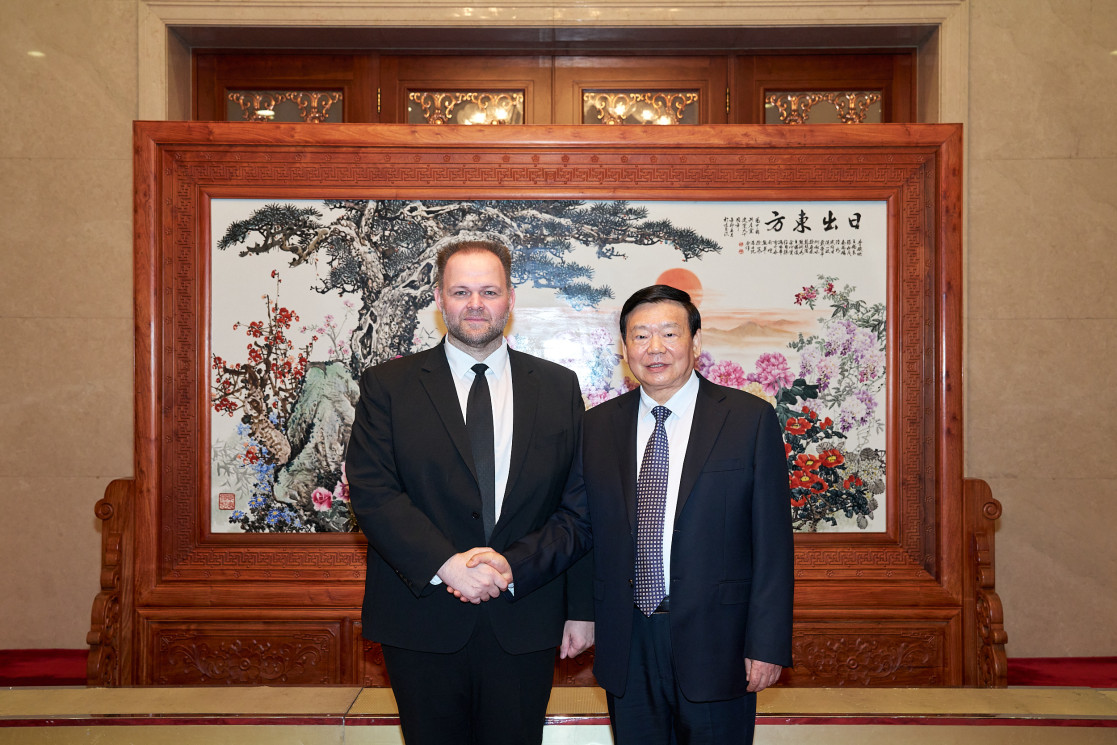
The IPM was closed with banquet hosted by Lou Qinjian, the Chair of the NPC Foreign Affairs Committee.
The D-CN endeavours to uphold and develop dialogue and contact with the Chinese side, notwithstanding deep differences and thanks the Chinese hosts for the smooth organisation and friendly reception. Both sides agreed to continue these exchanges next year.
European Union, 2026
European Union, 2026