Safe agricultural trade facilitation through economic integration in the Pacific (SAFE Pacific)
Approximately 80% of people in the Pacific Islands Countries (PICs) live in rural areas and earn their livelihoods from agriculture, fishing, and forestry. Rural farmers generally have limited markets for their produce, and little access to distant markets. Processing and value-adding can enhance market access, especially if products can be processed locally and transported to local markets or exported. Export activity is generally regarded as a major source of growth, particularly its catalytic effects on the rest of the economy and plays a particularly crucial role in the economic life of small PICs.
With the geographical nature of the Pacific islands, isolated from larger markets, the export costs for transportation, marketing and distribution are higher. Small island countries strain to meet international trade requirements and standards, which further limits access to markets. The SAFE Pacific project supports Pacific Island Countries to address these barriers in accessing the export market, enhancing value-added products and improving compliance with international standards. SAFE Pacific focuses on strengthening economic integration in the region, which will have positive impacts leading to improved livelihoods for communities, creation of jobs and reduction in poverty.
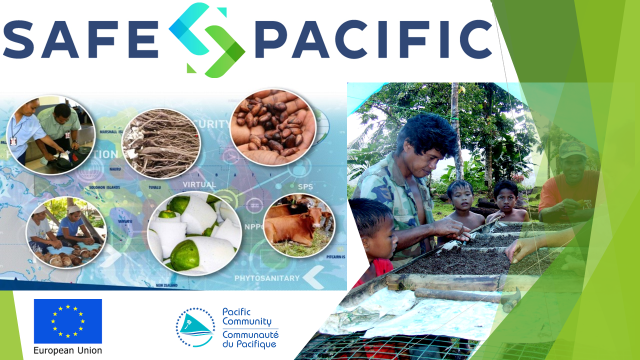
In addition, emphasis will be laid on strategic sustainable agri-value chains (coconut, kava, coffee and turmeric). Training, technical assistance and direct support (grants) will be provided to Micro, Small, and Medium Enterprises (MSME) to improve production, access to new markets niche and reach international stands, including certifications.