A home away from home – the EU supports refugee integration into host communities in Kenya
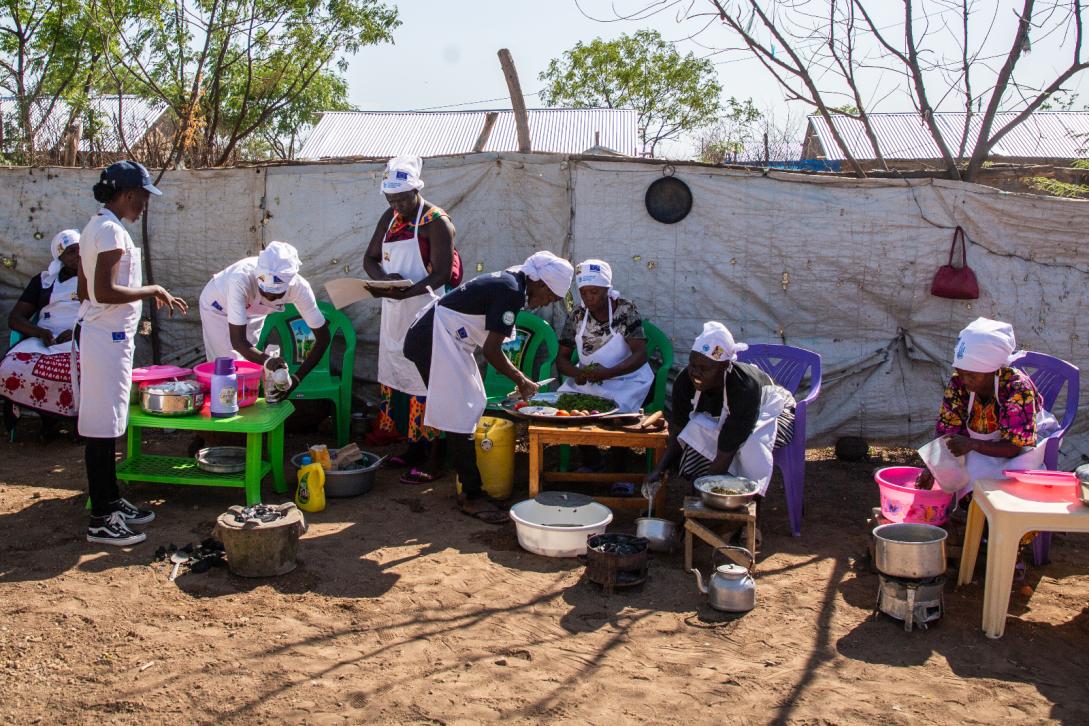
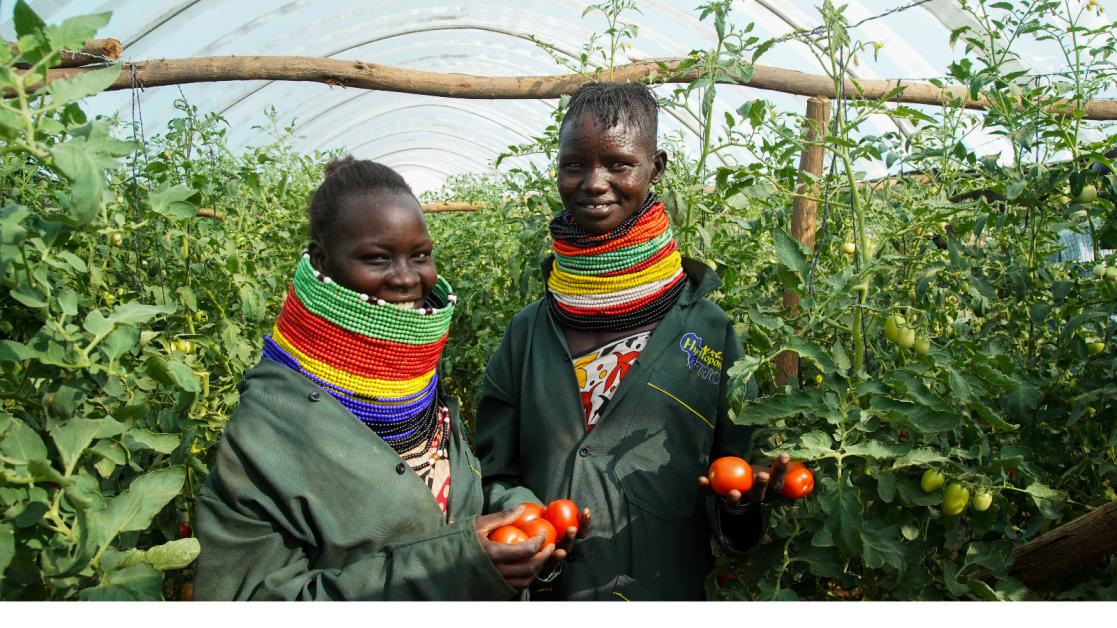
This year’s World Refugee Day is focusing on inclusion and the importance of ensuring refugees are integrated into host communities under the theme ‘a home away from home’. There are various ways of including refugees in the countries where they have found safety from conflict or persecution. In Kenya, the Government has recently committed to improving refugee integration in moving away from a camp based approach and towards the establishment of integrated settlements.
FAO/Vincent Tremeau
Recognising these efforts, the EU has been providing significant funding for refugees and host communities in Kenya. With a total contribution of EUR 82 million since 2016, including new programmes starting this year, the EU’s overarching objective is to foster an environment in which communities affected by displacement participate in socio-economic inclusion and self-reliance.
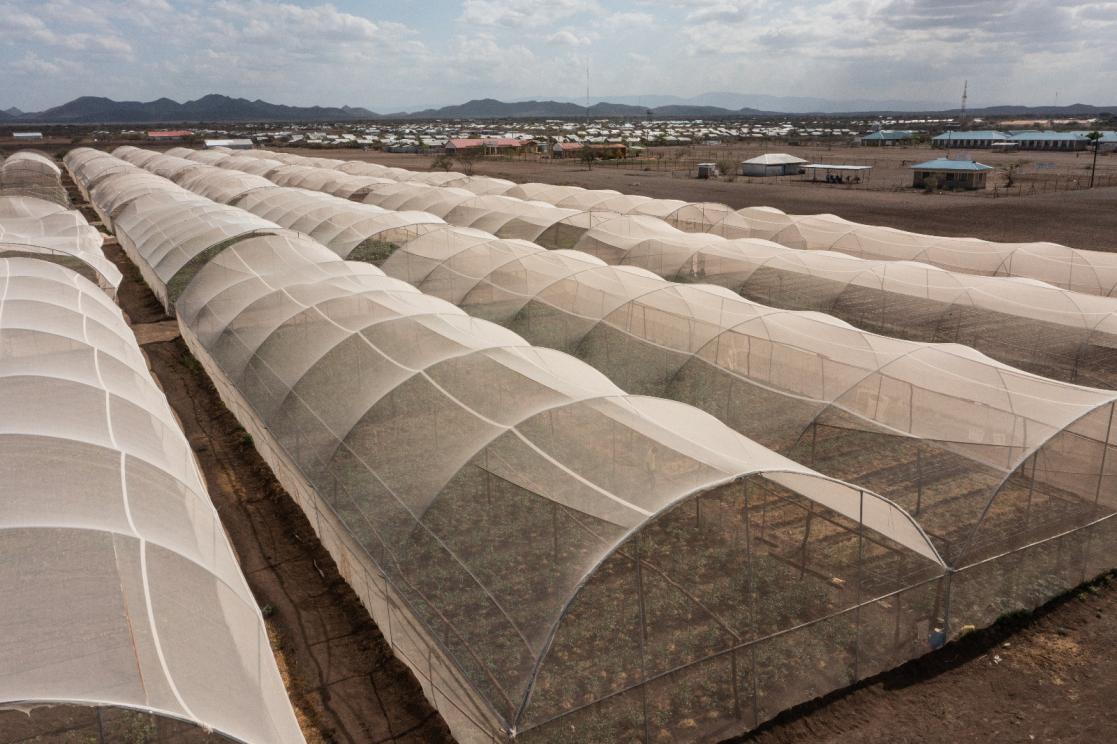
For example, the EU has provided substantial support to the innovative Kalobeyei settlement in Turkana County which provides services to both refugees and their hosts and was the first development-focused scheme implemented in Kenya. During the first phase of support (EUR 15 million), the EU worked on health, agriculture and irrigation, education, child protection, livelihoods and self-reliance and community engagement and coordination.
FAO/ Vincent Tremeau
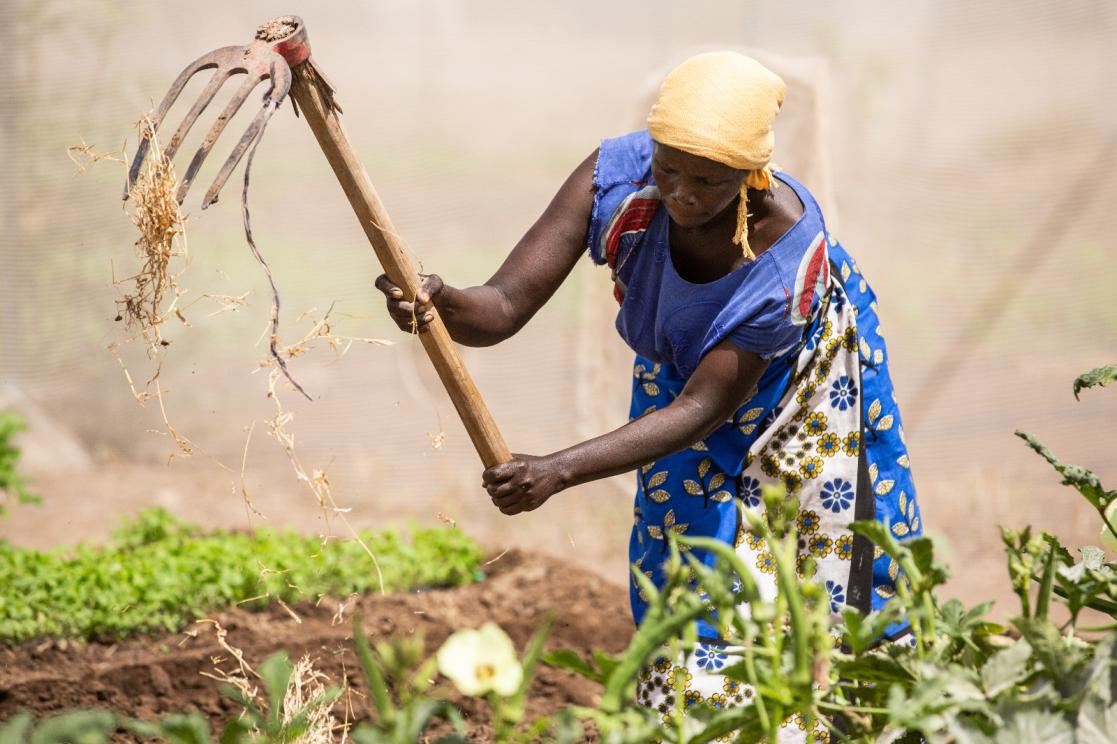
The second phase started in early 2020 and also covers the Dadaab camps. The programme, implemented by UNHCR, FAO, WFP, UN-Habitat, DRC, NRC and ITC, continued investments in the agricultural sector, infrastructure, education, health and employment creation, with the EU contribution amounting to EUR 33 million. The focus has been on infrastructure development, support to increased household ability to access safe and nutritious food through own production, income from agribusiness, trade and from the market and enhanced employability and self-employment capacity of refugees and local communities in and around Dadaab. For example, EU funding supported the construction and refurbishment of primary and secondary schools, a road and the maternity wing in a hospital, the refurbishment of Kakuma’s Biashara Centre – One Stop Shop and TVET centres in Dadaab, as well as the establishment of horticultural farms, water pans and fruit and vegetable markets in Kalobeyei settlement.
FAO/ Vincent Tremeau
The EU also contributes EUR 5.85 million to the Kakuma-Kalobeyei Challenge Fund managed by the International Finance Corporation, which aims to support and attract private sector to Turkana West (2020-2025) and has already invested in 41 businesses
In total, the EU has supported over 67,000 people to develop income generating activities and created or supported nearly 2,500 jobs. In addition around 20,500 people received vocational training or skills development including 8000 refugees. Nearly one thousand medium or small enterprises were created or supported. Around 127,000 people had improved access to basic social benefits through services and transfers, the vast majority refugees.
FAO/ Vincent Tremeau
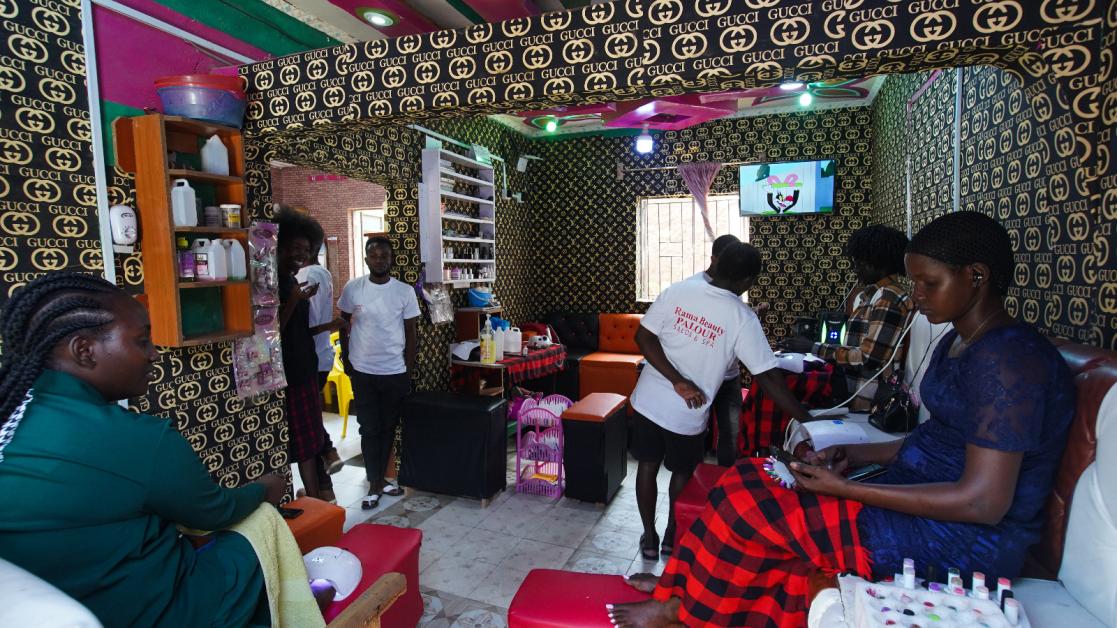
One of the beneficiaries, Farhiya Mohamed Abdi, fled the conflict in Somalia in 2008 as a child and came to Kenya’s Dagahaley refugee camp and worked to support her family which now includes her three children..
After some basic training, she undertook a higher level tailoring training funded by ABLI-G and after graduating successfully applied for grant support for micro entrepreneurs. She now does sewing jobs for the community at an EU-funded Business Incubation Centre in Dagahaley and hopes for a grant to set up her own tailoring shop in the market.
The EU looks forward to continue supporting refugees such as Farhiya in making Kenya a home away from home and allowing them to provide for themselves and their families in dignity.