
EU and Mongolia Strengthen Cooperation on Forests, Land Restoration and Sustainable Finance at COP17

Ulaanbaatar — The 17th session of the Conference of the Parties to the United Nations Convention to Combat Desertification (UNCCD COP17), held in Ulaanbaatar from 17 to 28 August, provided an important platform for the European Union and Mongolia to deepen cooperation on sustainable land management, forest restoration, climate resilience and innovative finance.
COP17 Mongolia
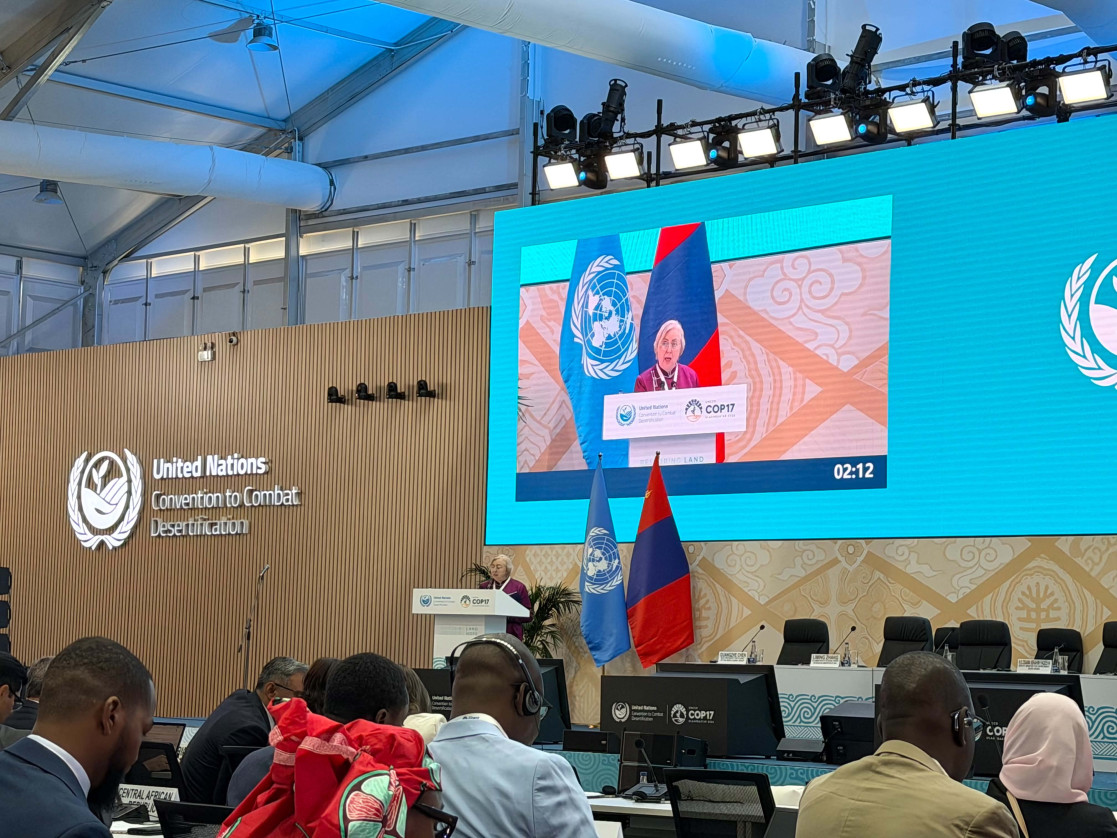
EU Member States Present a United Voice at UNCCD COP17
EU Member States highlighted the shared challenges posed by desertification and drought, calling for stronger synergies between the international processes on land, biodiversity and climate. Throughout the negotiations, the EU underlined its role as a strong supporter of multilateralism, diplomacy and consensus-building.
Mongolia Launches Major Green Financing Partnership
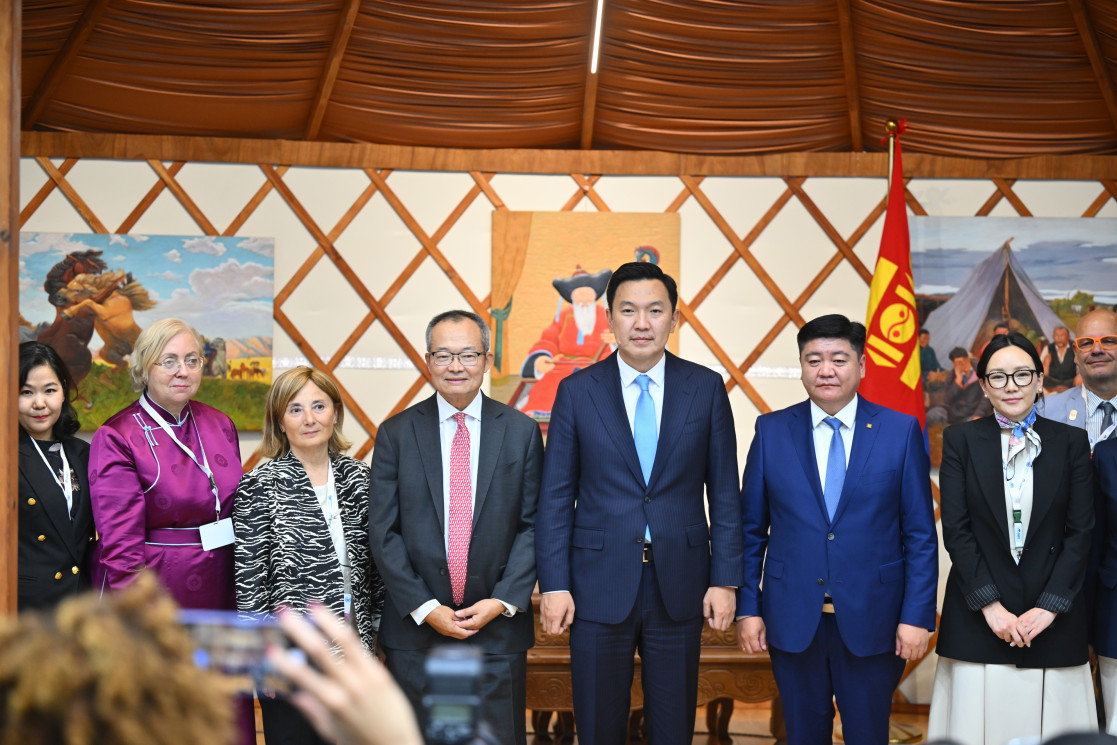
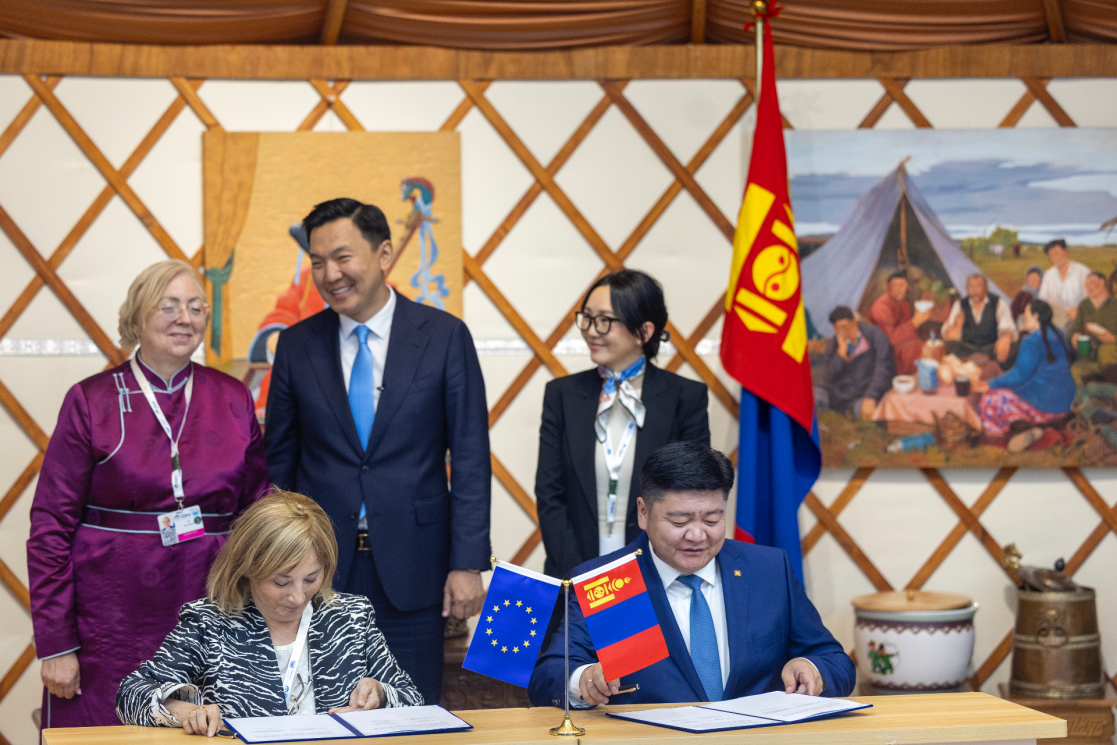
A key milestone came on 24 August with the signing of a Letter of Intent between the European Investment Bank (EIB) and the Government of Mongolia on potential financing of up to EUR 100 million to support sustainable forestry. The financing would back the protection, restoration and sustainable management of Mongolia’s forests, while improving access to finance for small and medium-sized enterprises. It is expected to be complemented by up to EUR 19 million in additional EU grant and guarantee support, including EUR 10 million for technical assistance. Any financing remains subject to EIB’s internal assessment and due diligence.
The Letter of Intent builds on a longstanding EU-Mongolia Forest Partnership, dating back to 2022, and subsequent agreements signed under the EU’s Global Gateway framework.
COP17 Mongolia
COP17 Mongolia
EU and UNDP Support Mongolia’s Sustainable Finance Framework
On 20 August, Mongolia launched its SDG Finance Taxonomy Version 2.0, supported by the EU Sustainable Finance Advisory Hub and implemented by UNDP. The update introduces science-based Technical Screening Criteria that give policymakers, financial institutions and businesses a common basis to identify sustainable investments — strengthening transparency and reducing the risk of greenwashing, and helping channel financing toward priorities such as renewable energy, sustainable agriculture and land restoration.

COP17 Mongolia
Strengthening Partnerships for Forest Restoration
On 21 August, a side event on “Investment Mobilization and Partnerships for Forest Ecosystem Restoration” brought together government institutions, development partners and the private sector to discuss financing for Mongolia’s Billion Trees National Movement and innovative mechanisms such as forest carbon credits — underscoring the need for diverse, coordinated finance to support long-term forest sector development.

COP17 Mongolia

COP17 Mongolia
Financing for Forests (F4F) Project Launched in Mongolia
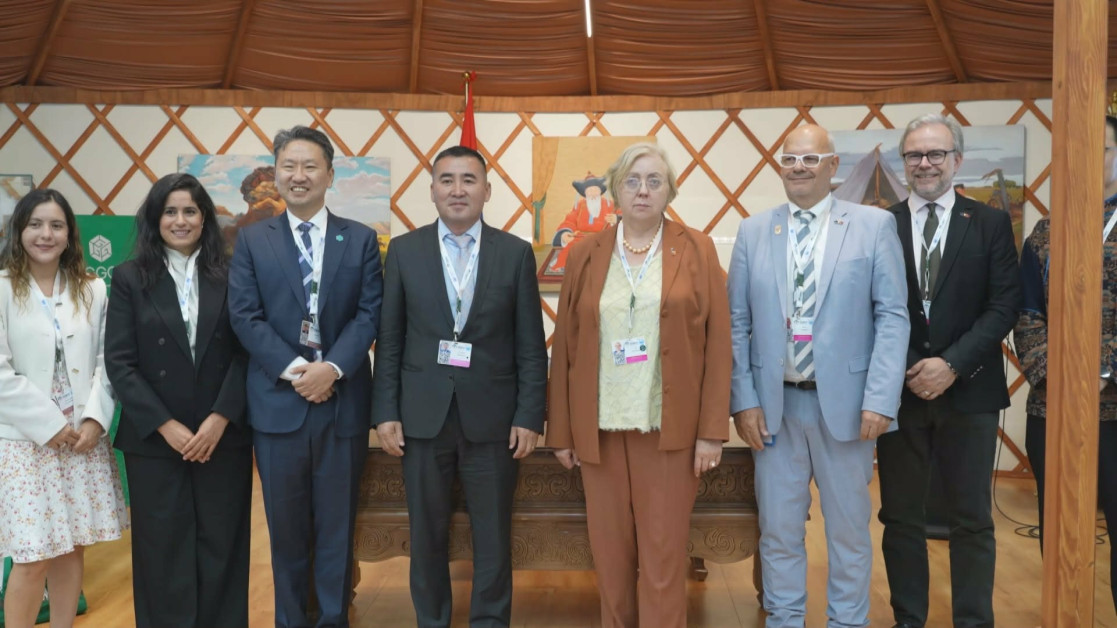
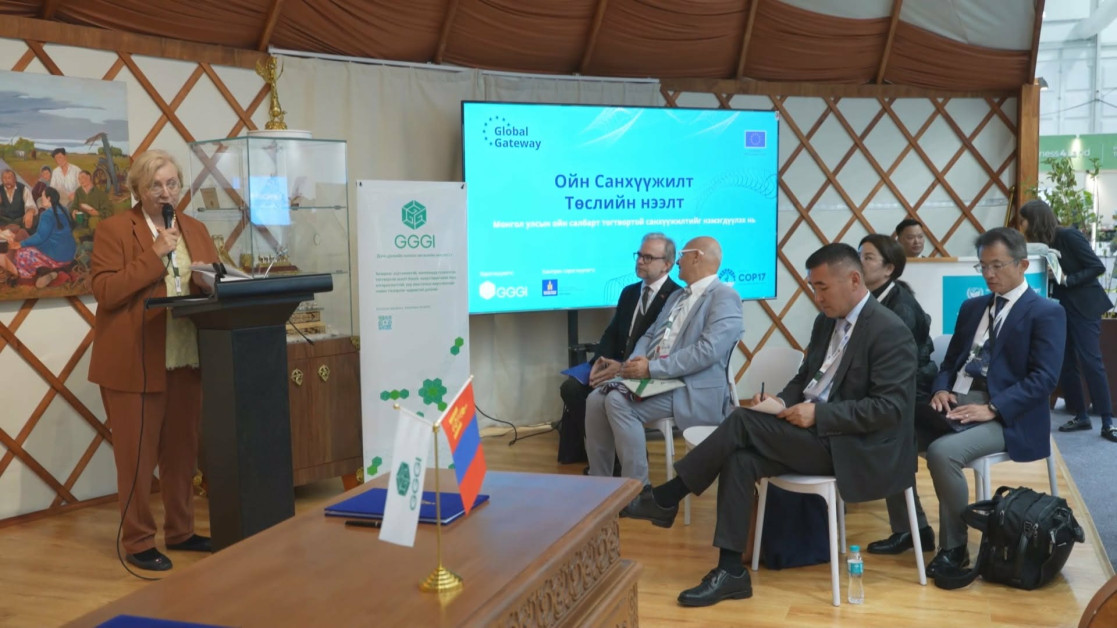
The EU-supported, GGGI-implemented Financing for Forests (F4F) project was officially launched at COP17, alongside a new Memorandum of Understanding between the National Forest Agency and GGGI. The project will develop results-based and blended finance solutions to address key barriers to investment in Mongolia’s forest sector.
COP17 Mongolia
COP17 Mongolia
EU Highlights Innovative Finance for Land and Drought Resilience
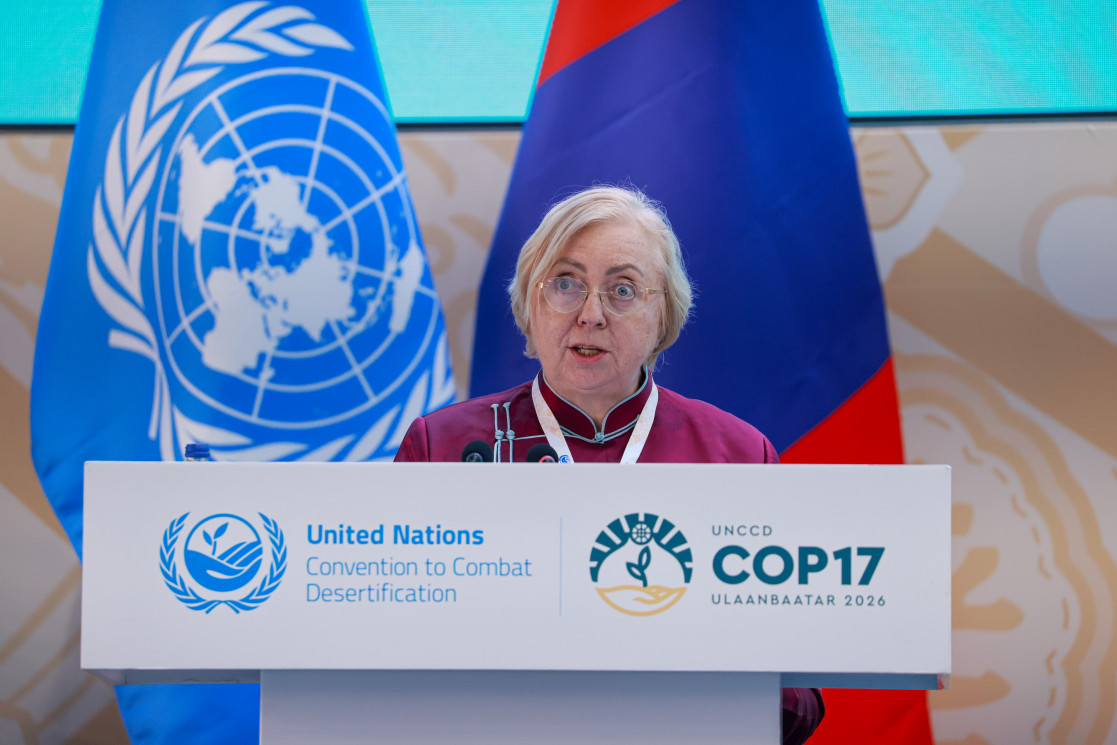
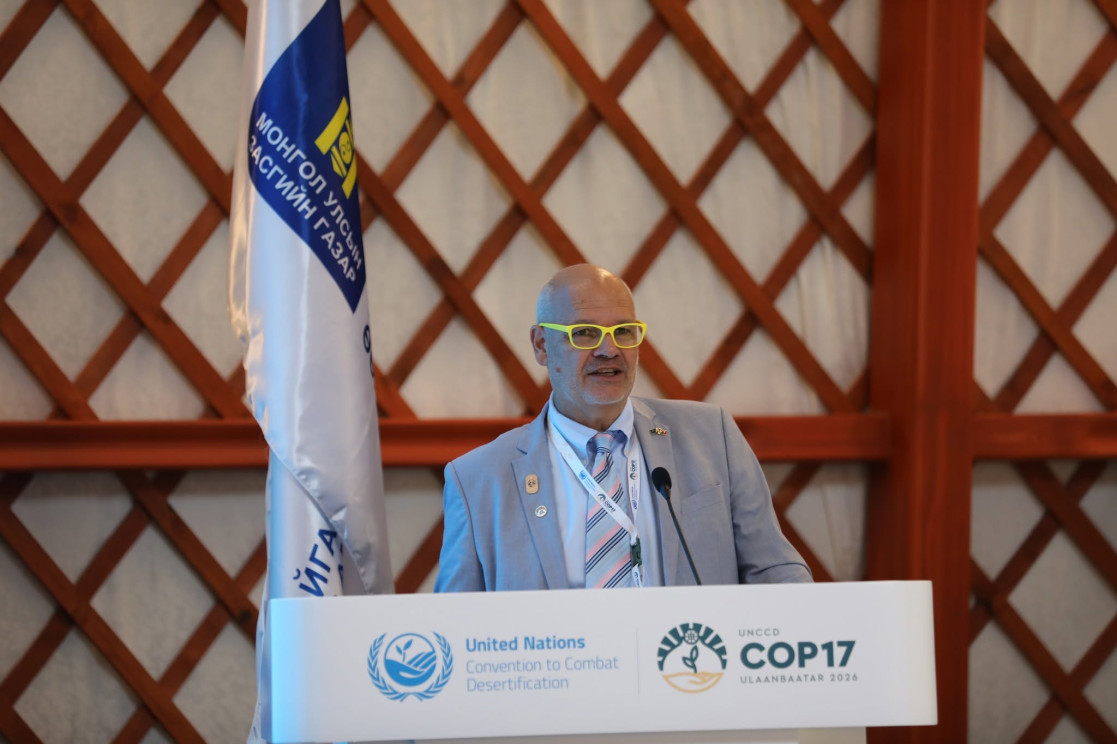
On 24 August, at the High-Level Ministerial Dialogue on Innovative Financial Mechanisms, the EU shared its experience using grants, blending and guarantees to support land management and drought resilience, and presented Thrivelands, a new EUR 20 million EU-funded programme for the restoration of drylands. At the Business4Land Forum the same day, the EU underlined the importance of unlocking investment in drylands, which support the livelihoods of one in three people worldwide.
COP17 Mongolia
COP17 Mongolia
COP17 Mongolia
EU Broadens Visibility Beyond the Negotiating Rooms
The EU co-financed a Pavilion dedicated to the Great Green Wall and marked the final segment of its EU Women Negotiators Training. The EU also financed a new UNEP report on a global drought resilience capacity index, launched alongside a white paper addressing the USD 278 billion annual financing gap for sustainable dryland management — reinforcing the EU’s effort to raise both political and financial attention for the world’s drylands.
Team Europe Delivers Throughout COP17’s Second Week
Building on the EIB Letter of Intent, EU Member States reinforced the collective push on land and drought resilience: Luxembourg launched its Drought Resilience Investment Facility, and Germany announced the second phase of its CompensActions initiative. European private-sector engagement was also notable, with an LVMH event on sustainable cashmere sourcing in Mongolia drawing record attendance.
Civil Society Participation
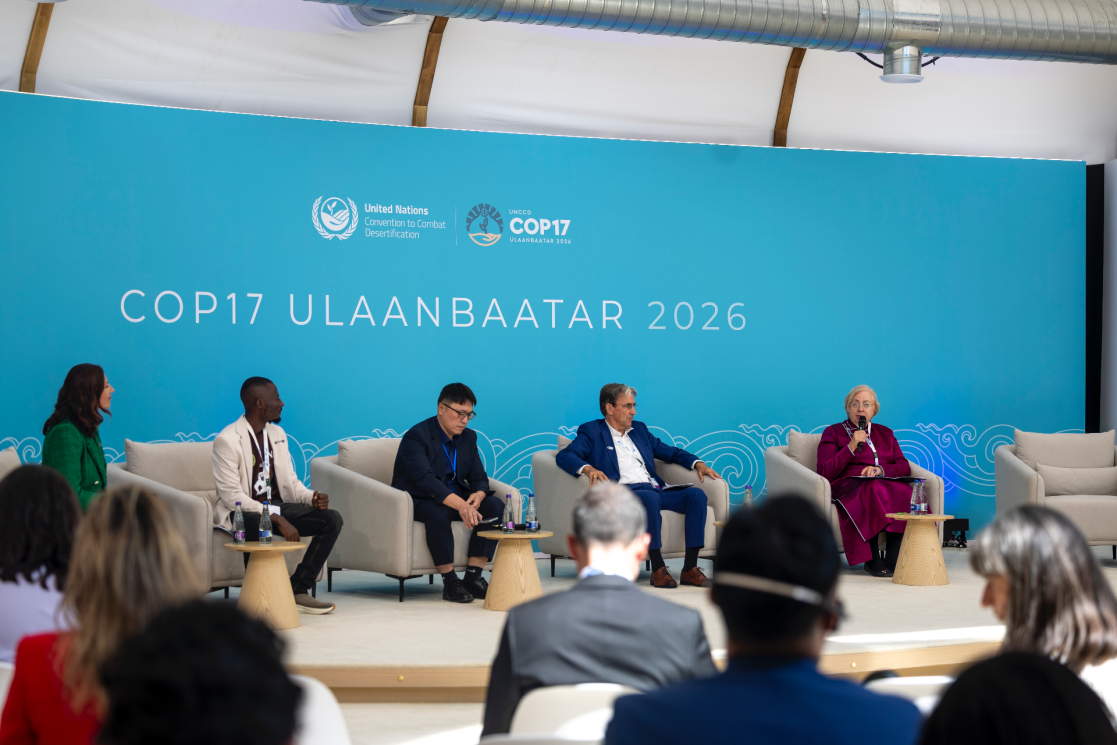
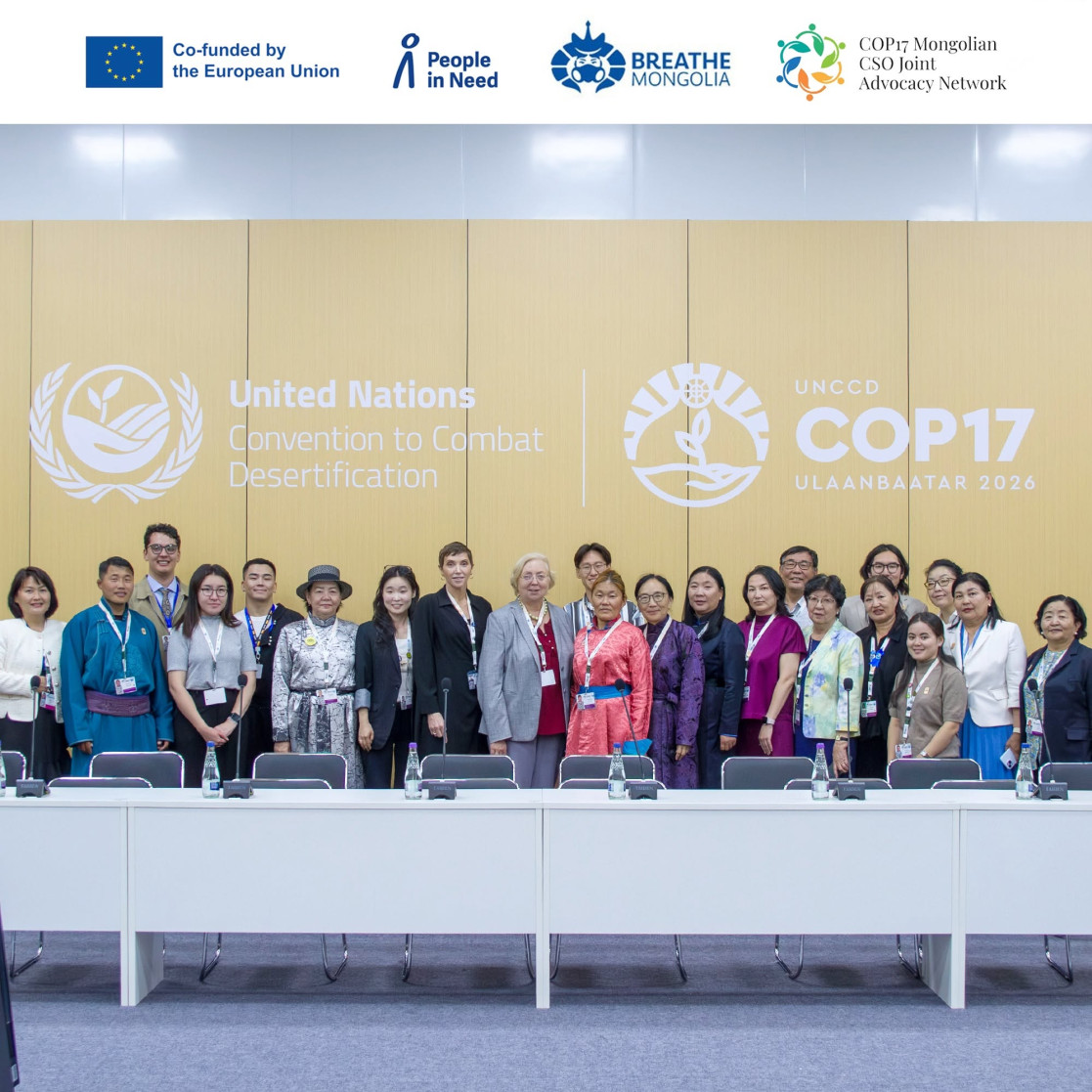
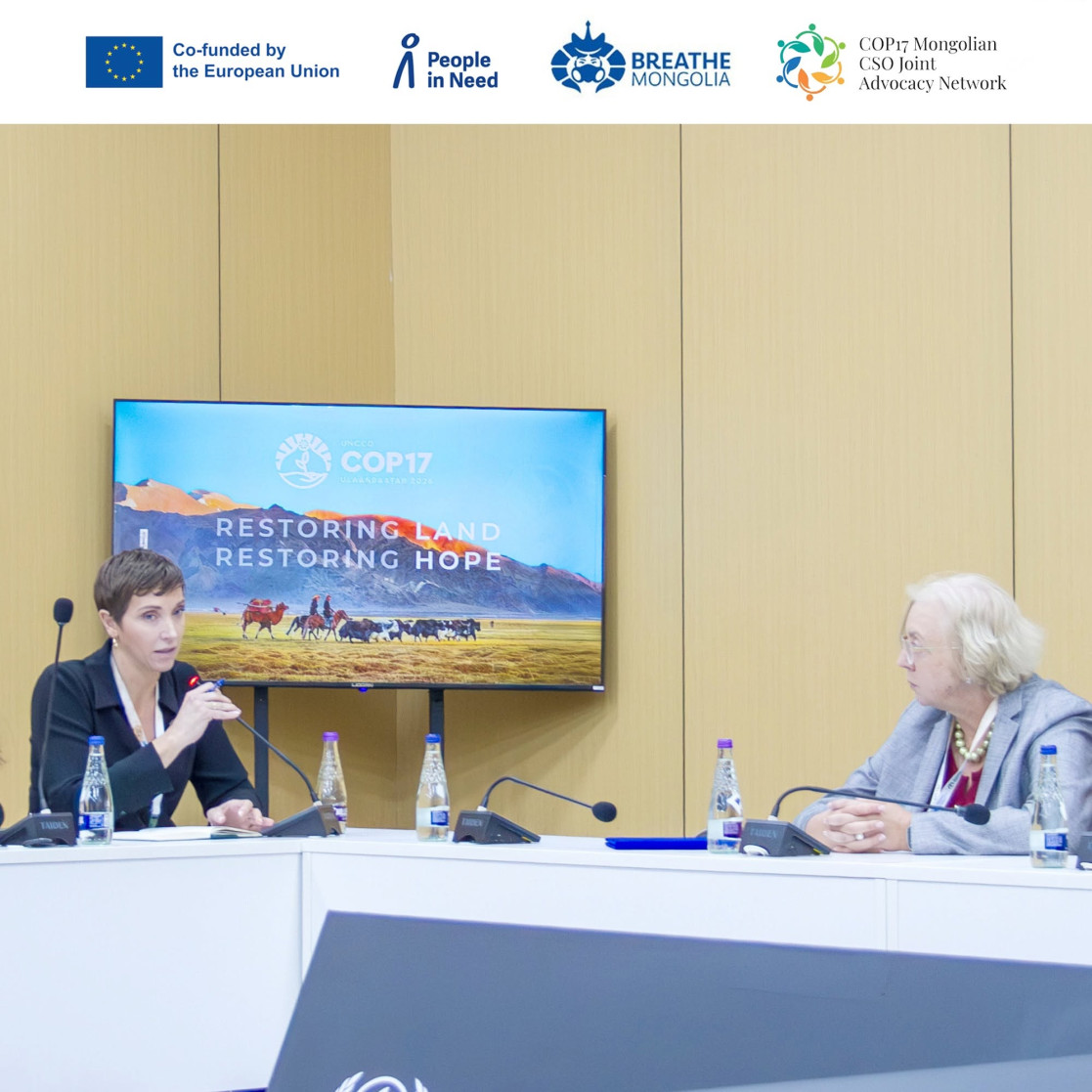
A high-level panel on the role of civil society in driving UNCCD and UNFCCC synergies brought together more than 120 participants from government, civil society, herder communities and youth. Co-organised under the EU-funded Twin Transition project, the discussion explored how civil society can bridge global commitments and local implementation, concluding with the handover of the Mongolian Civil Society Joint Advocacy Statement to Vice-Minister Munkhtamir Batbayar.
COP17 Mongolia
COP17 Mongolia
From COP17 Commitments to Long-Term Partnership
The EU’s engagement at COP17 reflects a broader EU-Mongolia partnership translating shared commitments on climate and sustainable development into practical cooperation. For Mongolia, where forests and grasslands are essential to environmental resilience and livelihoods, mobilising international finance and partnerships remains critical to long-term restoration — turning investment into action for healthier land and a more sustainable future.
COP17 Mongolia