
Further EU initiatives to promote the inclusion of students with disabilities into mainstream schools
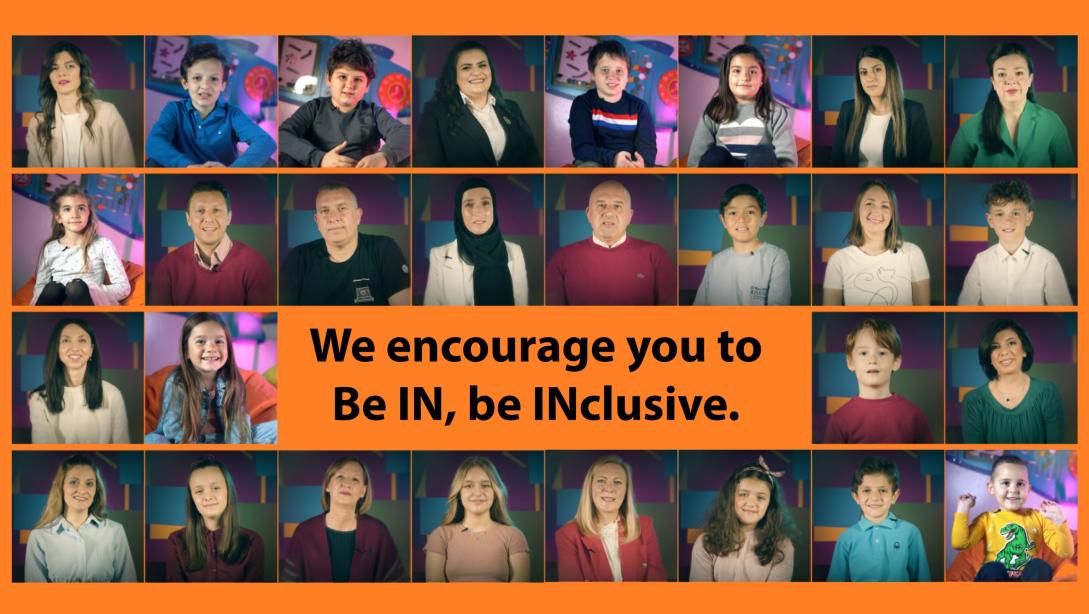
J. and D. are sisters, fourth-graders with Down syndrome. They are among the 470 pupils with disabilities who receive scholarships under the EU-funded project “Be IN, be INclusive, be INcluded". These monthly allowances come in handy helping families to cover the private costs of schooling, such as school supplies and specialised equipment, as well as the costs of therapy and transportation.
“The scholarships are very important. They help our family economy and we use them to make sure our children are educated. We thank the project for being part of our family“, says F.S. their father.
Financial support for the families is only one of the benefits of EU assistance. The project has adopted a holistic approach in its efforts to promote inclusive education in public schools. This includes ensuring individual tutoring of students with disabilities, providing training courses for school inclusion teams and education assistants, as well as grants for schools to improve accessibility for children with disabilities and improve the learning environment. These activities go hand-in-hand with public awareness raising campaigns.
187 schools are working with the project. Of these, so far, 36 have transformed part of their facilities into inclusive learning environments. They include the so-called inclusive playgrounds (https://youtu.be/P3FT9pxvqZs) and sensory rooms (https://www.youtube.com/watch?v=DjDKgrV5W1A)
The project team remains ambitious in their efforts to create a teaching and learning environment in which every child reaches their potential.
“In the coming period, we will focus on making sure that the voices of our beneficiaries are heard by local and national stakeholders. That will help the education community to develop accessible and quality teaching and learning practices - together with greater accountability for the education of all children with disabilities", says Elena Mishikj, team leader of the “Be IN, be INclusive, be INcluded" project.