
Maria’s farm in Rankovce: caring for animals, people’s well-being, and - with EU help - for environment

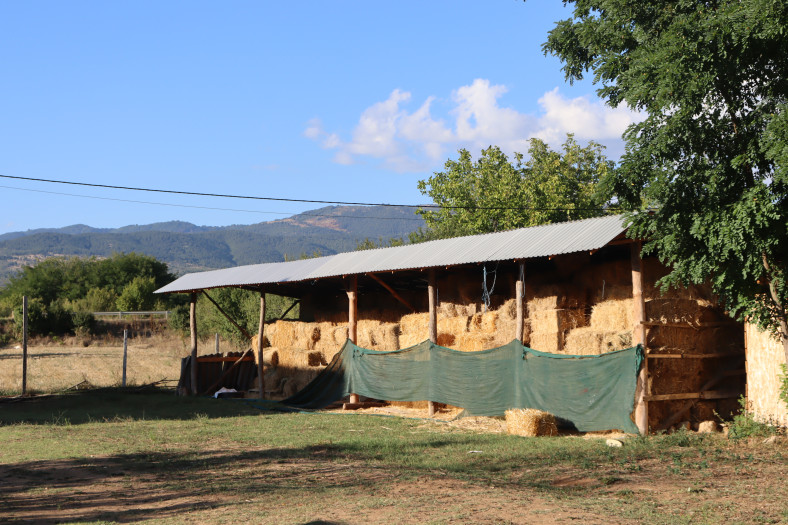
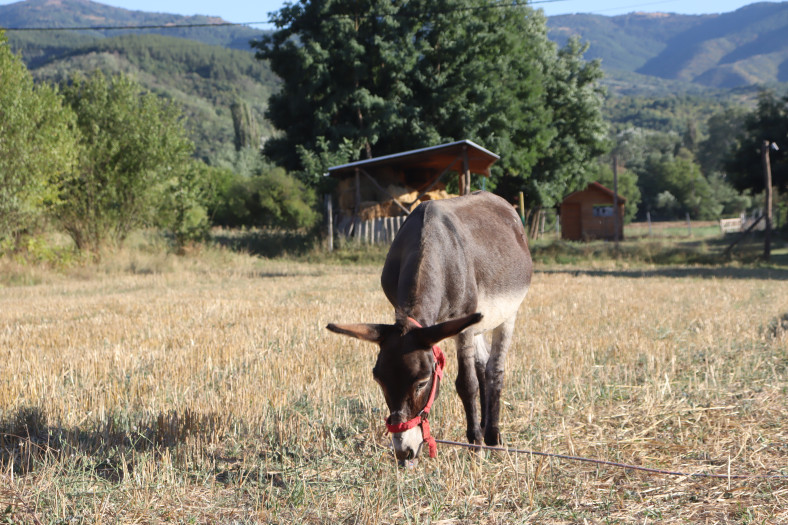
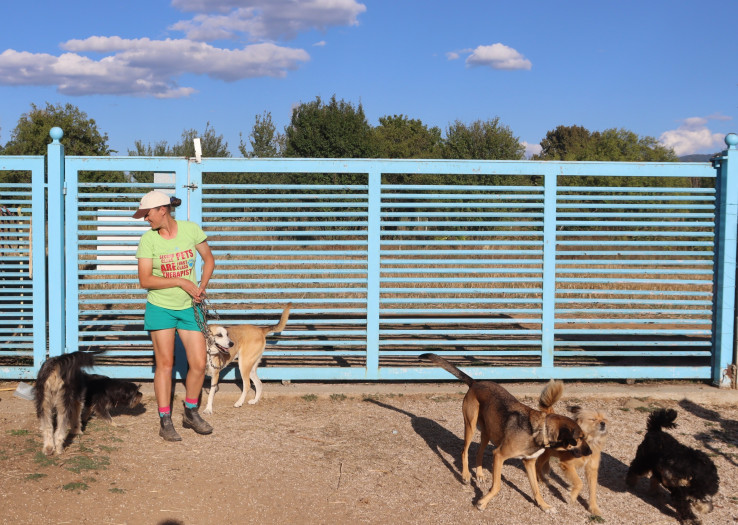
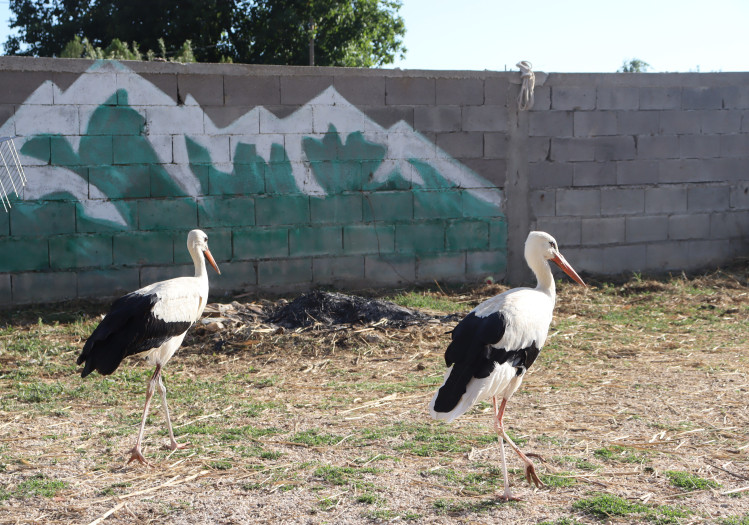
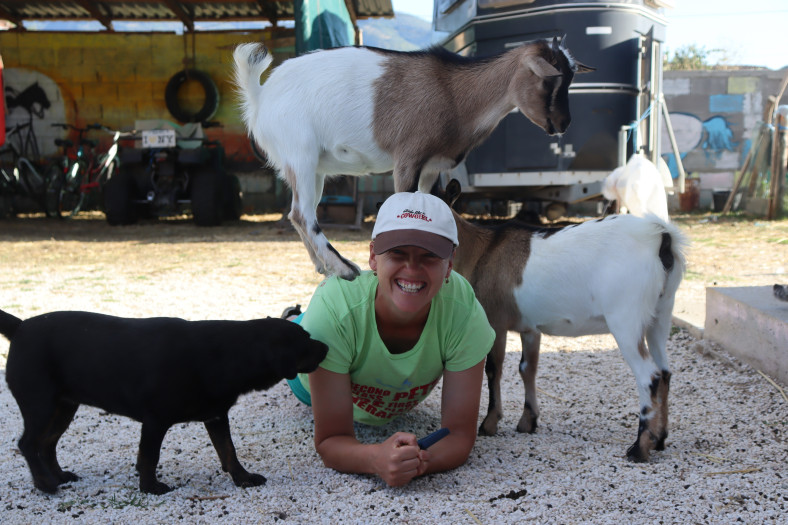
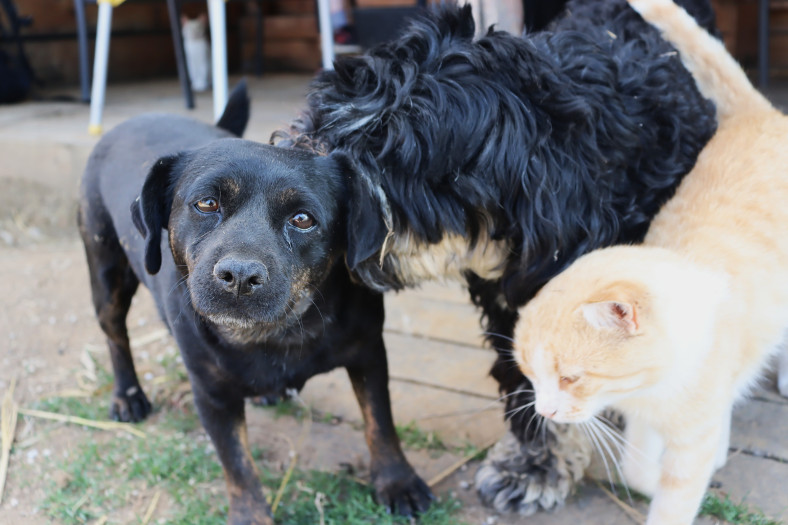
Maria’s farm in Rankovce is an extraordinary place. Over 60 animals – horses, donkeys, goats, storks, dogs and cats, most of them rescued – roam around. Well-taken care of by Maria, the animals welcome visitors and help them reconnect with nature, bringing them health benefits. And they are only part of the hundreds of animals whose lives Maria managed to save.
Born in Kriva Palanka and educated in Skopje, Maria spent 14 years in New York. And then she decided to return to her homeland – and to settle in the countryside.
‘I wanted to give back to the community here. In the US, I volunteered in hippotherapy (a treatment using the rhythmic movement of a horse to improve neurological and physical functioning in patients with motor, sensory, or mental impairments). I got valuable experience in working with people facing psychological problems or visual impairment. And I wanted to show people here that animals have power to help’, Maria says.
Because Maria’s mission is to support local community, she established the very first non-governmental organisation in Rankovce. Pink Support organises events and workshops for local women and single parents, hippotherapy sessions, and digital detox retreats.
Maria is about to upgrade the sustainability of her farm with the help from an EU-funded project. The ‘Civil Society and Youth for Inclusive and Sustainable Development through Circular Economy in North Macedonia’ project, helped her, through a training course, to turn her idea to reuse the organic waste from the farm to create organic pellets for the animals into a proper plan. And gave her a grant to put it into practice.
“Civil society actors are key in both humanitarian response and development programming. We are empowering them with skills, resources, and networks to fulfil their role. We are privileged to cooperate with people like Maria and contribute to enhancing circular economy practices in North Macedonia”, says Sunchica Kostovska-Petrovska from People in Need, the organisation that leads the project.
Maria's farm in Rankovce
-
Image
People in Need
-
Image
People in Need
-
Image
People in Need
-
Image
People in Need
-
Image
People in Need
-
Image
People in Need