
European Union supports Sri Lanka’s circular economy transition through education and innovation
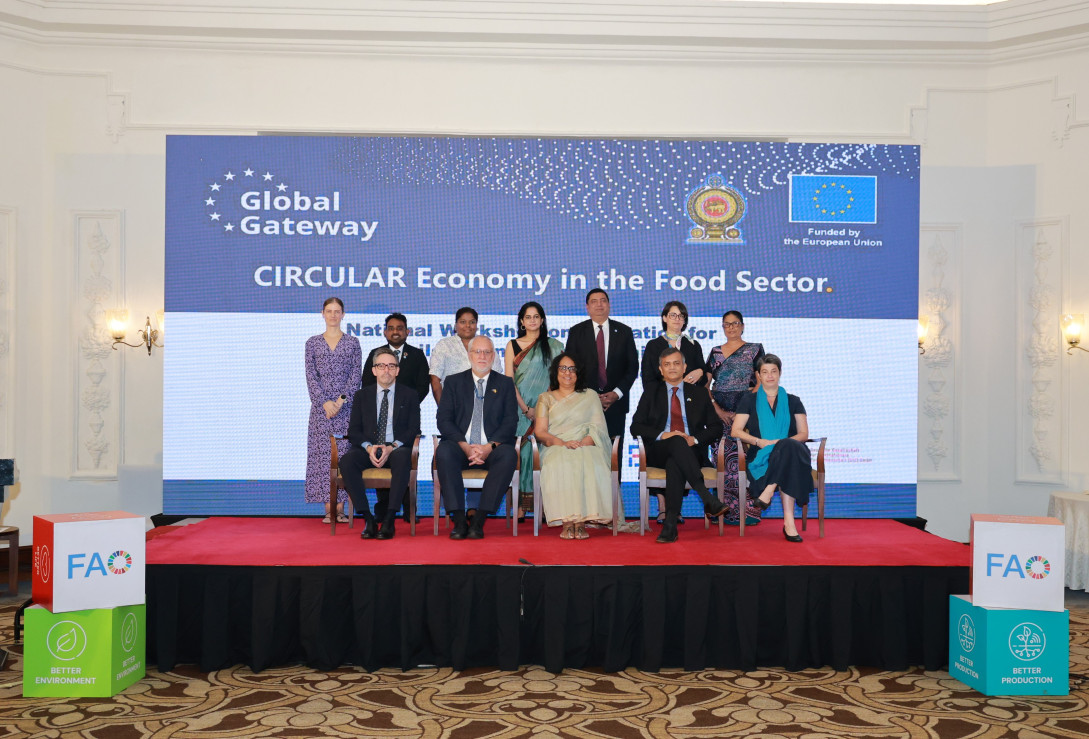
The European Union-funded CIRCULAR Programme, implemented together with the Government of Sri Lanka, Expertise France, the Food and Agriculture Organization (FAO) and Deutsche Gesellschaft für Internationale Zusammenarbeit (GIZ) and partly co-funded by the German Federal Ministry for Economic Cooperation and Development (BMZ), launched a round of discussions to integrate circular economy principles into national education system.
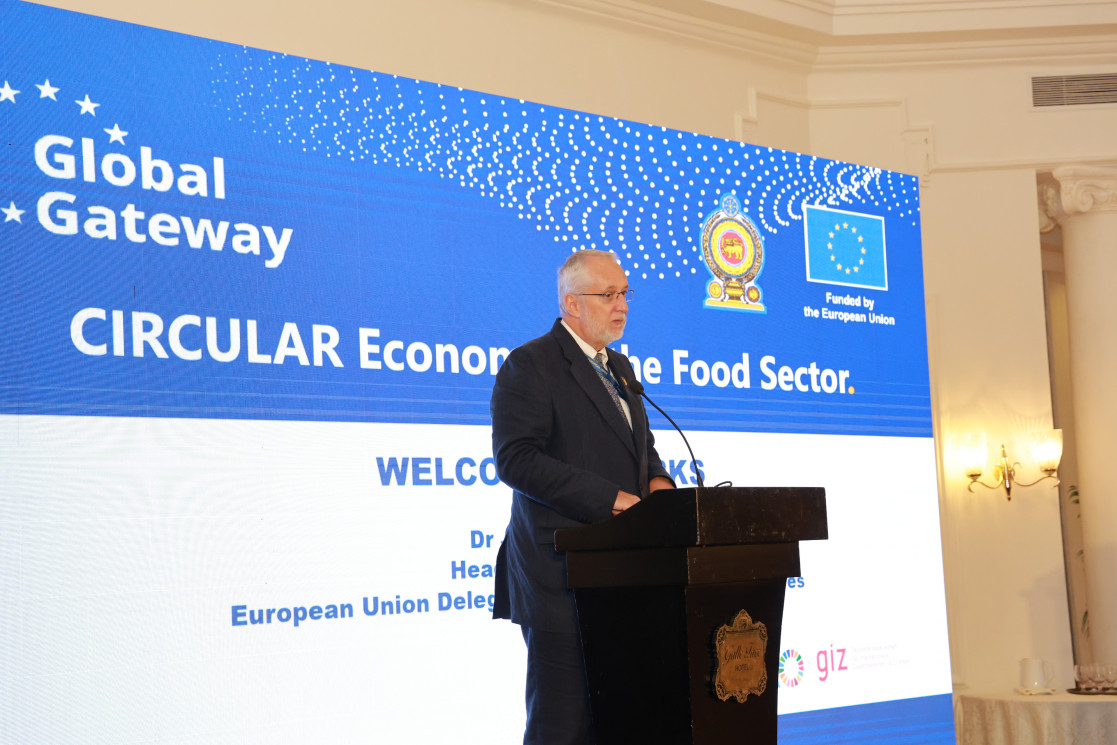
The National Workshop on Education brought key stakeholders together to shape how education can drive the development of strong, locally rooted circular economies. This included representatives from education departments at national, provincial and district levels, curriculum institutions, civil society organisations and international partners.
FAO/Sri Lanka
The evidence generated during the workshop will guide future decisions on possible curriculum integration, policy development, and capacity building. It will ensure that circular economy education in Sri Lanka moves beyond vision and becomes a concrete, practical, scalable reality, that delivers measurable impact across schools, communities and the wider economy.
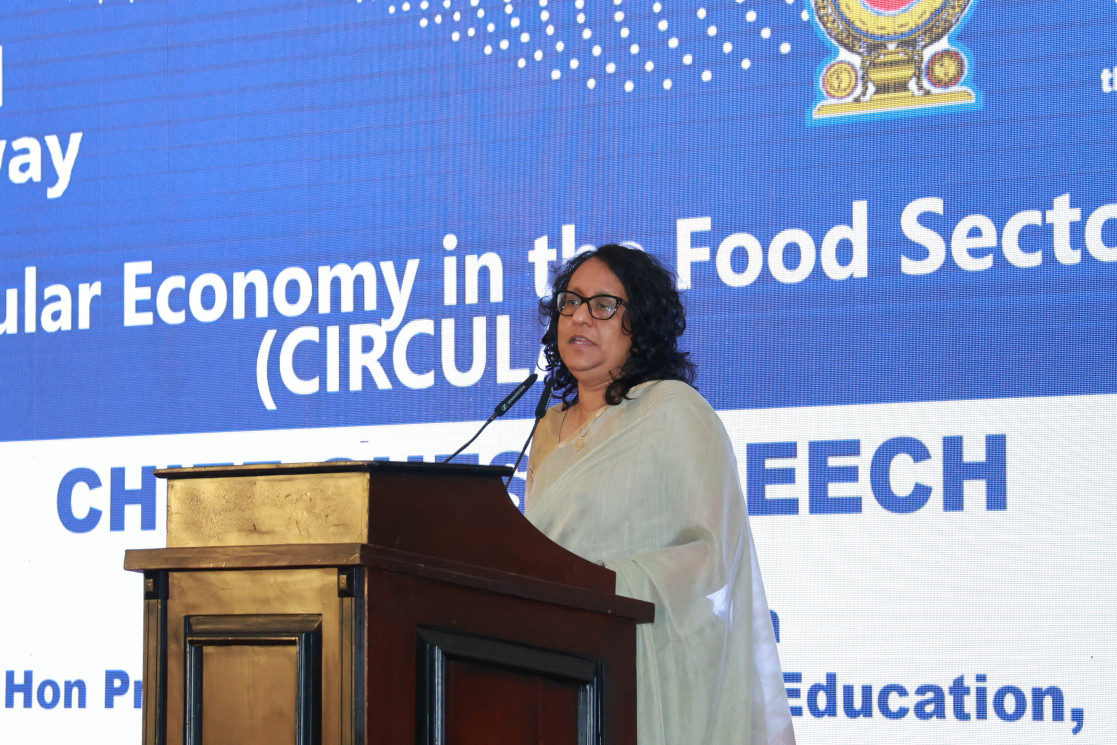
The Prime Minister, H.E Dr Harini Amarasuriya, in her capacity as the Minster of Education, stressed that an educated society, grounded in civic responsibility with care for the environment, has transformative potential.
FAO/Sri Lanka