
The EU Response to the Refugee Crisis in Türkiye
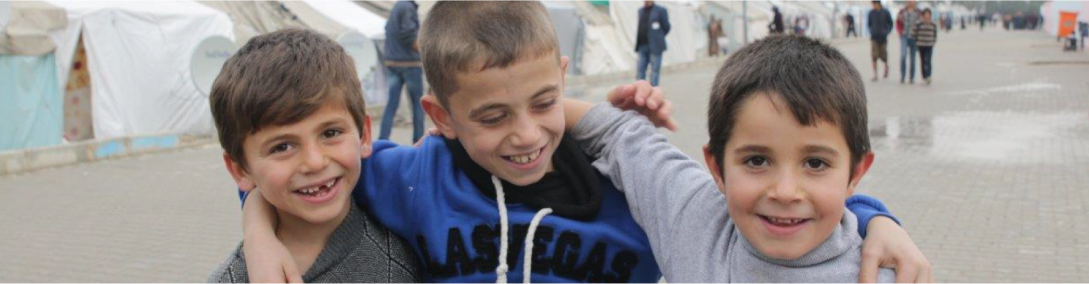
How is the EU supporting refugees in Türkiye?
Background
Following the change of government in Syria on December 8, 2024, there was a noticeable improvement in the country’s security situation. This shift led many Syrian refugees living abroad, particularly in Türkiye, to reconsider returning to their homeland. In response to this development, the Government of Türkiye (GoT) introduced a range of policies designed to support the return process, ensuring that it was voluntary, safe, dignified, and well-organized. One key initiative was the authorization of "go-and-see" visits during the first half of 2025 which concluded by the end of June 2025. These visits allowed Syrian refugees to travel temporarily to their hometowns in Syria, giving them the opportunity to evaluate the living conditions and safety firsthand before making a decision about permanent return. As a result of these efforts, by early April 2026, more than 600,000 Syrian refugees had made the journey back from Türkiye to Syria, reflecting the impact of both improved security and supportive return measures.
Although voluntary returns to Syria are ongoing, the rate at which refugees are choosing to go back remains slower than originally anticipated. As a result, Türkiye continues to be home to one of the world’s largest refugee populations. This includes approximately 2.3 million Syrians under Temporary Protection, as well as around 160,000 asylum seekers from various other countries.
EU support to strengthen the integration of refugees in Türkiye
The EU and its Member States have been one of the major donors in their effort to relieve the humanitarian emergency in Syria. Since its establishment in December 2014, the EU Regional Trust Fund (EUTF) Syria, known as “Madad”, has mobilised EUR 2.38 billion allowing for crucial projects in the sectors of basic and higher education, livelihoods, health, water and sanitation (WASH), protection and social cohesion to be realized in Lebanon, Jordan and Iraq. Türkiye was also one of the beneficiaries of this funds before the establishment of an ad-hoc funding mechanism, the Facility for Refugees in Türkiye (FRIT).
In 2016, the EU and Türkiye contracted an agreement aimed at managing the refugee crisis. Under the deal, Türkiye agreed to take back all irregular migrants crossing into the Greek islands, while the EU committed to resettling Syrian refugees directly from Türkiye. As part of this agreement, the European Union committed to providing financial assistance to Türkiye to support the millions of refugees hosted within its borders. The Facility for Refugees in Türkiye (FRIT) was established as the financial mechanism to deliver this assistance. It allocated a total of €6 billion, evenly distributed in two tranches (2016-17 and 2018-2019), to fund projects aimed at improving the living conditions of refugees in Türkiye by providing essential services such as education, healthcare, and socio-economic support.
The EU continues to support refugees in Türkiye also beyond the Facility. It mobilised supplementary humanitarian support in 2020 and ensures the continuation of key Facility interventions under an additional allocation of €3 billion for the period of 2021-23. Moreover, during the 8th Syria Conference held in Brussels in May 2024, the EU pledged EUR 2,12 billion for 2024 and 2025 to support Syrians inside Syria and the neighbouring countries, with EUR 1 billion reserved for Türkiye. In the European Council Conclusions of 1 February and 18 April 2024, the EU further confirmed its commitments to the support of Syrian refugees and its strategic relation with Türkiye, by identifying these topics among the priorities to be tackled in the additional funding of EUR 1,5 billion until the year 2027.