
RewRights: Young Ugandans reimagine human rights through diplomacy
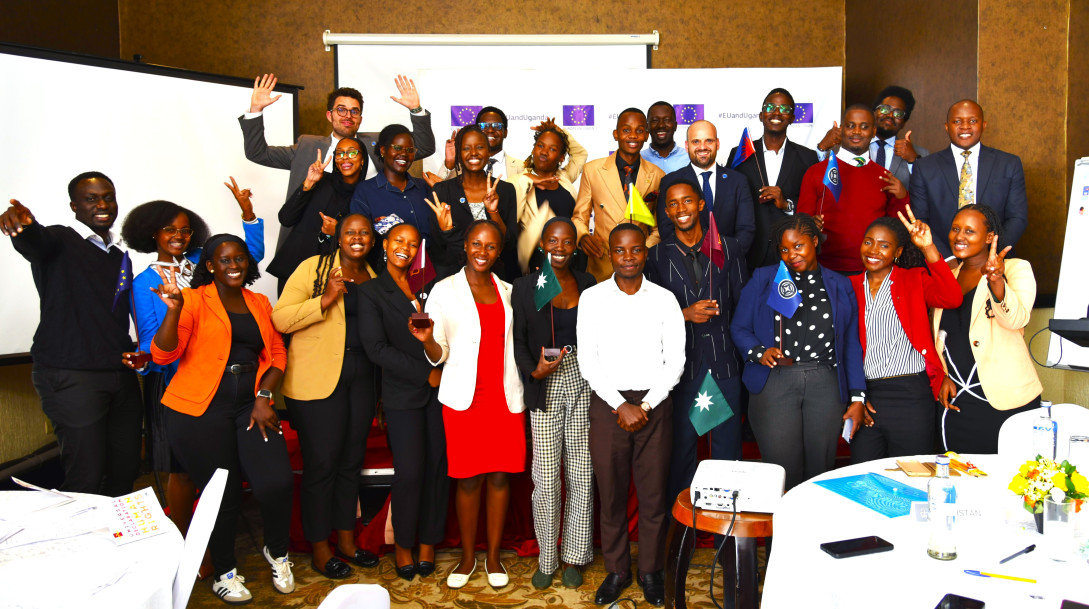
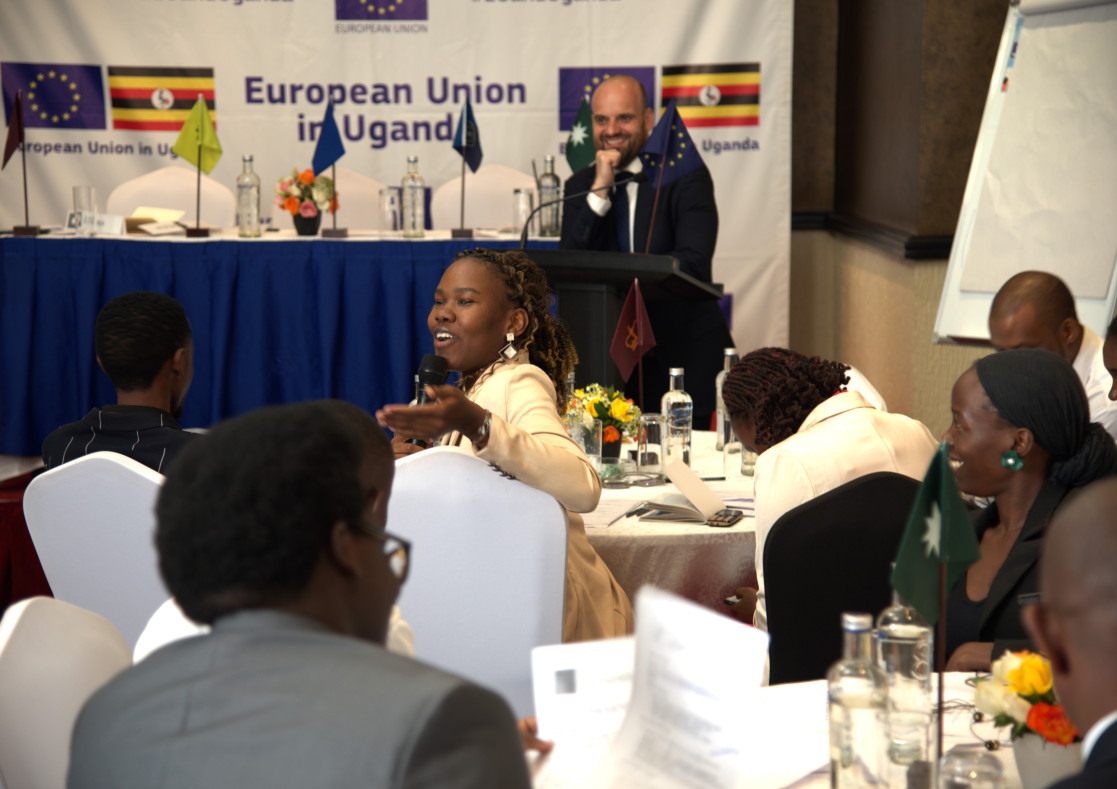
To mark Human Rights Day 2025, the EU Delegation to Uganda hosted a lively and interactive event placing young people at the heart of diplomacy and human rights advocacy.
At the center of the event was RewRights, a creative diplomatic simulation game designed by Guillaume Chartrain, EU Deputy Head of Delegation to Uganda.
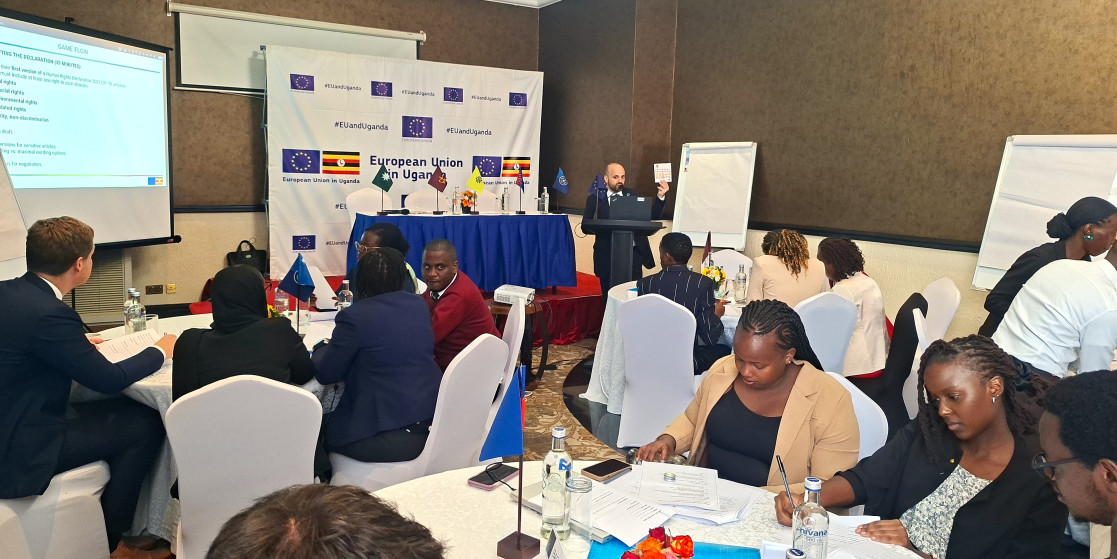
©EU Delegation to Uganda/Emmanuel Gyezaho/2025
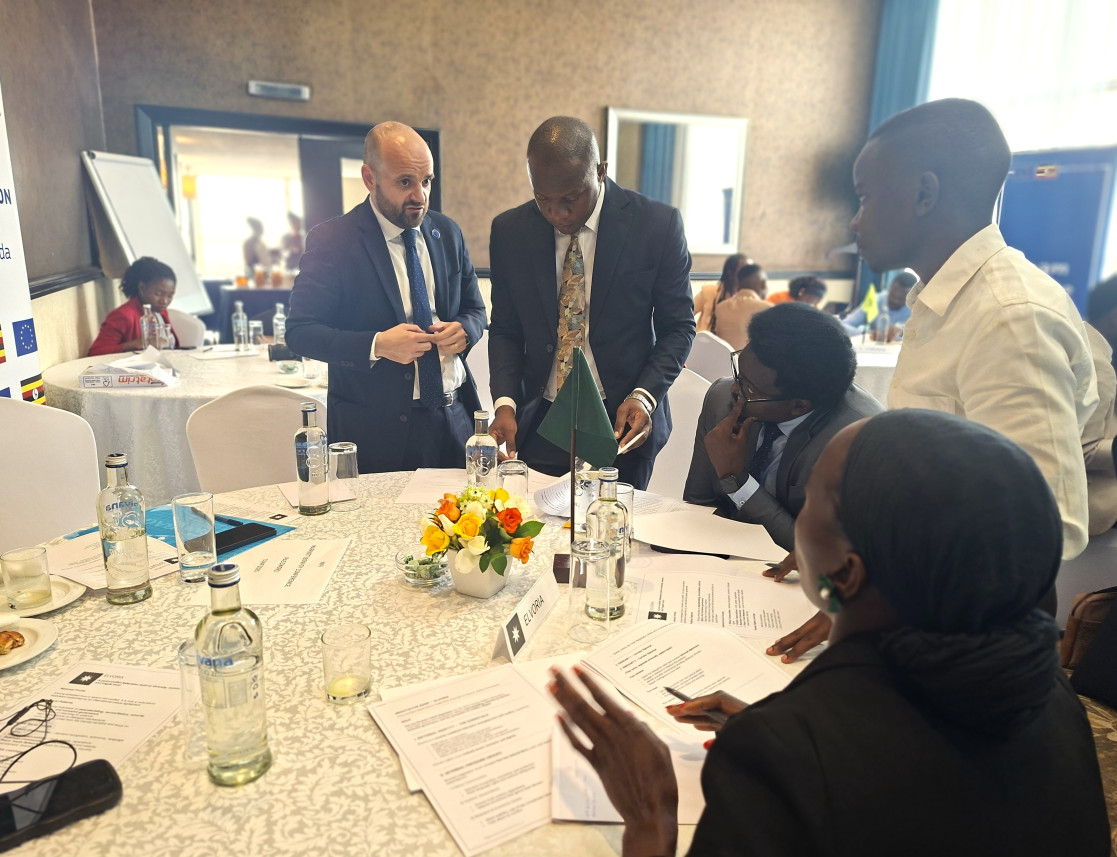
The innovative game invited 25 young Ugandans in their 20s, to step into the roles of diplomats, organized into delegations, representing five fictitious countries, with their own history, social structures and political pressure and dynamics.
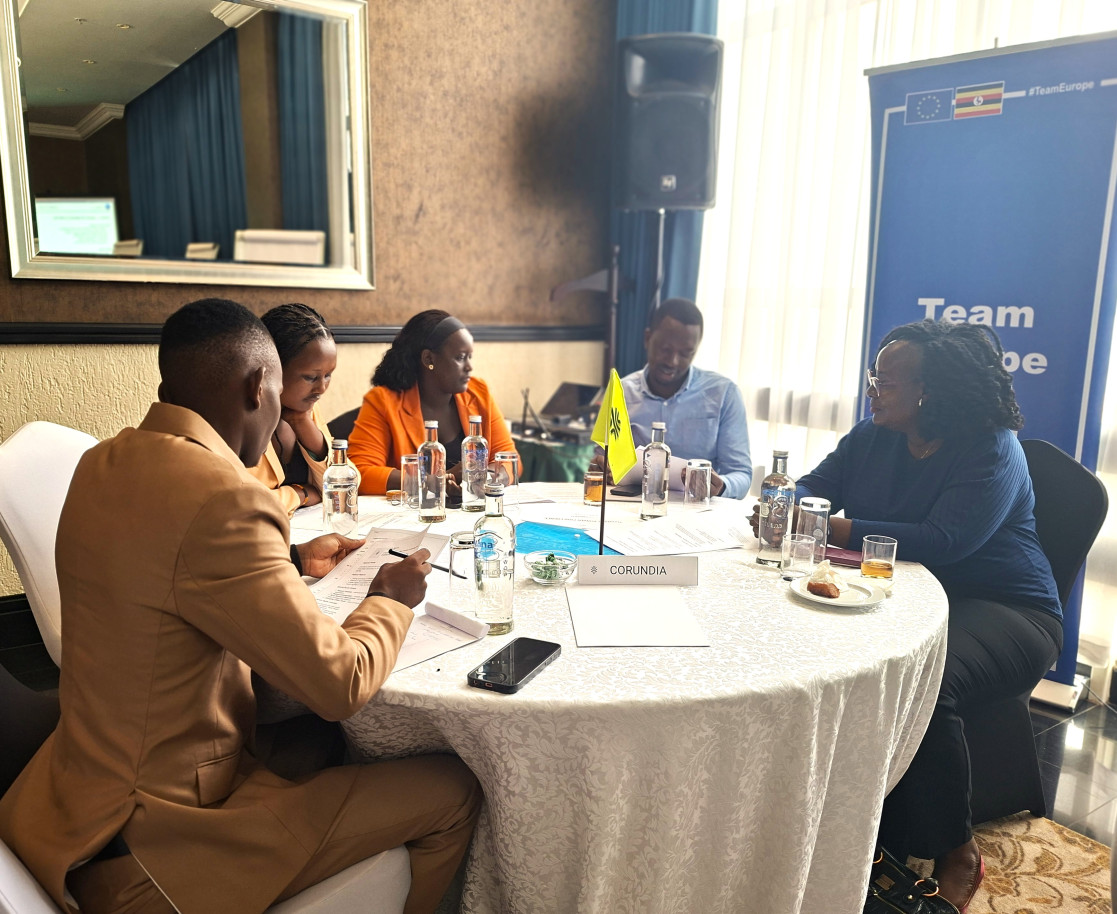
©EU Delegation to Uganda/Emmanuel Gyezaho/2025
The countries were deliberately contrasted: some driven by economic performance and technological ambition; others marked by historical inequalities or strong social traditions; some prioritizing state authority and stability; and others emphasizing individual freedoms, inclusion and social justice.
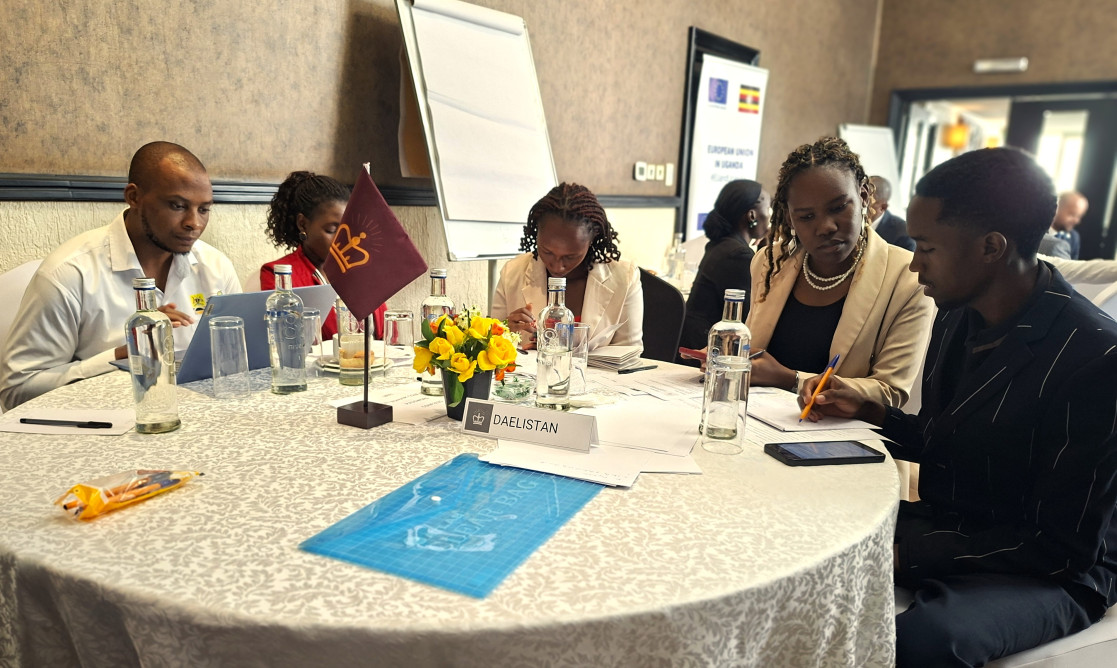
©EU Delegation to Uganda/Emmanuel Gyezaho/2025
Throughout the simulation, participants engaged in intense debates, negotiations, and collaborative problem-solving. The starting question was deliberately simple, yet demanding: What would a Universal Declaration of Human Rights look like if it were drafted today?
Emmanuel Gyezaho (European Union Delegation to Uganda)
“A legitimate question, considering that when the Declaration was adopted in 1948 - although the text remains actual and modern - much of today’s world was still under colonial rule,” said Mr Chartrain. “Yet, the text emerged from intense debates, compromises and abstentions rather than unanimity — with some states explicitly rejecting provisions related to racial and gender equality, or the very principle of universal applicability.”
©EU Delegation to Uganda/Emmanuel Gyezaho/2025
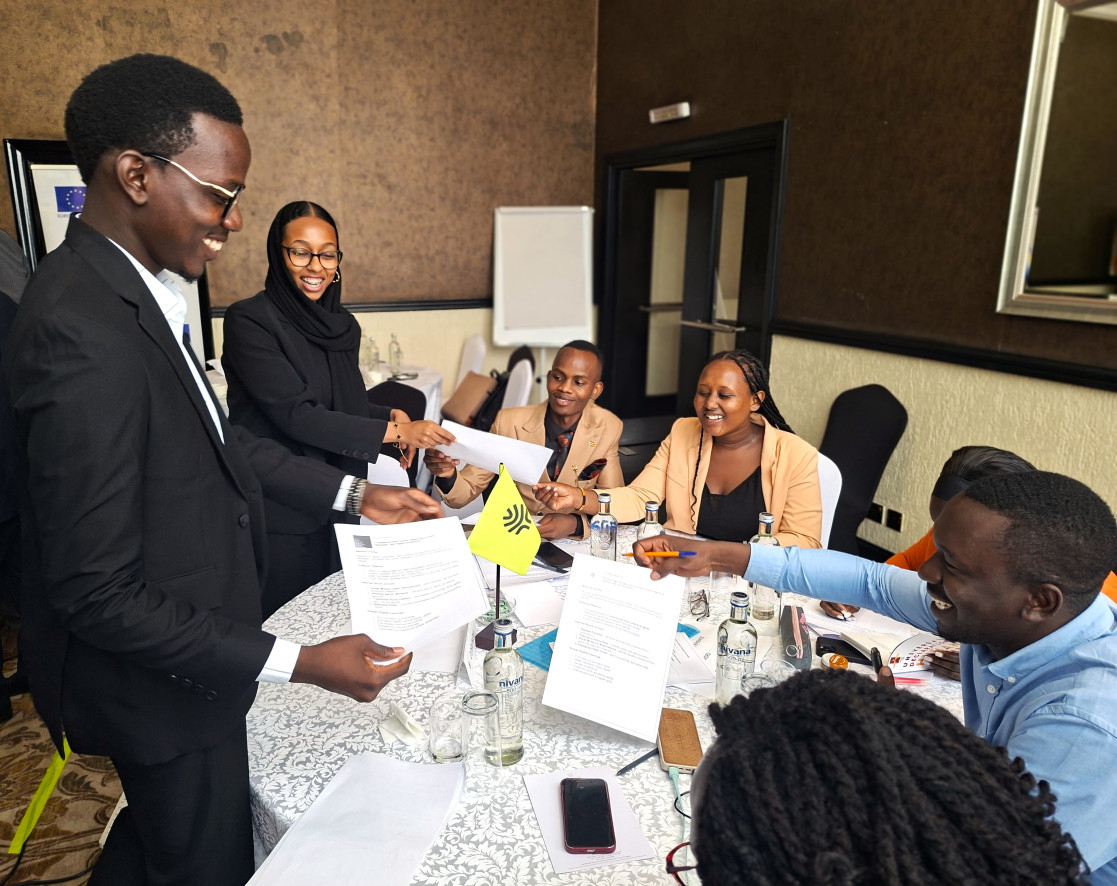
Working across differing national interests and perspectives, the game players were tasked to collectively create their own version of a Universal Declaration of Human Rights. And that they did, with vigour, candour and wit!
The exercise encouraged critical thinking, dialogue, and compromise—core principles of both diplomacy and human rights protection. It also offered participants a rare opportunity to experience firsthand how international agreements are shaped, highlighting the complexity behind global decision-making.
©EU Delegation to Uganda/Emmanuel Gyezaho/2025
Participants highlighted the value of the exercise in deepening their understanding of diplomacy and human rights advocacy. “What I really liked about this was the learning bit, getting to learn about the art of negotiation and also how to present your country’s interests,” said Hannah Terrisa, Ugandan youth leader and member of the National Youth Parliament.
As the young diplomats presented their final declaration, one message stood out clearly: the future of human rights depends on informed, engaged, and empowered young voices—ready to debate, collaborate, and lead.
On camera: Our graduate trainee Rachael Nduhukire presents the views of the RewRights participants