
EU Consults Children From Conflict Zones on the Impact of War on Their Lives and Human Rights
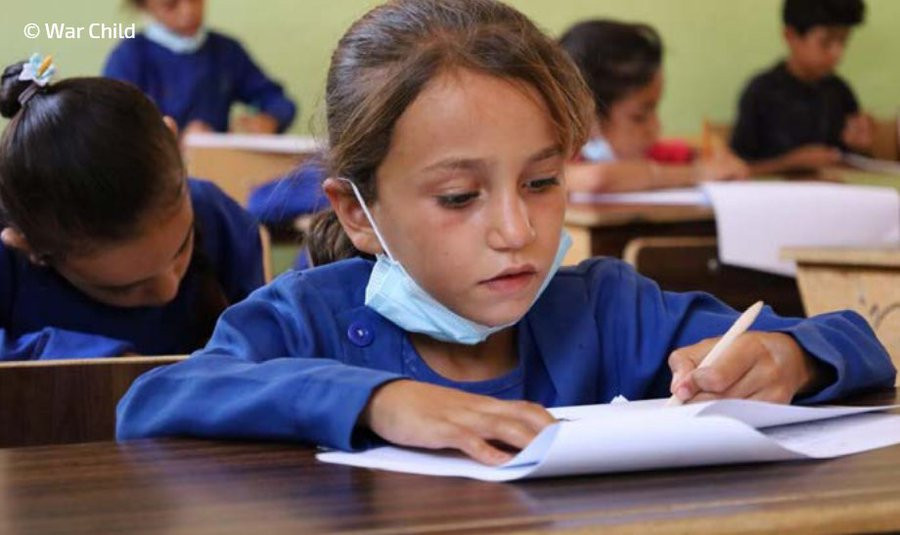
A total of 23 children aged 12-17 from 10 countries participated in the consultation. They shared powerful and consistent messages across three areas: access to rights during war, opportunities to be heard, and recommendations for action.
Their inputs will feed into the drafting of the resolution on the rights of the child which is led by the EU and the Group of Latin American and Caribbean States.
Children’s rights most affected by armed conflict
Children described that all their rights were violated during war. The most severely affected included the right to life, safety, and protection. One child from the DRC, told how children had been raped and did not feel safe, while children from the Palestine and Ukraine described living in fear of bombs and shelling. There is “no justification for killing children”, several said. Children from all regions described that education was amongst the first rights to be taken away. They described that schools were destroyed, turned into shelters or made unreachable by violence. Children from South Sudan told that “the road to school was simply too dangerous” and “that teachers had stopped working as they were no salaries for them”. A child from Sudan explained that losing her identity papers and school records while fleeing meant losing the chance to attend university. “No learning means no future” another child said. Children described how their access to health was periled when hospital were bombed and medicines unavailable. They described lacking food and clean water with one South Sudanese child explaining that the “dirty water made them sick”. Several children from Palestine attested that children had died from cold, illness or malnutrition. Children also explained that conflict had forcibly displaced them and separated them from their family members. A child from Colombia explained that “sometimes kids are recruited by armed actors because there is no one to take care of them”. Others described being separated from parents and needing to care for younger siblings.
Opportunities for children to be heard
Children overwhelmingly reported that they are rarely listened to in conflict settings. Adults often assumed children did not understand war, despite their lived experience. Several children made clear that they “came from a war zone and know what war is”. While some children were able to speak through media or consultations, their views were frequently ignored or not acted upon. The absence of meaningful participation left children feeling invisible and negatively impacted their mental well-being. A few positive examples from Ukraine were noted where structured consultations allowed children’s voices to influence decisions.
Children’s recommendations
- Children called for ending violence against children and protecting them at all times. One child stated simply, “Stop the violence.” Others demanded protection from sexual violence, physical abuse, and recruitment, stressing that “children should not be fighting in war”. Children urged that children detained during conflict be released.
- Children emphasized that education must continue, even during war, because education represents hope and survival. They called for schools to be protected from attack and not used for military purposes or shelters, for teachers to continue being paid, and for safe learning spaces equipped with shelters. Displaced children stressed that losing identity documents and school papers should not mean losing access to education.
- Access to healthcare, food, water, and humanitarian aid was described as a matter of life and death. One child described deprivation of food, medicine, and health care as among “the worst violations”. Children stressed that humanitarian aid must reach all children without discrimination or delay.
- The urgent need for psychosocial and mental health support was repeatedly highlighted. Children described witnessing death, losing family members, being forcibly displaced, or assuming adult responsibilities. A child from Myanmar shared that during conflict, “children are scared of showing their thoughts”. A child from Sudan emphasized that children have “seen too much”. Children needed sustained mental health care, alongside support for caregivers and family-based care to prevent unnecessary institutionalisation.
- Children demanded accountability for violations committed against them, including killing, sexual violence, unlawful detention, and discrimination.
- Finally, children insisted on their right to be heard and meaningfully participate in decisions affecting their lives, in line with the Convention on the Rights of the Child. A child from Afghanistan underscored that, “children are not just victims. We are the holders of hope and the future.” Children called for safe, ongoing child advisory mechanisms, and for their views to lead to concrete action.
The consultations and interpretation were facilitated by the NGOs Child’s Rights Connect in collaboration with Lumos, Save the Children, DCI / Connect Children Now, DCI-Palestine, CAT, Arigatou International, Qader for community Development, War Child, BIFERD amongst others.