
The UN80 Initiative

UN Photo/Maria Bordy 1951
The UN80 Initiative
Launched by Secretary-General António Guterres in March 2025, the UN80 Initiative is a system-wide reform aiming to make the United Nations more cohesive, effective, and efficient in responding to ever growing needs.
While the Secretariat is providing UN Membership with the necessary analysis for an informed decision-making process, Member States play a key role in bringing the reform to life. As UN80 enters a critical phase, Member States are taking decisions and providing direction on reform design processes, including the UN’s future funding architecture.
As the UN’s largest collective financial contributor, the EU and its Member States are playing an active role in ensuring that the UN continues to serve those who need it the most through a more coordinated and agile approach.
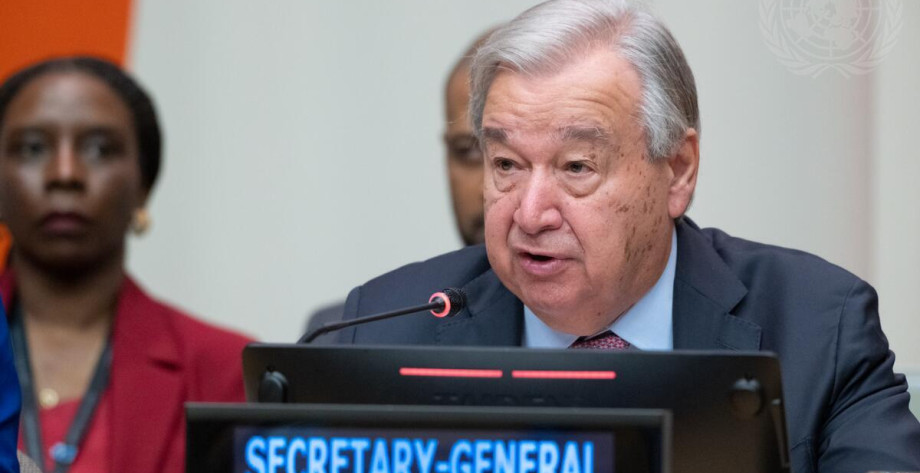
The need is great and the goal is clear: an even stronger and more effective United Nations that delivers for people and is tuned to the 21st century.
A growing gap between global needs and means

European Union
Three paths, one purpose
The UN80 reform initiative is divided into three separate workstreams under one common purpose: aligning mandates, institutional arrangements, resources and delivery mechanisms for a UN that delivers better.
Workstream 1
Under the direct responsibility of the Secretary-General, Workstream 1 is simplifying administrative processes, consolidating support services, reducing duplications and relocating functions as appropriate.
Workstream 1 efficiencies are at an advanced level in the process of implementation, aiming at:
- Lower-cost locations: 2,300 positions shifting across the UN system
- Post reductions: 21% reduction in staff positions in the revised UN Secretariat budgets for 2026
- One platform: One common administrative platform in New York now serving 6,000+ personnel

Secretariat efficiencies
Workstream 2
Workstream 2 aims to strengthen mandate lifecycles through a more disciplined approach to mandate creation and review, reduction of overlaps and reporting burdens.
In March 2026, the General Assembly adopted resolution 80/251 on mandate creation, implementation and review, a major milestone for UN reform. The resolution establishes principles for mandate creation, implementation and review, tasking the Working Group on Mandate Implementation Review with advancing a broader cultural shift in how mandates are managed across the UN system.

Strengthening mandate lifecycles
Workstream 3
Workstream 3 considers how existing delivery arrangements can be improved through common tools to maximize impact in challenging and rapidly changing conditions. From humanitarian delivery models to shared services and funding mechanisms, this comprehensive and system-wide approach seeks to better support Member States and the people the UN serves.
Some of the expected outcomes include:
- Planning timelines for major humanitarian response operations reduced by 51 days
- Around $18B saved in supply chain integration
- 25 UN system organizations making their expertise available on-demand to better assist UN country teams and the governments they support
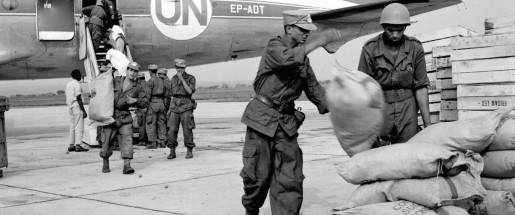
Improving delivery
EU priorities

European Union
The UN80 Initiative and the Pact for the Future
The UN80 Initiative and the Pact for the Future are part and parcel in bringing about a future-ready UN that delivers for all people. One sets the political direction towards the achievement of the Sustainable Development Goals, the other represents how to get there.
This interlinkage becomes concrete when considering SDGs delivery: accelerating progress on the SDGs requires both the political commitment embedded in the Pact and the institutional efficiency that the UN80 Initiative can unlock.
Aligned effectively, these initiatives bring renewed momentum to the 2030 Agenda and provide a unique opportunity in the UN’s eighty years of existence to recalibrate priorities, mobilize resources, and increase impact.

UN Photo/Loey Felipe 2024