Building back our BIODIVERSITY
What is the International Day of Biodiversity?
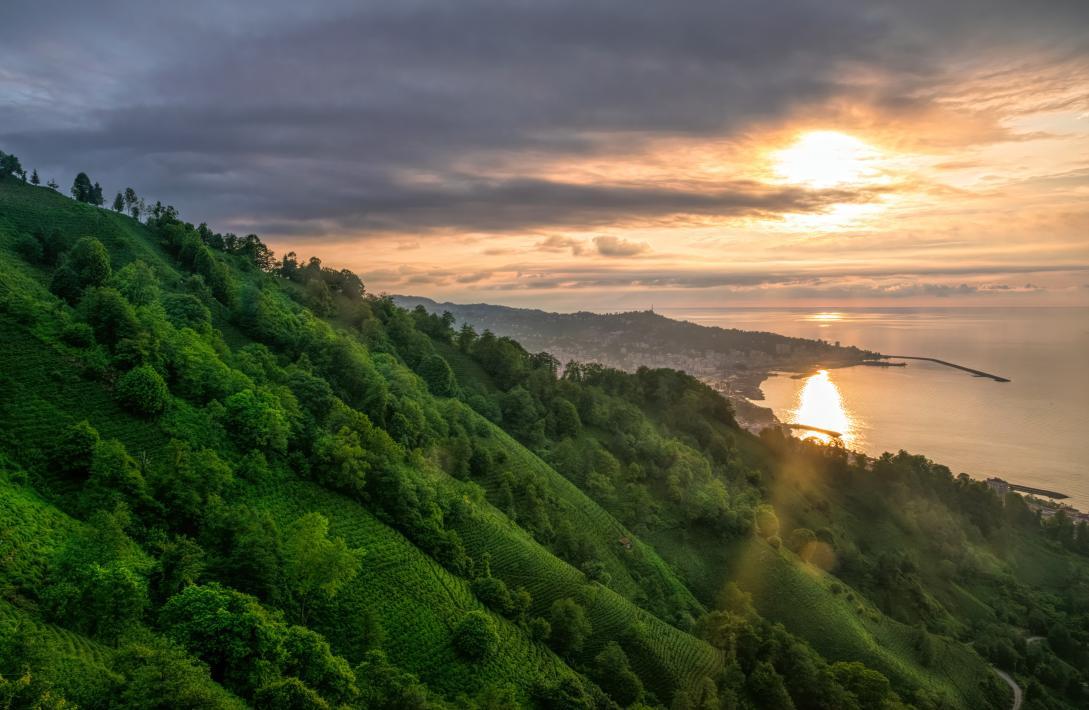
The International Day of Biodiversity, celebrated on May 22, serves to remind all of us of the vital role of biodiversity in sustaining life on Earth. It is also a call to collective action for all of us - individuals, organisations, governments and societies - to preserve and restore nature for the benefit of current and future generations.
Biodiversity refers to the variety of life in all its forms, ranging from the smallest organisms to flora and fauna, on land and at sea, and all of the different ecosystems that exist on earth. It is the genetic diversity of the natural world, and the complex interactions that link them all together. Biodiversity is the foundation of ecosystems, providing us with all that is essential to human life: air, food and water, and a climate that can sustain human life.
The International Day of Biodiversity draws attention not only to the immense value of biodiversity, but also the myriad threats which put it at risk; to cognize the immense value of biodiversity and the threats it faces. All of these threats - including pollution, climate change, loss of habitats, overexploitation and invasive species - require us to take action to build a more sustainable future.
What is the EU doing to help preserve our biodiversity?
The European Union has long recognized the importance of biodiversity. Through its Biodiversity Strategy for 2030, as part of the European Green Deal, the EU aims to put Europe’s biodiversity on the path to recovery for the benefit of people, climate and the planet. In the post-COVID-19 context, the strategy aims to build societies’ resilience to future threats including:
- the impacts of climate change
- forest fires
- food insecurity
- disease outbreaks
The Strategy contains a series of specific commitments and actions to be delivered by 2030:
Establishing a larger EU-wide network of protected areas on land and at sea
- The EU will enlarge existing Natura 2000 areas, with strict protection for areas of very high biodiversity and climate value.
Launching an EU nature restoration plan
- Through concrete commitments and actions, the plan is for EU countries to put in place effective restoration measures to restore degraded ecosystems, in particular those with the most potential to capture and store carbon and to prevent and reduce the impact of natural disasters.
- As part of this plan, the Commission proposed the EU’s first ever Nature Restoration Law which includes an overarching restoration objective for the long-term recovery of nature in the EU’s land and sea areas, with binding restoration targets for specific habitats and species.
Introducing measures to enable the necessary transformative change
- The strategy highlights unlocking funding for biodiversity, and setting in motion a new, strengthened governance framework to
- ensure better implementation and track progress
- improve knowledge, financing and investments
- better respecting nature in public and business decision-making
Introducing measures to tackle the global biodiversity challenge
- These measures will demonstrate that the EU is ready to lead by example to address the global biodiversity crisis. In particular, working towards the successful adoption of an ambitious global biodiversity framework under the Convention on Biological Diversity.
Ursula von der Leyen, President of the European Commission, has emphasized the EU's commitment to biodiversity: “Making nature healthy again is key to our physical and mental wellbeing and is an ally in the fight against climate change and disease outbreaks. It is at the heart of our growth strategy, the European Green Deal, and is part of a European recovery that gives more back to the planet than it takes away.”
Through its commitment to biodiversity, the European Union strives to lead by example and inspire other nations to join the global effort to protect and restore nature. By promoting sustainable practices and integrating biodiversity into all aspects of policymaking, the EU aims to build a resilient and sustainable future for both nature and humanity.