
'Come with Us! - Democratic Transformations in Central and Eastern Europe after 1989'

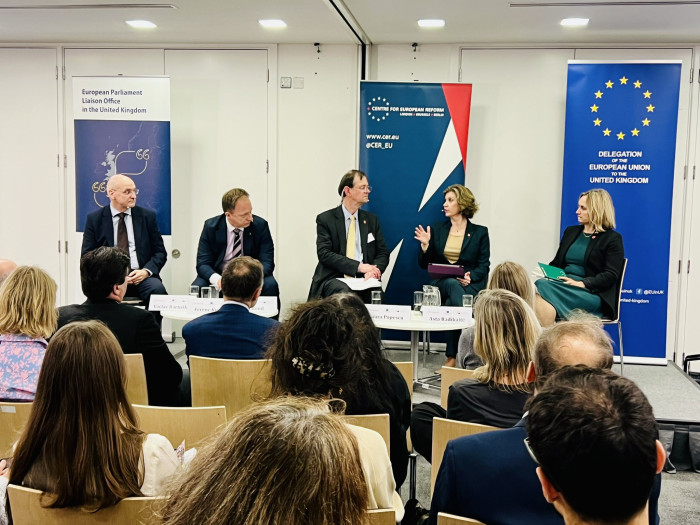
In 1989, a historic wave of democratic change set in motion a transformation that reshaped the politics of the European continent. To mark the 36th anniversary of the start of this process, the EU Delegation to the UK and the European Parliament Liaison Office in the UK hosted a panel discussion of the diplomatic corp in London, held in conjunction with a private viewing of a striking new exhibition at Europe House's 12 Star Gallery.

EUD
A reflections on the times
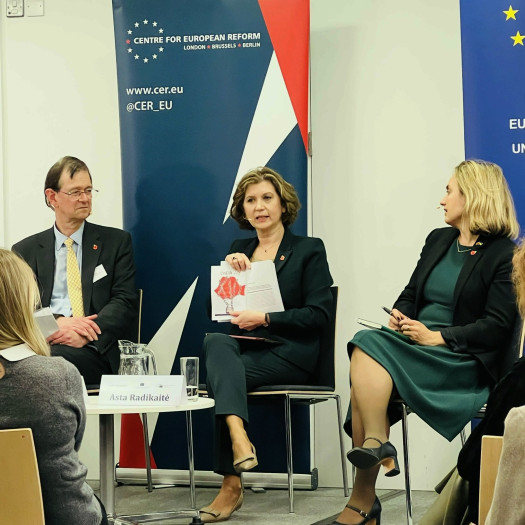
The event, held under the Chatham House rule, saw the the Ambassadors of the Czech Republic, Hungary, Lithuania, and Romania to the UK share their candid reflections and recollections of the period.
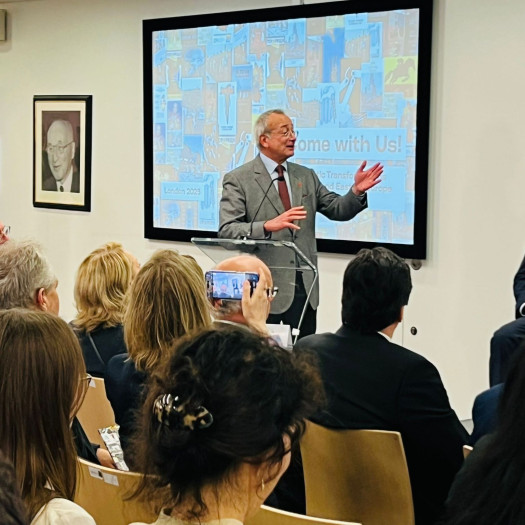
EU Ambassador Pedro Serrano opened the evening highlighting how this critical period paved the way for the EU's enlargement in the 2000s and reshaped the geopolitical world order. The discussion moderated by Ian Bond from the Centre for European Reform, unpacked how the democratic transformations opened new dialogues about governance, sovereignty, international cooperation, market reform, and environmental awareness.
EUD
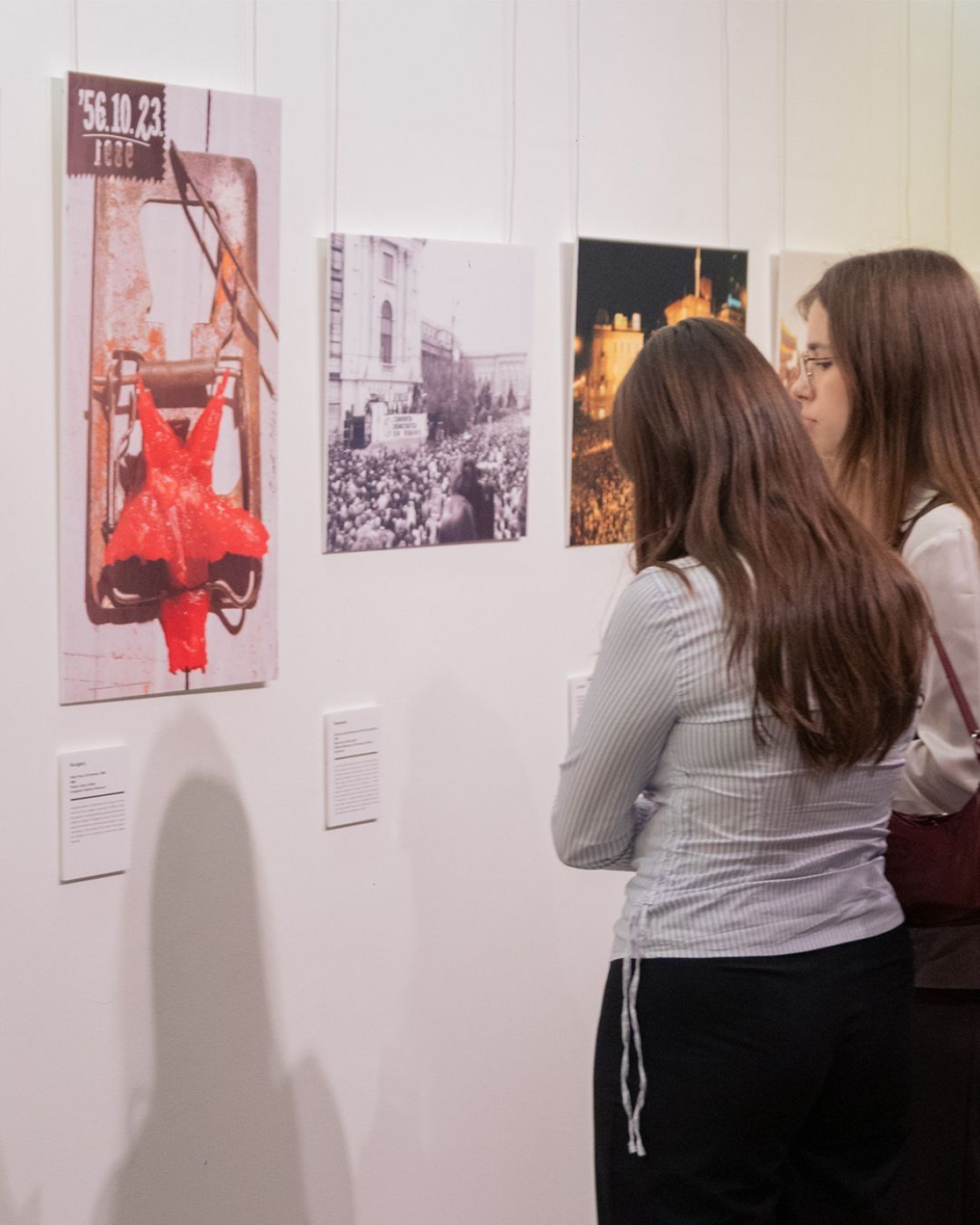
"Come With Us!" Exhibition
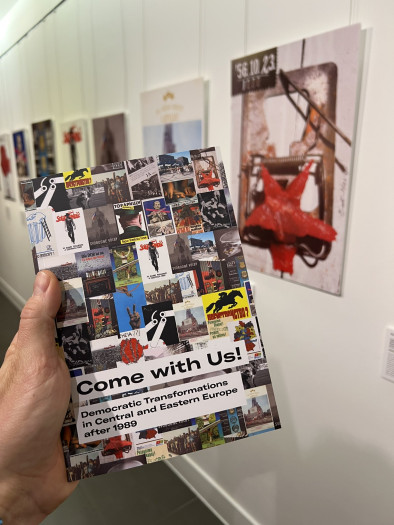
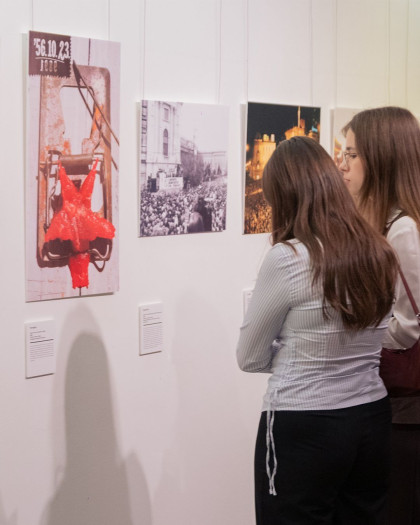
Following the panel, guests were invited to view the new exhibition "Come With Us!" at Europe House. This powerful display of political posters from 1989–1990 brings together works from twelve countries: Bulgaria, Croatia, Czech Republic, Estonia, Germany, Hungary, Latvia, Lithuania, Poland, Romania, Slovakia, and Slovenia.
In introducing the exhibition, Leena Maria Linnus, Head of the European Parliament Office in the UK, stressed that the exhibition reminds of the power and value of democracy.
Political Posters as Catalysts for Change - Background to the exhibition:
During the period of revolutions and independence struggles between 1989 and 1991, the political poster re-emerged as a powerful presence in public spaces—not merely as a promotional tool, but as a catalyst for engagement. These works mobilised the public, shaped opinion, stirred emotion, and inspired action. For the first time since the end of the Second World War, free, multiparty democratic elections were held across the region during this period, fundamentally altering the political landscape.
The surviving pieces include political portraits from electoral campaigns alongside more ambitious works that capture the very essence of regime change, transporting viewers back to that pivotal time. The exhibition highlights the spirit of change that defined that era and reminds us what was achieved then and what remains at stake today as Europe once again faces war following Russia's full-scale invasion of Ukraine.
An evening to reflect - a reminder of shared values
The exhibition and discussion served as a vivid reminder of the shared values—democracy, freedom, and solidarity—that continue to unite Europe.
The panel event was jointly organized by the EU Delegation to the UK and the European Parliament Liaison Office in the UK, while the exhibition was realised with the support of the Hungarian Cultural Centre, EUNIC (EU National Institutes for Culture), and 12 EU Member States: 🇧🇬🇭🇷🇨🇿🇪🇪🇩🇪🇭🇺🇱🇻🇱🇹🇵🇱🇷🇴🇸🇰🇸🇮Embassy of Bulgaria, Embassy of Croatia, Czech Centre London, Embassy of Estonia, Goethe-Institut London, Embassy of Latvia, Embassy of Lithuania, Lithuanian Culture Institute, Polish Cultural Institute, Romanian Cultural Institute, Slovak Institute, Embassy of Slovenia, and Liszt Institute - Hungarian Cultural Centre London.
Media gallery
-
Image

EUD
1989 - Come with Us - Democratic Transformations
-
Image
EUD
1989 - Come with Us - Democratic Transformations
-
Image
EUD
1989 - Come with Us - Democratic Transformations
-
Image
EUD
EUD
-
Image

EUD
1989 - Come with Us - Democratic Transformations
-
Image
EUD
1989 - Come with Us - Democratic Transformations
-
Image

EUD
1989 - Come with Us - Democratic Transformations
-
Image
EUD
1989 - Come with Us - Democratic Transformations