
Top foreign policy experts analyse what lies ahead in Russia’s invasion of Ukraine
|
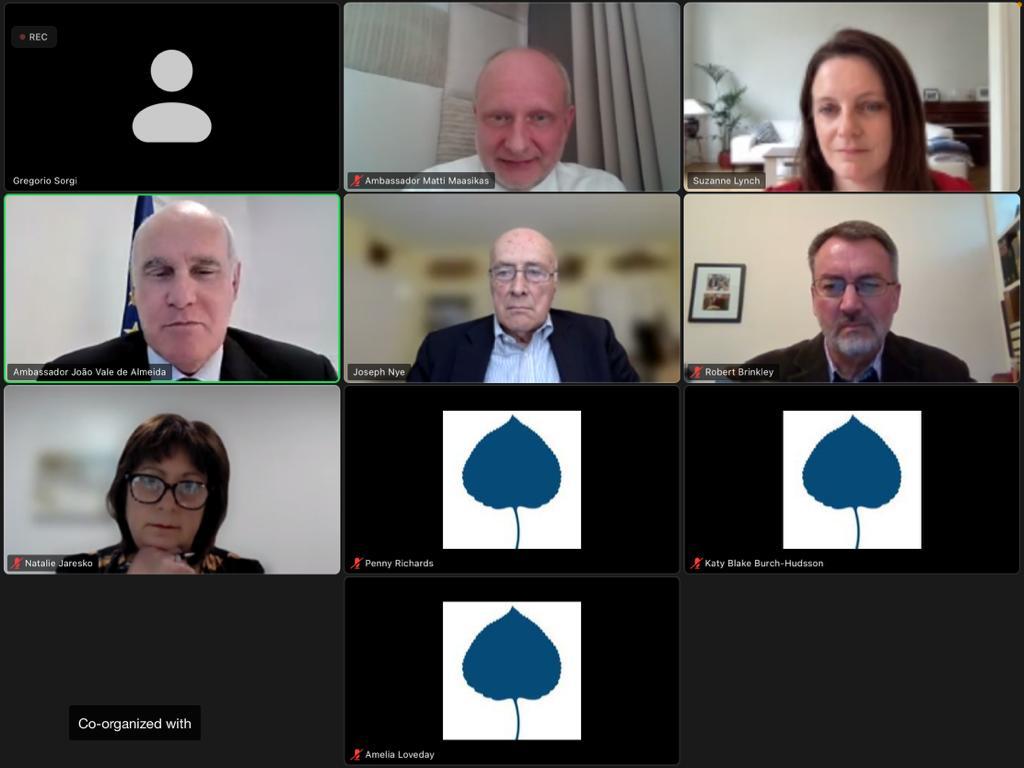
Diplomats and foreign policy experts analysed the possible outcomes of the war in Ukraine in a webinar co-hosted by the EU Delegation to the UK and Aspen UK, and moderated by POLITICO’s Suzanne Lynch.
The EU’s Ambassador to Ukraine Matti Maasikas hailed the EU’s response to Russia’s invasion as a “watershed moment”. He said: “We have sanctioned 877 individuals and 62 entities, and provided strong humanitarian support to the affected population”. The Ambassador added that “the EU did everything it could to cut its ties with Russia” and indicated that the next round of sanctions might be aimed at further reducing the EU’s dependence on Russian gas.
The speakers analysed the attempts to reach a negotiated solution to the conflict. According to Ukraine’s former Finance Minister Natalie Jaresko, “what is currently at stake is not the foreign policy orientation of Ukraine but its very existence”. She claimed that Russia is seeking “the genocide of the Ukrainian people” and called on the West to step up its military support.
Most panelists agreed that the invasion of Ukraine will leave Russia in a weaker position on the global stage. Professor Joseph Nye said that “Russia and China will lose soft power and this will matter in the long term, as we’ve seen with the fall of the USSR”. He added that “Russia’s attempts to reduce Ukraine to a rump state” are doomed to fail as a result of domestic resistance. The UK’s former Ambassador to Ukraine Robert Brinkley described Russia “not as an emerging but a submerging economy” which in his view will be left economically weaker by the West’s sanctions. He added: “I fear that this conflict will result in a grinding war of attrition (…) The West must adopt more rapid actions to further weaken Russia and bring the conflict to a close”.
|