Why launching a regional Gender price in the Sahel can make the difference for security and defence?
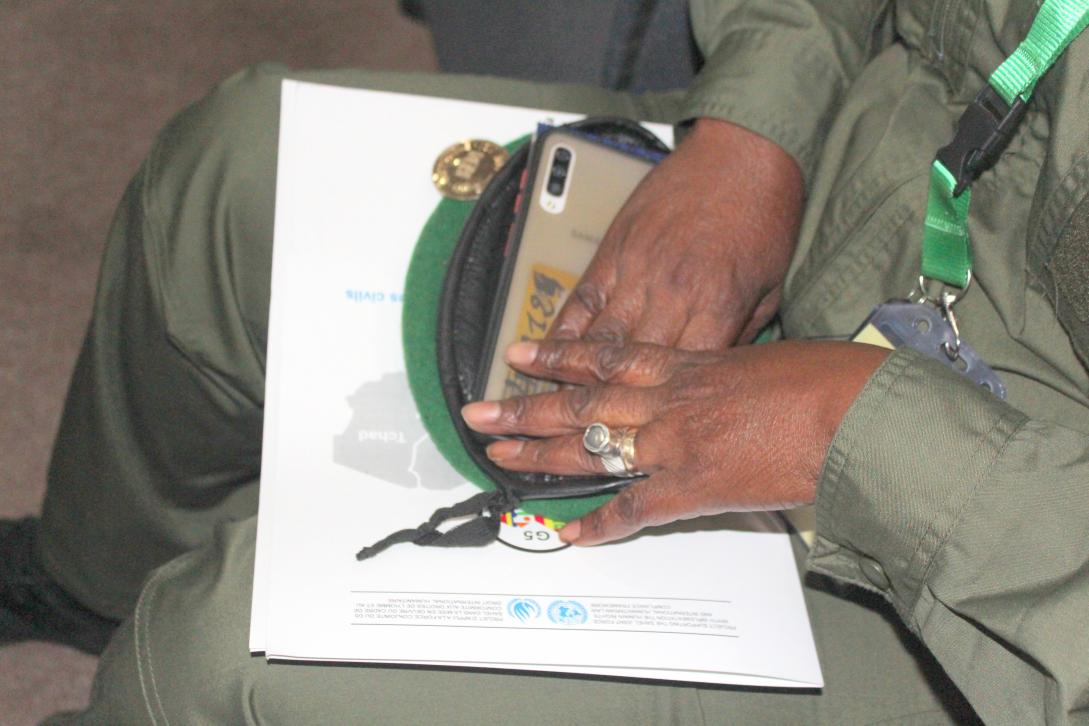
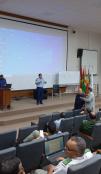
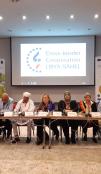
The official launch of the first edition of the prize took place during a workshop organized by the Executive Secretariat of the G5 Sahel and the United Nations System (UNOWAS, UNOUFEMMES, OHCHR, UN-Volunteers) in Nouakchott, Mauritania (where the G5 Sahel has its Headquarters).
The meeting included discussions on validating the methodology and the process for the implementation of the price. It brought together a total of 40 participants (25 women), including representatives of the G5 Sahel Executive Secretariat, the G5 Sahel Women’s Platform (regional and national), the National Coordination Committees (NCCs) of the G5 Sahel actions, Ministries in charge of the defence, security and justice of the G5 Sahel countries and the United Nations System (UNODC, UNOWAS, OHCHR, UN-Volunteers).
The EU Regional Advisory and Coordination Cell for the Sahel (RACC) supports this Action Plan by making it known to partners operating in the Sahel, by participating in related national and regional workshops (bringing up gender issues in those workshops) and by ensuring the participation of women in regional training supported by the RACC.
The military and interior security experts of the RACC assist the EU Delegations in promoting the participation of women in the national forces through projects.
Women participation is crucial for properly and effectively addressing security challenges in the Sahel, however, due to inequalities, women in the Sahel are disproportionately affected by insecurity and climate change. The G5 countries show gender disparities in education, health (including specific women’s health issues such as gender-based violence), access to opportunities and participation in parliament and forces.
To give a snapshot of the situation we make refence to the assessment of the state of play when it comes to gender equality made by the African Development Bank (AfDB), that produces the African Gender Equality Index.
This measures three dimensions: economic, social, representation and empowerment. the Sahel region present the most acute situation in terms of inequality on these three dimensions (32.4% for all five countries in the G5 Sahel region). This results in a gender gap of 67.6% on all three of these dimensions.
Looking at statistic concerning the security sector in terms of gender, for example, we see that on average, women are only 8-10% of the police forces in the Sahel countries, except for Mali (17%). Other data on politics confirm a similar trend. In 2019, according to UNDP, women in parliament counted for 9,5% in Mali, 13,4% in Burkina Faso, 14,9% in Chad, 17,0% in Niger, and 20,3% in Mauritania. Maternal mortality rates vary between 320/100 000 live births in Burkina Faso and 1 140 in Chad. FGM rates are exceedingly high in all countries (89% for 15–49-year-old women in Mali), except for Niger (2%).
The Launch of the Regional Sahel Gender Award is part of the Action Plan to strengthen the presence of women in the defence and security structures of the G5 Sahel. This Action Plan is a gender priority of the G5S and is supported by a broad range of organizations such as the UN and the EU (both by the CSDP Missions and the Delegations).