Strengthening Helpline 116: Training to Enhance Protection for Women and Children in Somalia

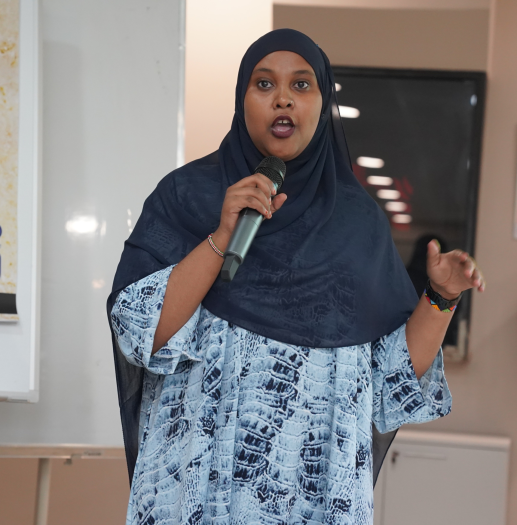
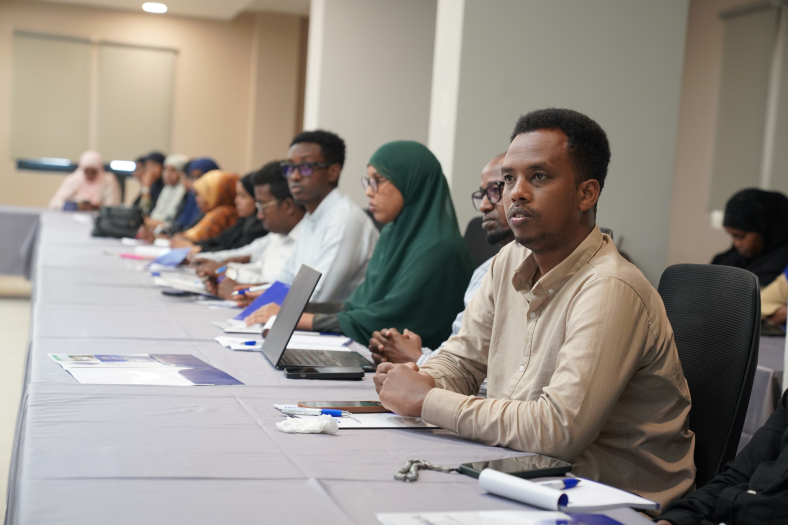
From 10-11 March, 36 staff members from Somalia’s National Child and Women Protection Helpline (116) participated in a two-day training in Mogadishu to strengthen their ability to respond to cases of gender-based violence and violations of children’s rights. The training focused on survivor-centred communication, legal protection mechanisms, and improved coordination between institutions supporting survivors.
Helpline staff alongside representatives from law enforcement, justice institutions, international partners, and civil society organisations participated in the training. This was the result of a collaborative effort with the Ministry of Family Affairs and Human Rights Development and EUCAP Somalia together with the Attorney General’s Office, the Somali Police Force (including the Criminal Investigation Directorate), the United Nations Children’s Fund (UNICEF), and Plan International Somalia.
The Mission focused on forms of Gender-based violence and prevention mechanisms, victim-centred approaches in police stations, investigation and evidence collection, case management, and legal procedures. Sessions also focused on survivor-centred communication and counselling skills, crisis management, evidence documentation, and safe information management.
The programme emphasized the importance of coordination between the Helpline Centre and police, justice, health, and social services to ensure effective case referral and response. Through group discussions and practical exercises, the 36 participants shared experiences and identified ways to strengthen collaboration across institutions, helping improve protection and support for survivors of violence in Somalia.
Helpline 116, established by the Federal Government of Somalia in November 2025, operates 24 hours a day and serves as a critical point of contact for women and children experiencing human rights violations. The service provides reporting, protection, and referral support while ensuring a survivor-centred approach that prioritizes dignity, confidentiality, and access to appropriate services.
Media gallery
-
Image

EUCAP SOMALIA
-
Image
EUCAP Somalia
-
Image

EUCAP Somalia
-
Image

EUCAP Somalia
-
Image
EUCAP Somalia
-
Image

EUCAP Somalia