
The European Union and Mozambique
The EU and Mozambique share a close partnership across bilateral, regional, and global levels. In its partnership with Mozambique, the EU has played a key role in supporting peace and security, while also leading efforts in trade and investment, development cooperation, and humanitarian assistance.
-
Image
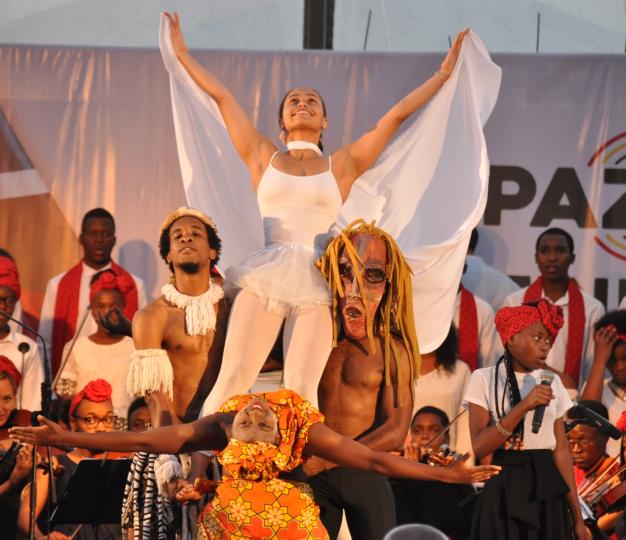
Cultural presentation at the signing of the Peace Agreement in Mozambique, with the support of the EU.
Copyright of the image: PR Moz 2019
Political Relations
Relations between the EU and Mozambique cover political, economic, trade, and development cooperation. The partnership is guided by the Samoa Agreement, in force since January 2024, and is strengthened by the Team Europe Approach. This brings together the EU Delegation and the 11 EU Member States represented in Maputo, namely, Austria, Belgium, Finland, France, Germany, Ireland, Italy, the Netherlands, Portugal, Spain, and Sweden. Working collectively, they coordinate their actions and support shared priorities.
Political situation and dialogue
The EU has long been a key partner of Mozambique’s key partners in promoting peace and democratic governance through dialogue and reconciliation. In 2019, the EU facilitated and witnessed the signing of the Maputo Peace Agreement and committed €60 million to support its implementation. Today, in cooperation with the government, political parties, and civil society, the EU continues to provide technical and financial support to Mozambique’s National Inclusive Dialogue.
On the development side, a central pillar of the EU–Mozambique partnership is the EU 2021-2027 Multi-annual Indicative Plan (MIP) for Mozambique. Implementation began in 2021, and the programme is now entering its final phase. Here the priorities of the MIP:
- Growing Green, with a focus on clean energy, digital infrastructure, sustainable agriculture, as well as climate change adaptation and environmental preservation, and stronger competitiveness and economic stability.
- Growing Youth, centered on education, skills development and job creation, alongside the empowerment of women and youth through inclusive opportunities.
- Governance, Peace, & a Just Society, focused on promoting democracy, the rule of law, and transparency, strengthening civic engagement, supporting security and humanitarian efforts in Cabo Delgado, and advancing gender equality and social inclusion.
Learn more about the EU Global Gateway Initiative in Africa.
Economic and Trade Relations
The EU and Mozambique enjoy strong and expanding trade and economic relations, rooted in shared interests in sustainable growth, regional integration, and long-term prosperity. As one of Mozambique’s main trading partners, the EU supports the country through trade agreements, investment, and targeted technical assistance. Mozambique benefits from preferential access to the EU market, notably under the EU – SADC Economic Partnership Agreement (EPA). The EPA promotes trade liberalization and regional integration, strengthening Mozambique’s role within the Southern African Development Community (SADC) and improving access to European and global markets.
Alongside the EU–SADC EPA, Mozambique is also strengthening its engagement in the African Continental Free Trade Area (AfCFTA), a major initiative to create a single market for goods and services across Africa. The EU actively supports Mozambique’s integration into the AfCFTA, which has strong potential to boost intra-African trade and economic development. Through technical expertise and financial assistance, the EU helps Mozambique align its trade policies with AfCFTA objectives, enabling the country to make better use of existing market opportunities.
EU’s support for Mozambique’s economic development is linked to its broader commitment to the UN Sustainable Development Goals (SDGs). Working with both government and non-government partners, the EU encourages inclusive growth, sustainability, digital transformation, and economic diversification. This strengthens the national economy, with lasting benefits for the wider region.
Learn more: EU trade relations with Southern African Development Community
-
Image
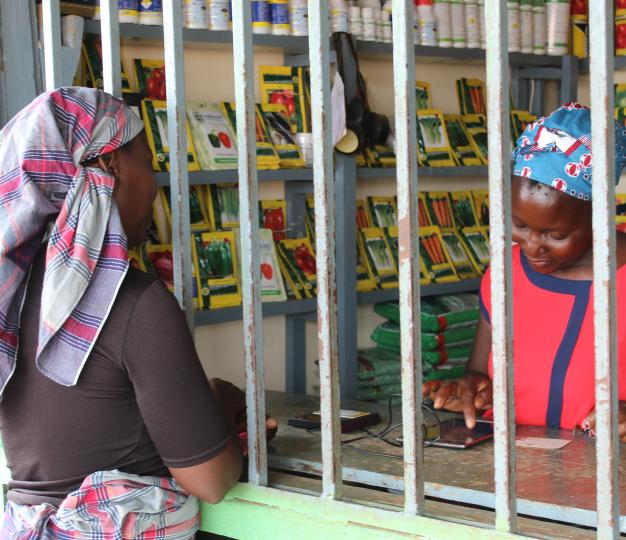
Mozambique's private sector with more trade opportunities
Copyright: Telcinia FAO 2019
-
Image
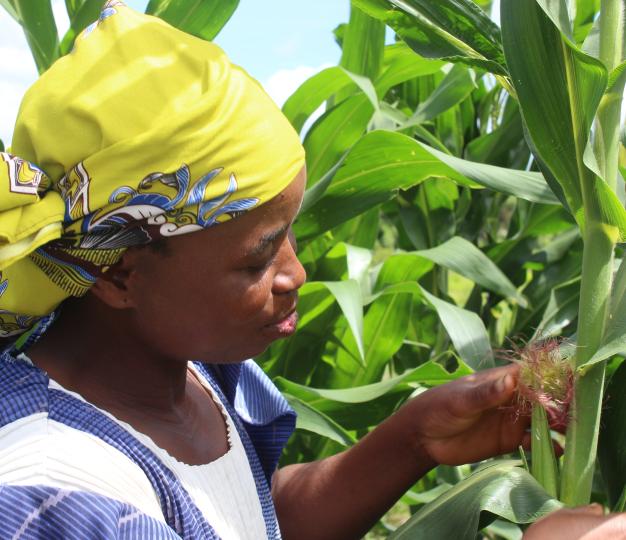
Small farmers in northern Mozambique are among the main beneficiaries of rural development projects and programmes
Copyright: Telcinia FAO 2019
Technical and Financial Assistance
The European Union is a key partner in Mozambique’s development, providing support aligned with the country’s priorities. Over the years, EU assistance has focused on good governance and rural development. In the area of Good Governance and Development, EU action aims to strengthen public policies and institutional frameworks, with the emphasis on effective government systems, accountability, and sound macroeconomic management.
On Rural Development, the EU supports inclusive growth by expanding economic opportunities through its PROMOVE programme. This includes several key projects in Zambezia and Nampula provinces. With a total investment of over €300 million, PROMOVE targets keyl sectors such as transport, energy, agriculture, nutrition, biodiversity, and trade:
- PROMOVE Transport (€124m) supports rural connectivity by rehabilitating key roads, including the 190 km Milange-Mocuba road, in Zambezia.
- PROMOVE Energy (€94m) expands access to reliable and affordable energy, addressing Mozambique’s low electrification rates.
- PROMOVE Agribiz (€68m) strengthens rural competitiveness by promoting sustainable agriculture, improving rural markets and building community resilience.
- PROMOVE Nutrition (€30m) addresses high levels of chronic malnutrition, particularly among children and women.
- PROMOVE Biodiversity (€13m) supports biodiversity conservation and the sustainable management of natural resources, in areas like Ilhas Primeiras e Segundas and Gilé National Reserve.
- PROMOVE Trade (€12m) focuses on trade facilitation and improving the business environment by strengthening Mozambique’s capacity to implement reforms.
The EU also engages in cooperation with PALOP-TL, trough the Governance Initiative, which supports reforms for greater democratic governance, social inclusion, and economic development across the region. In addition, under the Global Gateway, the EU is mobilizing investments in view to a transformative impact in Mozambique.
Civil Society and Human Rights
The European Union plays an important role in promoting and protecting human rights while strengthening civil society in Mozambique. Through targeted programmes and partnerships, the EU supports citizens’ participation in democratic processes and engagement with public institutions.
The EU works with local partners to uphold freedom of expression, the press, and association, and to encourage active citizenship. This includes supporting the application of national laws, fostering dialogue between citizens and their representatives, and helping civil society hold public institutions accountable.
These efforts contribute to more inclusive, transparent, and accountable governance, with civil society playing a central role in public debate and long-term development.
The EU also supports Mozambique’s progress on human rights by addressing key challenges such as gender equality, social inclusion, and the protection of vulnerable groups. Its support strengthens human rights institutions and national defenders, with particular attention to combating gender-based violence and advancing the rights of women and children through legal and policy reforms.
More broadly, the EU promotes the integration of human rights and civil society participation into national policies, helping ensure that Mozambique’s development agenda is inclusive and aligned with constitutional principles and international human rights standards.
Learn about the latest 2024 Annual Report on Human Rights and Democracy in the World (pdf).
-
Image
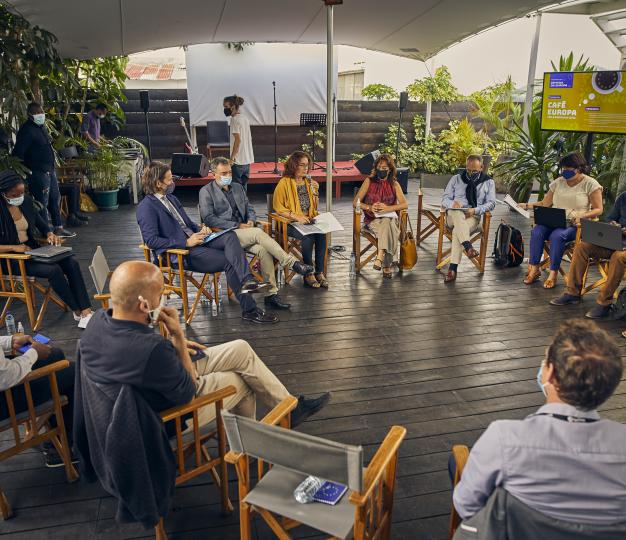
Networking “Café Europa” with civil society organizations during EU Week 2021
Copyright: EUMoz_2019
-
Image

ECHO post-cyclone Idai response in central Mozambique
Copyright: Christian Jepsen 2019
Development Cooperation and Humanitarian Aid
Mozambique is a longstanding partner of the EU in Southern Africa. Efforts towards sustainable development, peace, and resilience, aligned with the country’s national development plan are key to this partnership.
Joint work is organized round three priorities: Growing Green, Growing Youth, and Governance, Peace, and a Just Society, which form the pillars of the Multi-annual Indicative Plan 2021-2027. Cooperation, including under the Global Gatewey, covers clean energy, digital infrastructure, education and skills, inclusive governance, and peace-building, with emphasis on resilience, especially in the north. Mozambique is also one of the largest beneficiaries of the NDICI-Global Europe programme in Sub-Saharan Africa.
EU Humanitarian Aid in Mozambique
The EU has a strong track record of humanitarian support to Mozambique, responding to crises with both immediate relief and long-term recovery. Through European Civil Protection and Humanitarian Aid Operations, EU actions focuses on solidarity, support to vulnerable communities, resilience, and sustained recovery.
The EU has played a central role in emergency responses to natural disasters. After Cyclone Idai in 2019, it pledged EUR 200 million, including a €100 million concessional loan from the European Investment Bank to support urgent assistance, recovery and reconstruction. Since then, the EU has continued to assist communities affected by cyclones and floods, helping rebuild infrastructure, restore livelihoods, and strengthen disaster preparedness.
The EU has also relied on humanitarian air bridges to deliver life-saving supplies to remote areas. In northern Mozambique, the EU remains actively engaged in responding to the humanitarian impact of the ongoing violence, which has displaced hundreds of thousands of people and created urgent needs.