
The European Union and Naoero
The Republic of Naoero is a Micronesian Pacific island country. The relationship between the European Union and Naoero is governed by the Partnership Agreement between the EU and the Organisation of the African, Caribbean and Pacific States (the Samoa Agreement). Naoero and the EU work together on a number of common values, interests and challenges, such as climate change, oceans and human rights, which they address in bilateral Political Dialogues, at various ACP-EU policy dialogues, and at global multilateral levels.
Trade & Economic Relations between the EU and Naoero
Naoero is a Small Island Developing State (SIDS), categorised as a High Income Country.
Naoero’s economy peaked in the mid-1970s driven by phosphate mining, which declined from the early 1980s with serious environmental legacies. Since the exhaustion of phosphate reserves, Naoero has searched for alternative sources of revenue such as ecologically sustainable fisheries.
Nauru benefits from the EU’s Generalised Scheme of Preferences (GSP) regime which reduces or removes import duties from many of Naoero’s export products to the EU.
As part of the ACP Pacific group, Naoero can accede to the EU-Pacific Economic Partnership Agreement (EPA), currently applied between the EU and Fiji, Papua New Guinea, Samoa and the Solomon Islands. The EPA would give Naoero duty-free, quota-free access for all its products to the EU market — the world’s largest single market.
-
Image
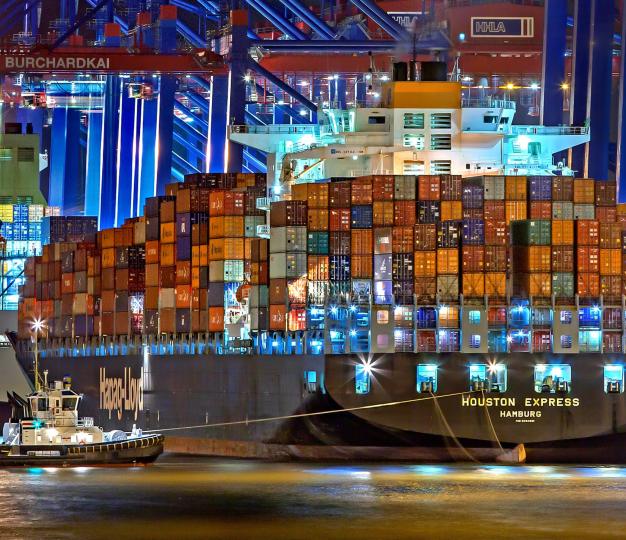
The EPA gives all Nauru products duty-free, quota-free access to the EU market — the world’s largest single market.
Copyright: Julius Sliver