
JANARTU ‒ Empowerment and association of CSOs, LAs and pasture users as a key to enhance grassroots self-governing practises and sustainability of the pastoral ecosystem in Almaty region
Implementing organisations:
Coordinator: Felcos-Umbria
Co-beneficiaries: Republic Association of agricultural cooperatives “AgroUnion of Kazakhstan”; Farmers of Kazakhstan Foundation; Associations of agricultural producers and entrepreneurs of Enbekshikazakh district "ODAQ". Associate partners: IsMed-CNR, Enbekshi-Kazakh District Akimat, Jambyl District Akimat.
Duration: 1 March 2024 ‒ 28 February 2027
Project budget: Total budget: € 424,000
EU contribution: € 400,000
Location: Enbekshi-Kazakh and Jambyl Districts of Almaty region, Kazakhsta
Contract number: NDICI CSO/2023/451-696
Project Description
The project’s overall objective is to increase local ownership of the decentralisation process and SDG implementation.
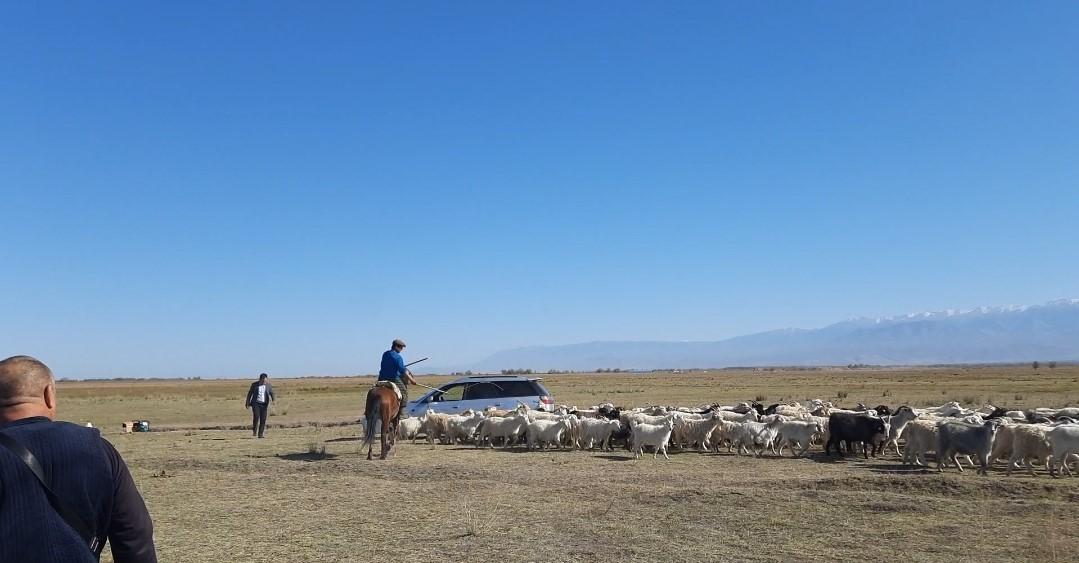
Farming and breeding represent the main economic sector and source of livelihood for the target communities. Yet, the impoverishment in the land biodiversity and fertility, especially in the overgrazed areas located near the villages, and the difficulties in accessing public advisory and financial support programmes, have severe impacts on the viability of farming, and on community resilience.
The project seeks to associate and empower the target smallholder farmers and breeders to enable their effective cooperation with relevant government bodies, CSOs and expert community on issues of sustainable pasture management, self-governance, localisation of SDGs.
Main target groups:
400 small farmers and breeders; 120 CSOs’ members; 80 civil servants of county, district, and regional Akimats and 15 members of the Parliament of the Republic of Kazakhstan and the Maslikhats of Almaty Region, Jambyl and Enbekshi-Kazakh districts; 20 women-run marginal farms
Expected results:
• 400 farmers and breeders associated in 8 new Unions of Pasture Users (UPUs) and 2 UPU Associations
• 220 CSOs’ and rural communities’ members and 80 civil servants of the Akimats empowered on policy dialogue and SDGs localisation & implementation
• 8 new Pasture Management Plans and 1 digital system for rangeland monitoring elaborated and adopted
• 6 recommendations and reform proposals prepared and 11 advocacy and lobby actions run
• Knowledge of the target groups fostered on sustainable land and water management / conservation, and innovative practices and technologies introduced.