
How the EU works with partners to strengthen energy security in Ukraine
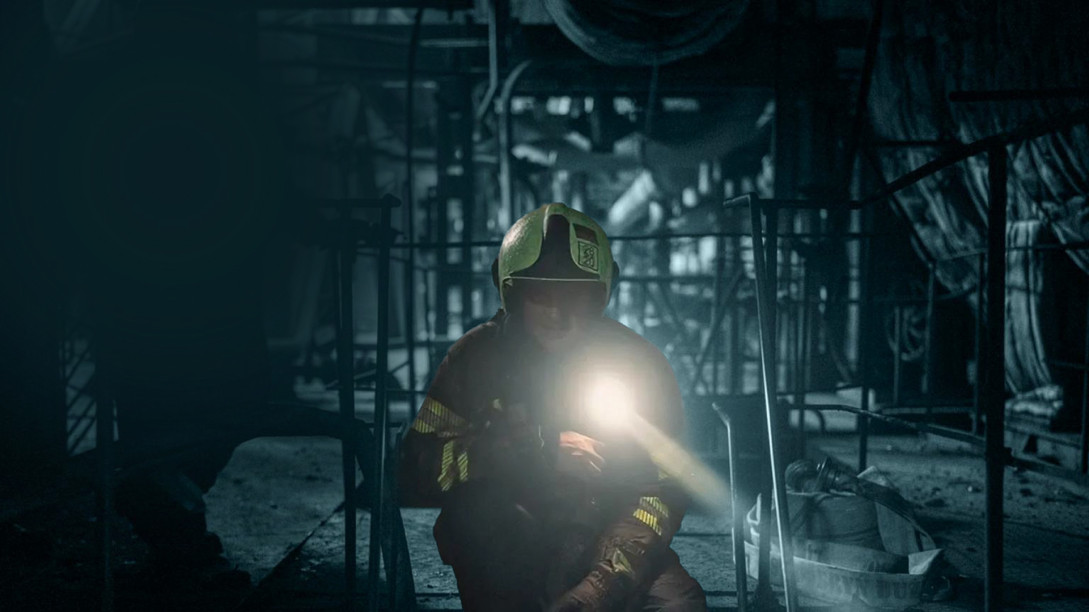
Ukraine’s energy system and other critical national infrastructure have been targeted by Russia during recent brutal aerial attacks carried out as the invasion continues into a fifth year of fighting. Only a few days ago, on the night of 1–2 June 2026, damage to Kyiv's energy infrastructure left approximately 140,000 residents without electricity. This is why it is vital to further develop decentralised and renewable energy solutions for Ukraine’s future resilience.
Strengthening resilience and rebuilding the Ukraine’s energy sector offers a unique opportunity not only to restore what has been damaged, but to build back better and accelerate the shift toward sustainable, resilient, and decentralized energy systems aligned with EU climate and energy objectives.
How the EU is helping Ukraine to develop energy resilience
The experience of Winter 2025–2026 in Ukraine was marked by relentless Russian attacks on the country’s energy infrastructure. Thousands of drones, bombs, and missiles targeted power plants and electricity grid, causing severe damage and continued rolling blackouts across the country. Millions of Ukrainians faced an unstable electricity, water and heating supply throughout the winter.
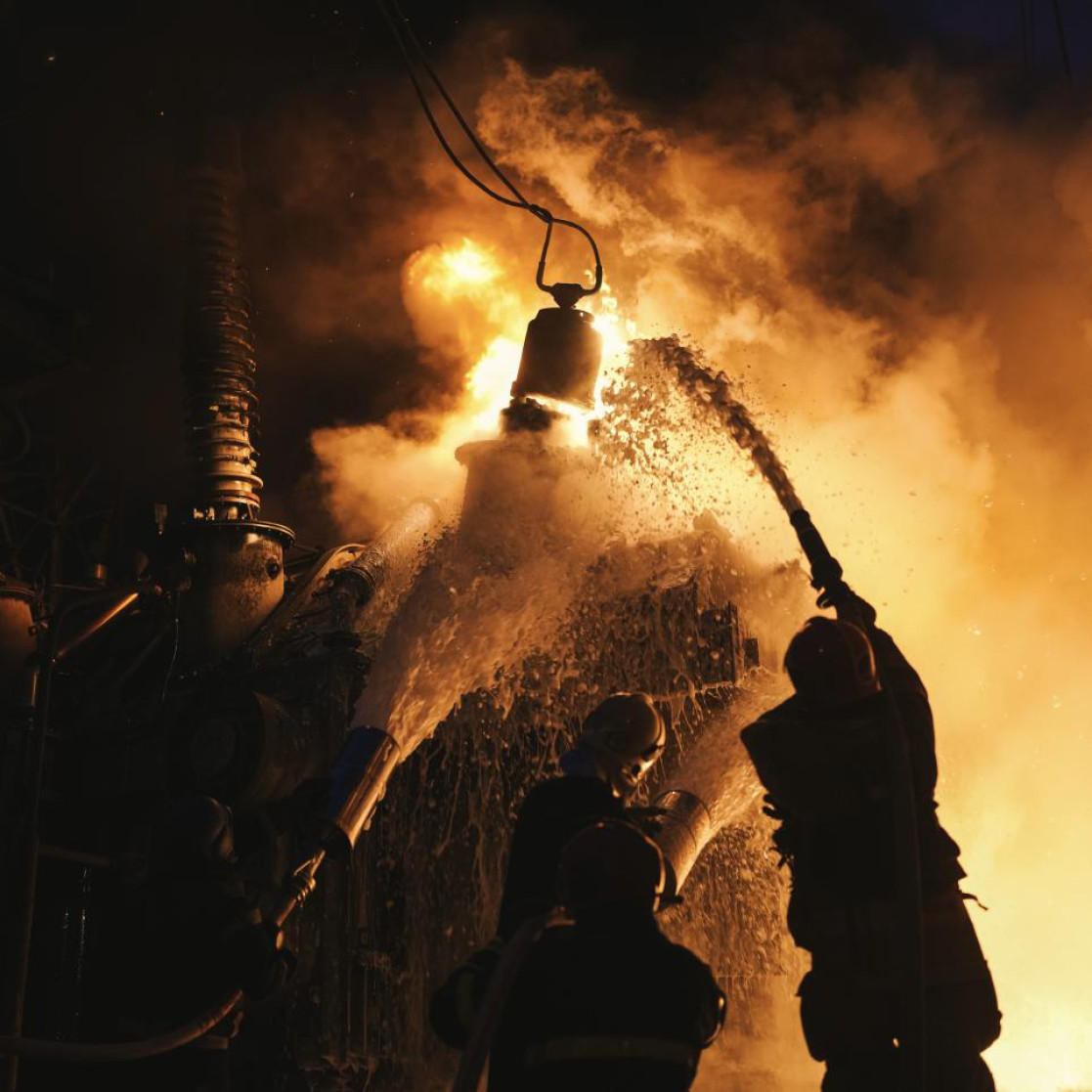
Ministry of Energy of Ukraine, 2026
Only in January 2026, the European Commission deployed 447 emergency generators worth €3.7 million from EU strategic reserves to restore power to Ukrainian’s hospitals, shelters and critical services.
The EU contributes to the Ukraine Energy Support Fund, which finances the most urgent needs of Ukrainian energy companies. As of 22 May 2026, the fund has a total of around EUR 2 billion in contributions predominantly from governments, and it means that international donors managed to double this amount only with a year.
Through the EU Civil Protection Mechanism, the EU has also mobilised thousands of power generators and transformers. The EU has also delivered 7,200 transformers and around 10,000 generators since the start of the full-scale invasion.
At the same time, the EU is mobilising EUR 920 million under the Ukraine Facility to strengthen energy resilience ahead of winter 2026–27.
Working with experts and local partners to plan ahead
In response to these challenges and the urgent need to strengthen Ukraine’s energy resilience, the high-level conference on 26 May, “Ukraine Winter: The Way Forward,” brought together European and Ukrainian officials, diplomats, and energy experts to discuss Ukraine’s energy resilience and recovery, as well as the urgent need to end Europe’s dependence on Russian fossil fuels.
Focusing on lessons from the past winter, the conference outlined Ukraine’s energy needs for 2026–2027 and the role that decentralised renewable energy will play in the country’s preparedness for the upcoming winter.
The event was organised within the framework of the EU–Norway Green Alliance, the event contributes to ongoing efforts under the Ukraine Facility and the G7+ Energy Ramstein process, while also helping to shape priorities ahead of the Ukraine Recovery Conference 2026.
At the event, Norway announced that it will provide around EUR 40 million for decentralised energy production, renewable energy, battery storage, and flexible local energy systems. This funding will strengthen the resilience of Ukraine’s energy supply, help accelerate recovery, and keep critical services running.
Working together, the EU and its partners can support Ukraine with the necessary repairs to the existing energy system, construction of new decentralised infrastructure, and how to better protect the overall energy sector from future attacks.
Rebuilding Ukraine’s energy sector is vital not only for Ukraine’s recovery, but for Europe’s security and stability as a whole. Because Ukraine’s security is Europe’s security.