
How the EU's GSP supports long-term stability for developing countries
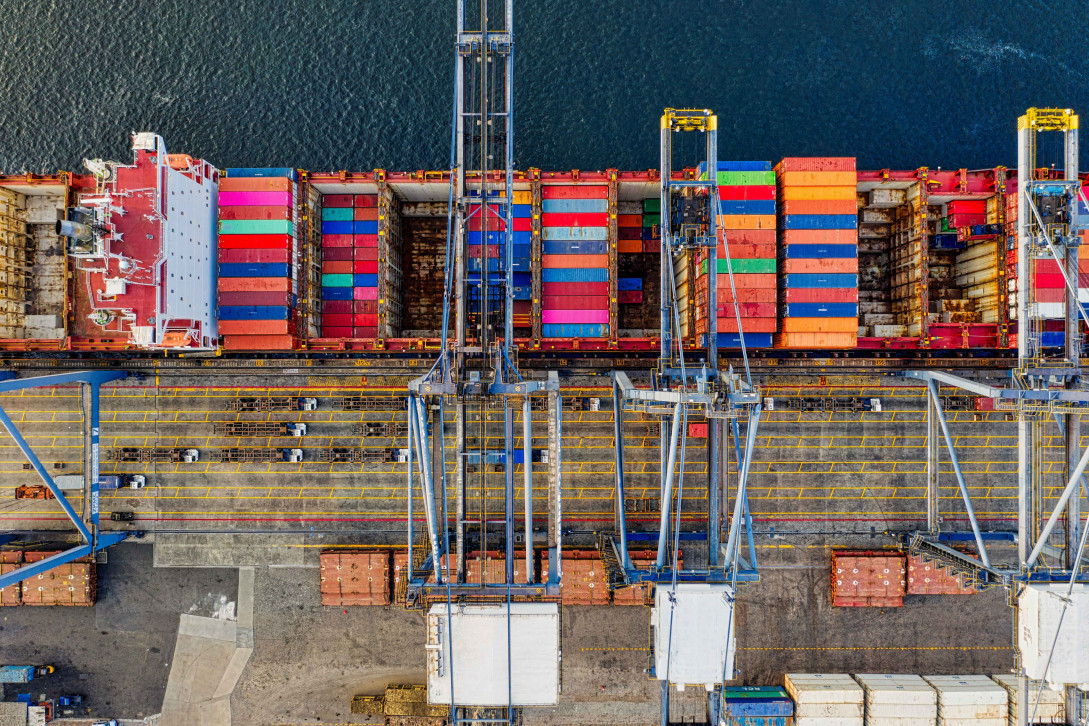
On 16 July 2026, the European Commission and the High Representative for the Common Foreign and Security Policy published a new joint report on the implementation of the Generalised Scheme of Preferences (GSP), the EU’s main trade policy tool to support developing countries’ exports to the bloc.
The report highlights how EU trade relations with developing countries continue to create sustainable economic growth. By granting reduced or zero tariffs on imports from eligible developing countries, the GSP helps partner countries increase exports, attract investment, create jobs and integrate more deeply into the global economy.
Please read here the Joint Report to the European Parliament and the Council on the Generalised Scheme of Preferences covering the period 2023-2025.
At the same time, the scheme promotes sustainable development and encourages compliance with international standards on human rights, labour rights, environmental protection, climate action and good governance.
Trade that creates opportunity
The EU’s Generalised Scheme of Preferences is a unilateral trade arrangement established in line with World Trade Organization rules. It gives eligible developing countries preferential access to the EU market and helps make trade a driver of opportunity, resilience and long-term development.
The scheme supports poverty reduction, helps countries diversify exports and facilitates integration into global value chains.
The EU’s new and updated Generalised Scheme of Preferences (GSP) Regulation was signed on 18 June 2026.
Under the new Regulation, applicable from 1 January 2027, 65 countries will benefit from the EU GSP, representing around 3.7 billion people. The scheme includes three arrangements: Standard GSP, GSP+, and Everything But Arms (EBA) for least developed countries.
A stronger framework for today’s challenges
The updated GSP framework keeps the core architecture of the scheme while responding to evolving global challenges.
Applicable from 1 January 2027 and valid for the next 10 years, the new GSP strengthens the link between trade and international standards, enhances monitoring and transparency, improves safeguards for EU industry and ensures greater predictability for partner countries.
It is stronger, more transparent and more enforceable, while preserving the development focus of the scheme. The revised framework also deepens the link between trade preferences and compliance with international conventions. Beneficiary countries may face withdrawal of preferences if they violate principles related to human rights, labour rights, the environment and climate, or good governance.
The updated framework now covers 32 GSP-relevant conventions, with the Paris Agreement replacing the Kyoto Protocol.
Read the new EU factsheet on GSP.
The EU as a reliable partner for vulnerable countries
The GSP continues to place special emphasis on least developed countries.
Under the Everything But Arms arrangement, 46 countries benefit from duty-free and quota-free access to the EU market for all products except arms and ammunition. The arrangement has no expiry date, providing long-term certainty, encouraging investment and supporting export diversification.
The new framework also helps ensure smoother transitions. Countries graduating from least developed country status will retain EBA preferences for three years, helping avoid sudden tariff increases.
Case study: a small businesses in Armenia
Behind trade rules and tariff preferences, the GSP creates real opportunities.
One example is Haleb, a family confectionery business in Armenia. After returning from Syria, the family built a business rooted in traditional recipes and craftsmanship. Their products later attracted the attention of French patisserie shops interested in importing them.
As the Haleb team explains: "This is where the GSP and REX (Registered Exporter) systems came to our aid.”
By using the GSP and the Registered Exporter (REX) systems, the company was able to offer favourable pricing and simplify exports to France. According to the team, the scheme reduced paperwork and made customs clearance costs almost non-existent.
We are thankful for systems like GSP and REX, because they help small-to-middle businesses like ours in developing countries like Armenia to reach a larger target audience, and ultimately to enter the EU market.
The team from Haleb, a family confectionery business in Armenia
Their experience shows how the GSP can help translate trade policy into real economic opportunity.
The EU continues to support sustainable economic development
The new joint report confirms the continued importance of the GSP as a central EU instrument for supporting developing countries through trade.
By opening its market, promoting international standards and creating predictable opportunities for exporters, the EU continues to demonstrate that trade can support sustainable development, resilience and shared progress.
Through the GSP, the EU remains a reliable partner for developing countries around the world.
Follow the link to learn more about Europe's Offer and discover stories reflecting the core principle of EU foreign policy: lasting stability is built through reliable partnerships.
