
MARSEC EU 26 strengthens Baltic Sea maritime security and critical infrastructure protection

Hosted by the Finnish Border Guard and organised in cooperation with EU Member States and agencies, the exercise provides a platform to strengthen operational readiness and information sharing. Particular emphasis is placed on protecting critical underwater infrastructure, including subsea cables and pipelines, as well as responding to suspicious maritime activity and potential hybrid threats.
Maritime security readiness: a multi-phase exercise
MARSEC EU 26 builds on MARSEC EU 24, held in Spain, and MARSEC EU 25, which took place in Italy. The 2026 exercise adapts the series to the operational environment of the Baltic Sea.
The exercise combines a tabletop exercise (TTX) with two operational phases, LIVEX 1 and LIVEX 2.

Finnish Border Guard, 2026
The tabletop exercise brought together maritime law enforcement authorities, experts and representatives from EU maritime agencies, and coast guards to test national and cross-border responses to a suspicious vessel operating near critical underwater infrastructure. Participants practised information sharing, joint planning and coordinated decision-making. LIVEX 1 focused on information sharing between the command centres of coastal state authorities. The scenario involved a target vessel conducting abnormal activities near undersea cables in the Baltic Sea and North Sea. Participating authorities exchanged information on the vessel's movements and activities to develop a shared maritime picture and coordinate a response, including through the Common Information Sharing Environment (CISE).
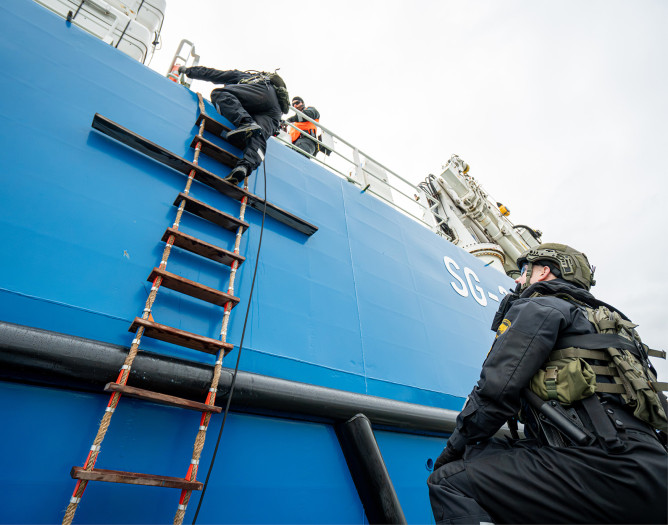
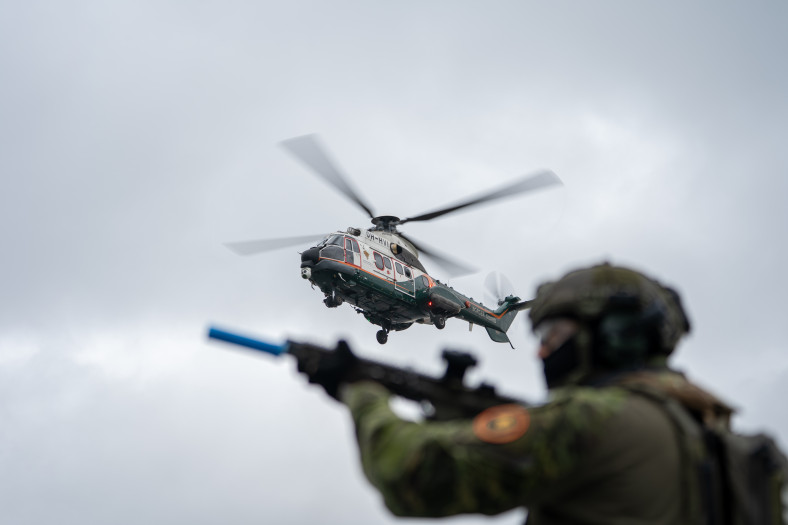
LIVEX 2, conducted from 15 to 17 September, focused on vessel boarding, search and securing operations. The scenario tested the response to a maritime security incident involving potential damage to underwater infrastructure. Participants put the operational chain into practice, covering mission planning, boarding from boats and helicopters, compliant and non-compliant boarding, searching, first aid, evacuation, firefighting, hazardous-space operations, and taking control of and safely steering the vessel.

Finnish Border Guard, 2026
Cooperation across the maritime security community
MARSEC EU 26 demonstrated the importance of cooperation between military, law enforcement, civilian and commercial actors.
The Finnish Border Guard led the exercise in cooperation with other Finnish authorities, the Polish Border Guard, and EU agencies including Frontex and EMSA. The Finnish Defence Forces, Police, and emergency healthcare and rescue authorities also participated. The French Navy participated in a preparatory phase of the exercise.

Finnish Border Guard, 2026
Commercial shipping was an important element of the exercise. Finnlines participated in LIVEX 1, while Arctia provided the icebreaker Polaris as the target vessel for LIVEX 2. Their involvement showed how commercial vessels can contribute to maritime situational awareness and strengthen resilience at sea.
Implementing the EU Maritime Security Strategy
MARSEC EU 26 is a concrete outcome of the implementation of the EU Maritime Security Strategy, revised in 2023. The exercise contributes to the Strategy's objectives by strengthening operational readiness and interoperability, improving information sharing between Member States and EU agencies, and testing responses to hybrid threats and risks to critical infrastructure.
It also provides an opportunity to identify lessons that can inform future exercises and real-world operations. Carrying out joint training in a realistic environment enables the various authorities taking part to develop a common understanding of the procedures and capabilities, thus leading to more effective and safer operations.
Protecting critical underwater infrastructure
The Baltic Sea is home to important undersea cables, pipelines and other vital infrastructure and their protection forms an essential element of European security and resilience.
MARSEC EU 26 is also in line with the objectives of the EU Action Plan on Cable Security by testing the Integrated Surveillance Mechanism (ISM), coordinated by the Finnish Border Guard. The ISM serves as a regional hub for maritime security cooperation in the Baltic Sea, supporting maritime situational awareness and information exchange among relevant authorities and maritime stakeholders.
MARSEC EU 26 in images
-
Image
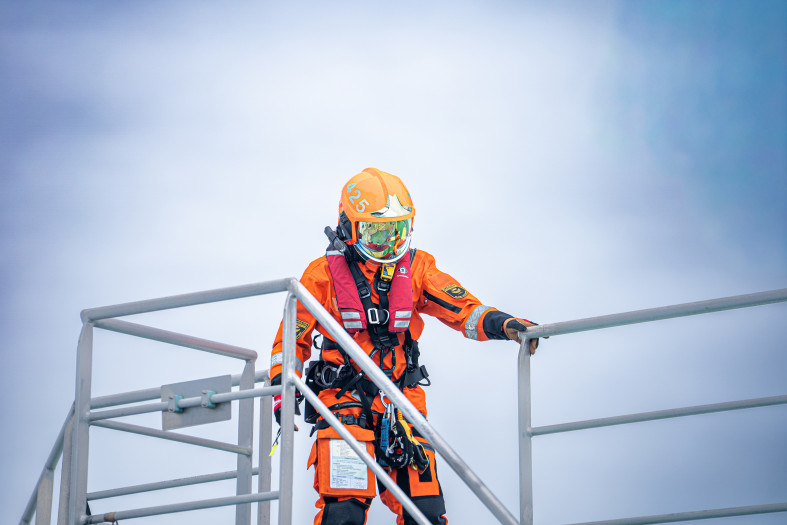
Finnish Border Guard, 2026
-
Image
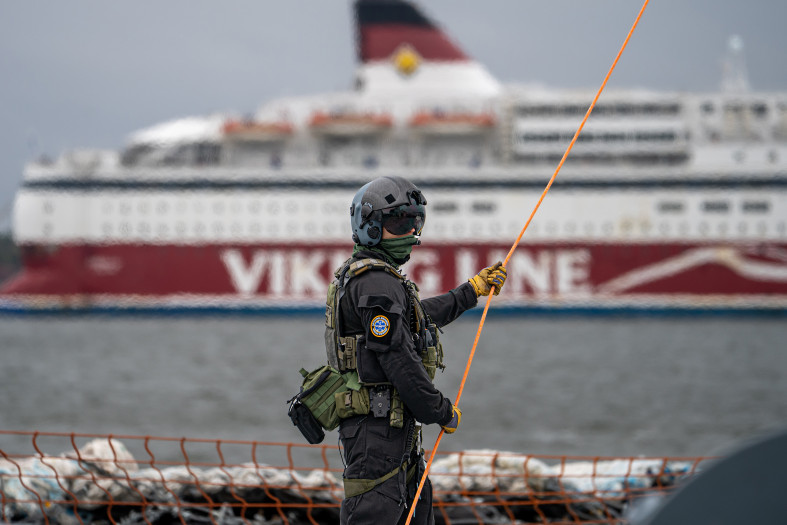
Finnish Border Guard, 2026
-
Image
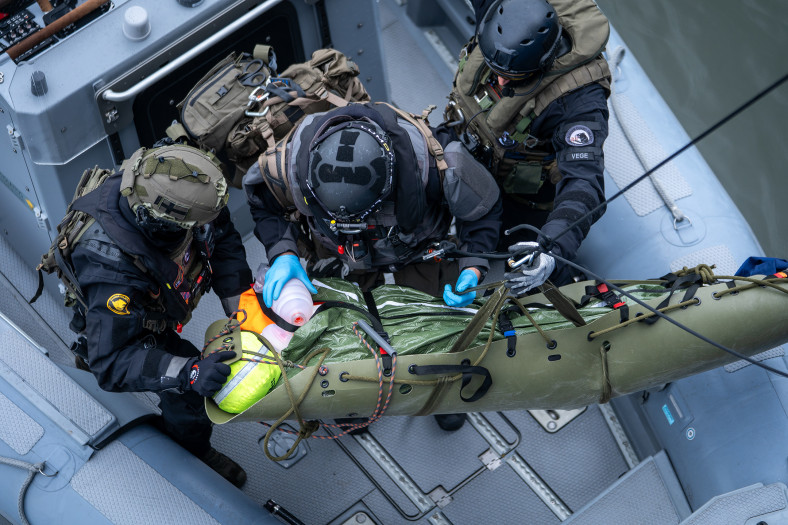
Finnish Border Guard, 2026
-
Image
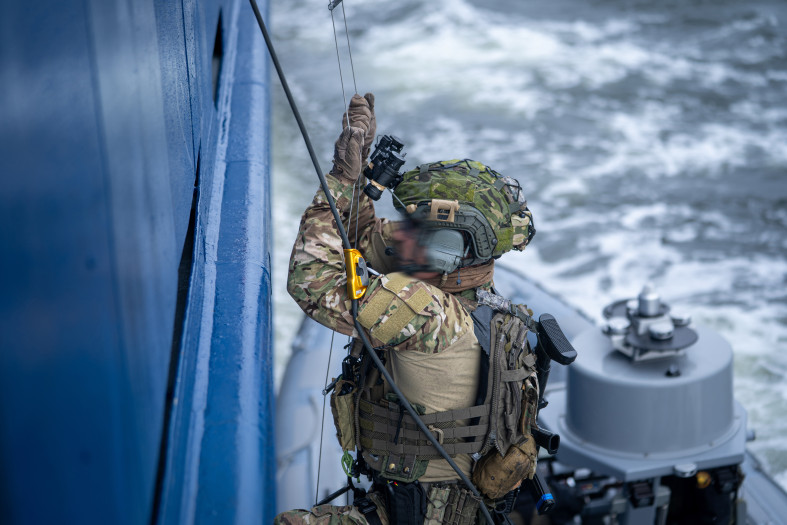
Finnish Border Guard, 2026
-
Image
Finnish Border Guard, 2026
-
Image
Finnish Border Guard, 2026