EU and SADC regional integration and development
The European Union supports SADC’s ambitions of economic and political agenda because both believe in the power of regional integration.
EU & the Southern Africa Development Community
Home to 350m people, the Southern Africa Development Community (SADC) is a group of 16 countries which works together to boost their economies, strengthen their bonds and create a more peaceful and secure future.

European Union
SADC Member States include Angola, Botswana, Comoros, DRC, Eswatini, Lesotho, Madagascar, Malawi, Mauritius, Mozambique, Namibia, Seychelles, South Africa, Tanzania, Zambia, and Zimbabwe.
SADC is shaping a more prosperous Southern Africa region through sustainable and inclusive development. The SADC community plays a crucial role in shaping the economic growth, stability and development of the whole region.
The European Union supports SADC’s ambitions of economic competitiveness and political influence in the Southern African region. Both organisations believe in the power of regional integration to improve the lives of all citizens.
A Strong, Multi-Faceted Relationship
The EU-SADC relationship reflects the growing importance of SADC as a regional leader. It includes not only trade, economic integration and infrastructure development but is evolving into a broad and dynamic engagement with elements of political dialogue, peace and security, environmental sustainability, and digital transformation.
Regular Ministerial and Senior Officials Meetings facilitate open and constructive engagement, reinforcing mutual priorities such as:
- Regional Economic Integration
- Peace and Security
- Natural Resource Management
- Institutional Capacity Building
These priorities align with SADC’s Regional Indicative Strategic Development Plan (2020-2030) and Vision 2050, emphasising the region’s aspirations and potential for growth and sustainability.
-
Image
 Copyright
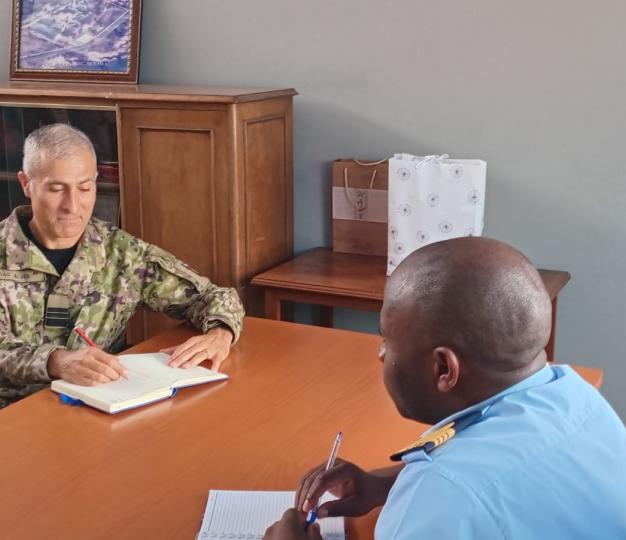
European Union Military Assistance Mission in Mozambique, 2025
Security and Stability: A Joint Effort
The EU actively supports the crucial role SADC plays in maintaining regional peace and security. In particular, in addressing armed violence in Cabo Delgado, Mozambique, where SADC forces (SAMIM) were deployed in 2021-2024.
The EU provided €15m for non-lethal military equipment and €1.9m for peacebuilding initiatives. Follow the link to learn more about the EUMAM Mozambique mission.
Trade and Economic Growth
The EU maintains robust trade relations with SADC Member States through Economic Partnership Agreements (EPAs).
- Botswana, Lesotho, Mozambique, Namibia, South Africa, and Eswatini benefit from a full EPA with the EU. Angola has an option to join the agreement in future.
- Comoros, Madagascar, Mauritius, Seychelles, and Zimbabwe are part of an interim EPA, with negotiations underway for further deepening.
These agreements facilitate trade, economic diversification, and investment, helping SADC countries integrate into global markets.
Key EU-Funded Projects
The EU funds several strategic programmes to enhance economic integration, governance, and sustainability in the SADC region.
- Support to Peace and Security in the SADC Region (SPSS) (€15m, 2018-2023): Enhancing SADC’s capacity for electoral assistance, gender-sensitive conflict prevention, management and resolution, and combatting sexual and gender-based violence. This project also aims to improve cross-border security in the region.
- Enhancing the Capability and Effectiveness of SADC’s Peace and Security (ECESPA) (€12.8m, 2024-2028): Strengthening SADC’s Peace and Security framework by enabling early response and action and enhancing the role of non-state actors. This initiative reinforces peace, security, stability and democracy as the foundations for regional integration and development, in line with the Regional Indicative Strategic Plan (RISDP, 2020-2030) and SADC’s Vision 2050.
- EU-SADC Trade Facilitation Programme (TFP) (€15m, 2019-2025): Reducing trade barriers and facilitating the harmonisation and recognition of trade tools to boost intra-regional and international trade and maximise the benefits of the EU-SADC EPA.
- Africa Trade Competitiveness and Market Access Programme (SADC component) (€25m): Enhancing trade competitiveness of SADC Member States and supporting SMEs in key value chains to create jobs, strengthen intra-regional trade, and promote sustainable trade.
- Trade in Services Programme (€4.4m): Supporting the implementation of the SADC protocol on trade in services toward a progressive and negotiated removal of barriers to the free movement of services in the region, including through digital platforms.
- EU Support to Improving the Investment and Business Environment in SADC (SIBE) (€14m, 2019-2025): Enhancing the investment climate and attracting FDI in non-extractive sectors by removing business barriers and improving investment regulations, while harmonising financial markets and promoting financial inclusion.
- Trade and Transport Facilitation Measures for Strategic Corridors in Africa (€56m): As a fundamental component of the Global Gateway strategy in Africa, this initiative improves connectivity along vital corridors such as Durban-Lubumbashi, Maputo-Gaborone-Walvis Bay, and Lobito (Angola-Zambia-DRC), by making mobility and trade more sustainable, resilient, safe and secure. It also facilitates concrete investments in infrastructures under the Global Gateway Investment Package.
- Support to the Operationalisation of the SADC Regional Agricultural Policy (RAP) Project (€9m, 2017-2025): Boosting agricultural productivity, competitiveness, and food security by implementing the regional Food and Nutrition Security Strategy, strengthening evidence-based decision-making, and improving market access through regional pest and disease control.
-
Transition to Sustainable Food Systems in Africa (€10m): This initiative promotes a climate-sensitive, inclusive and sustainable transformation of agriculture and food systems in Southern Africa. It focuses on research, market access, and capacity building for farmers, associations, and authorities to meet Phyto-Sanitary (SPS) standards and adopt sustainable innovations and agro-ecological practices.
- Climate Services and Related Applications Programme in the SADC region (ClimSA) (€8m, 2019-2024): Supporting SADC countries in adapting to climate change by enhancing climate prediction, improving access to climate information, and strengthening regional and national capacity for climate-informed decision-making.
- Global Climate Change Alliance Plus (GCCA+) in the SADC Region (€8m, 2020-2024): Strengthening SADC countries’ capacity to tackle climate change by supporting adaptation and mitigation actions and projects, supporting the implementation of the Paris Agreement, and fostering innovation through universities and research centres.
- Safe Digital Boost for Africa(€20m): Promoting sustainable trade and digital transformation in Southern Africa, focusing on eCommerce, ePayments and eGovernance, towards an African single digital market within a robust cybersecurity environment.
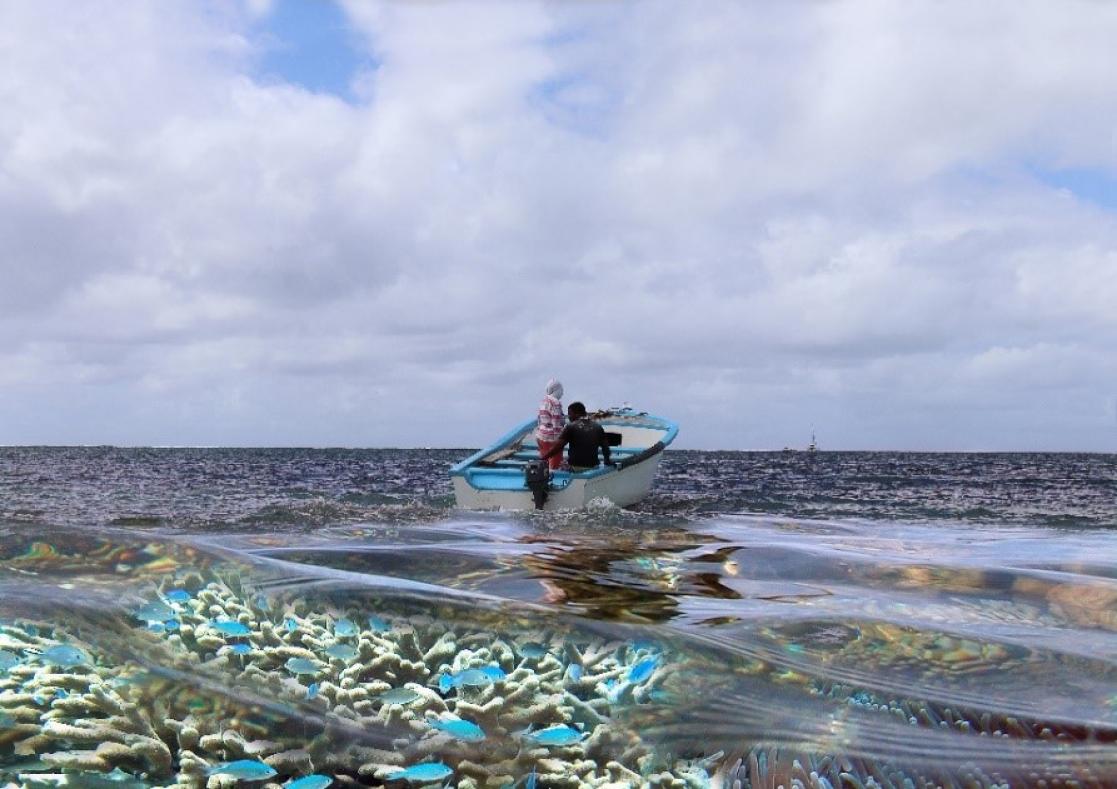
- NaturAfrica(€33m): A Global Gateway flagship, this programme tackles biodiversity loss by restoring and protecting ecosystems and protected areas and promoting the sustainable management of surrounding landscapes, while creating decent incomes and jobs in green sectors for local populations.
- Extended Institutional Capacity Buildingfor the SADC Secretariat and National Stakeholders(EICB) (€2.5m, 2024-2027): This programme is the successor to the EU-funded Integrated Institutional Capacity Building for the SADC Secretariat and National Stakeholders (IICB) programme. It aims to strengthen SADC’s institutional capacity, improve governance systems, and enhance coordination between the SADC Secretariat and its Member States on one hand, and between SADC institutions and national structures on the other, in order to advance regional integration.
- Technical Cooperation Facility (TCF) (€3.6m): Providing ad hoc support to the SADC Secretariat through studies, evaluations, and short-term advisory services to address capacity gaps and advance the EU-SADC Regional Indicative Programme.
- Disaster Risk Management Strengthening in SADC (DRMSS) (€4.625m, 2023-2027): Strengthening regional preparedness and response to assist SADC Member States affected by disasters by improving early warning systems, response planning and coordination of humanitarian actions. This initiative supports the SADC Humanitarian and Emergency Operation Centre (SHOC) in Mozambique, providing it with tools, training, and specialised equipment for its operation.
European Union
-
Image
 Copyright
European Union
A Shared Future
The EU and SADC are united in their commitment to advancing regional development, stability, and sustainability. By promoting economic growth, improving governance, and tackling environmental challenges, their cooperation is fostering a more resilient, integrated Southern Africa – one that is globally competitive and responsive to the needs of its people. Together, the EU and SADC are building a future where regional collaboration delivers meaningful benefits toms of citizens across the region.
- For more detailed information on EU-SADC relations, please visit the websiteDelegation of the European Union to Botswana and SADC.
You may also visit the following links: