
EU and ASEAN participate in Mangroves Restoration Effort for a Sustainable Future
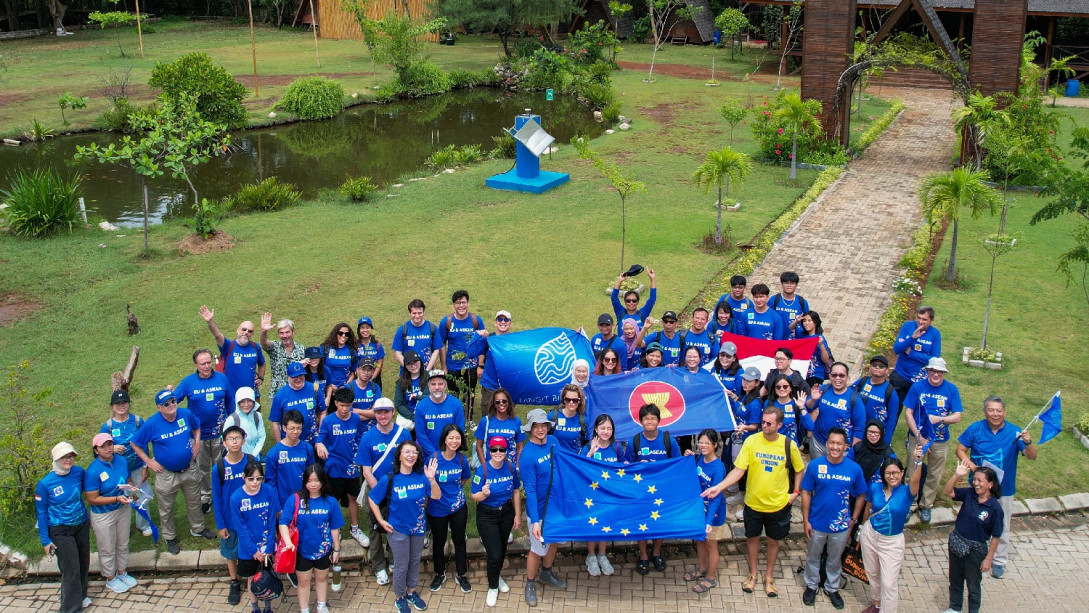
EU and ASEAN participate in Mangroves Restoration Effort for a Sustainable Future
Jakarta, 13 November 2025 – Mangroves play a vital role in maintaining the balance of coastal ecosystems. Beyond serving as habitats for fish and other marine species, mangrove forests act as natural barriers against coastal erosion, absorb significant amounts of carbon, and contribute to food security and the economic well-being of coastal communities.
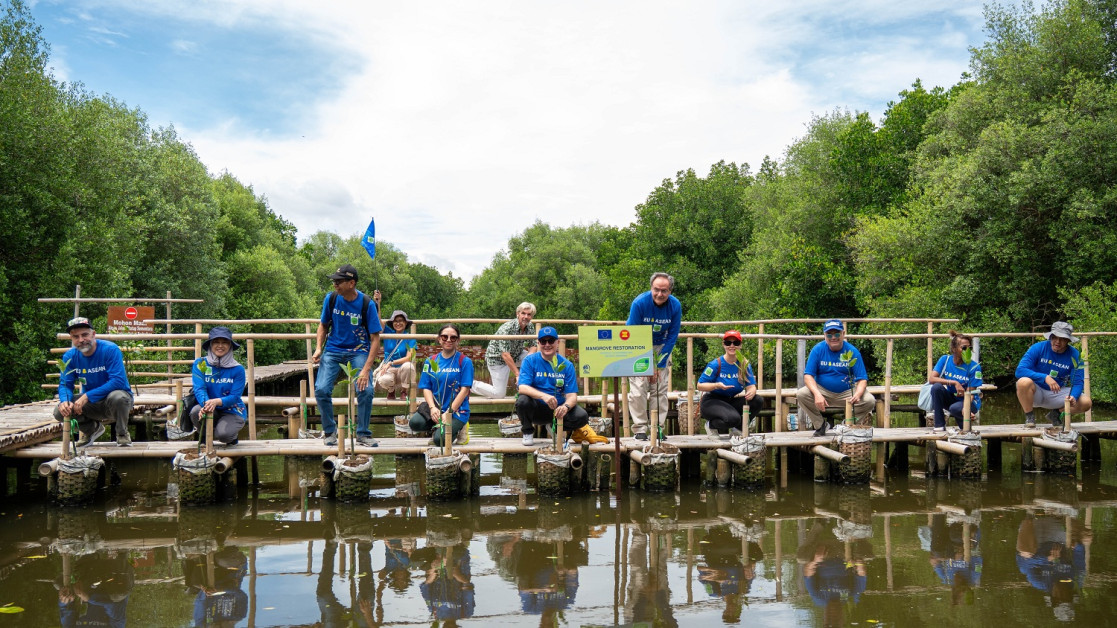
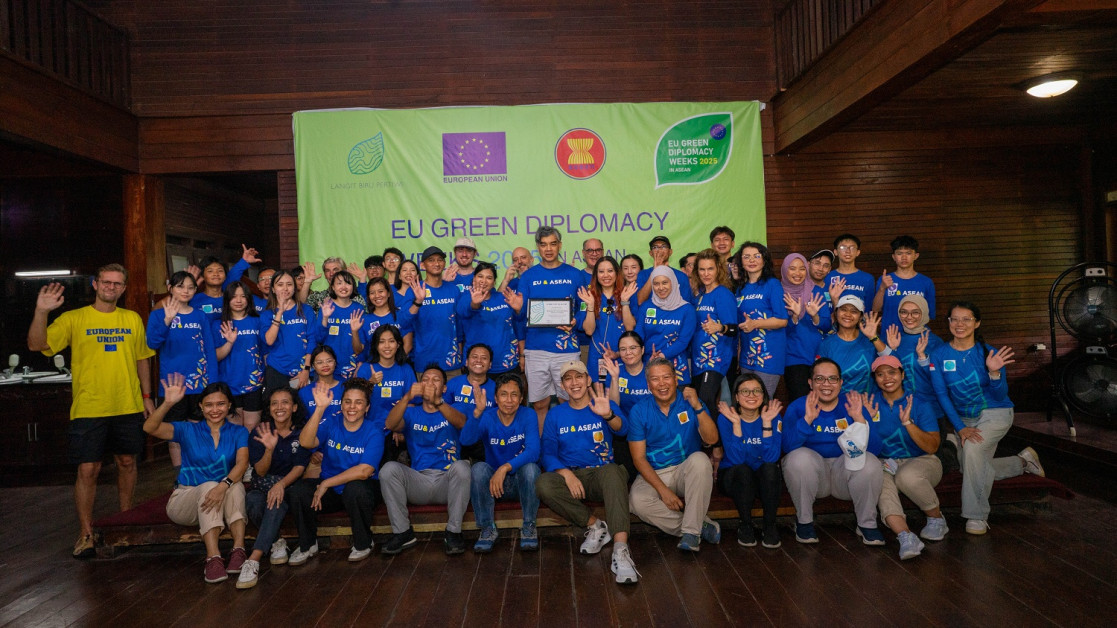
As part of the European Union (EU) and ASEAN’s shared commitment to preserving coastal ecosystems, the EU organised an “EU-ASEAN Mangrove Planting for a Sustainable Future” at the Angke Kapuk Nature Reserve in North Jakarta. The initiative forms part of the EU Green Diplomacy Weeks 2025 in ASEAN, underscoring the EU’s dedication to environmental sustainability and tangible actions to combat climate change.
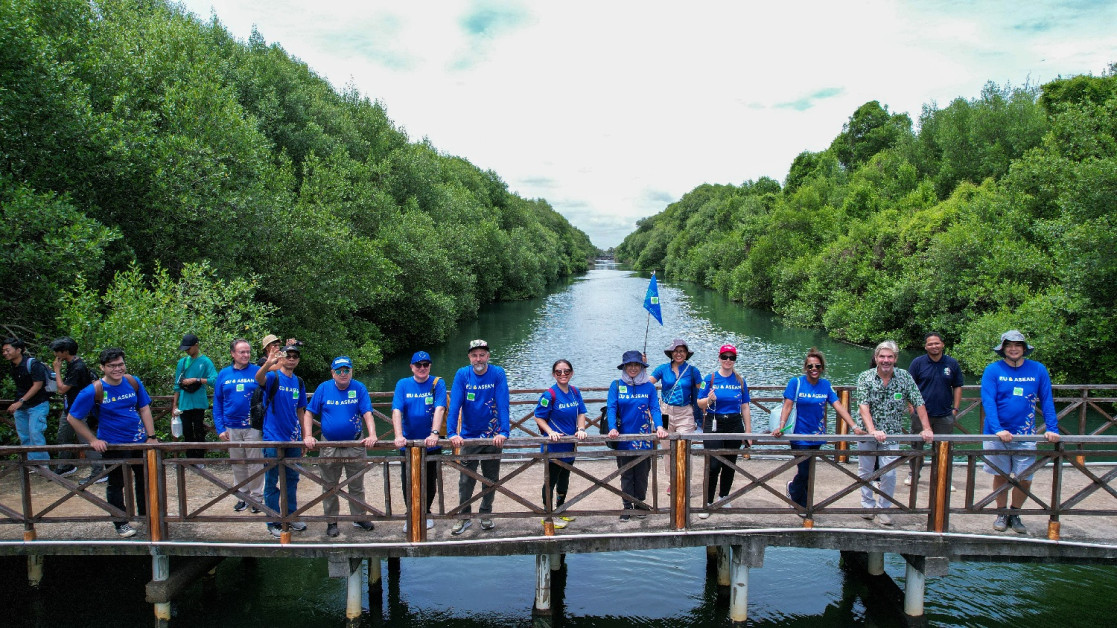
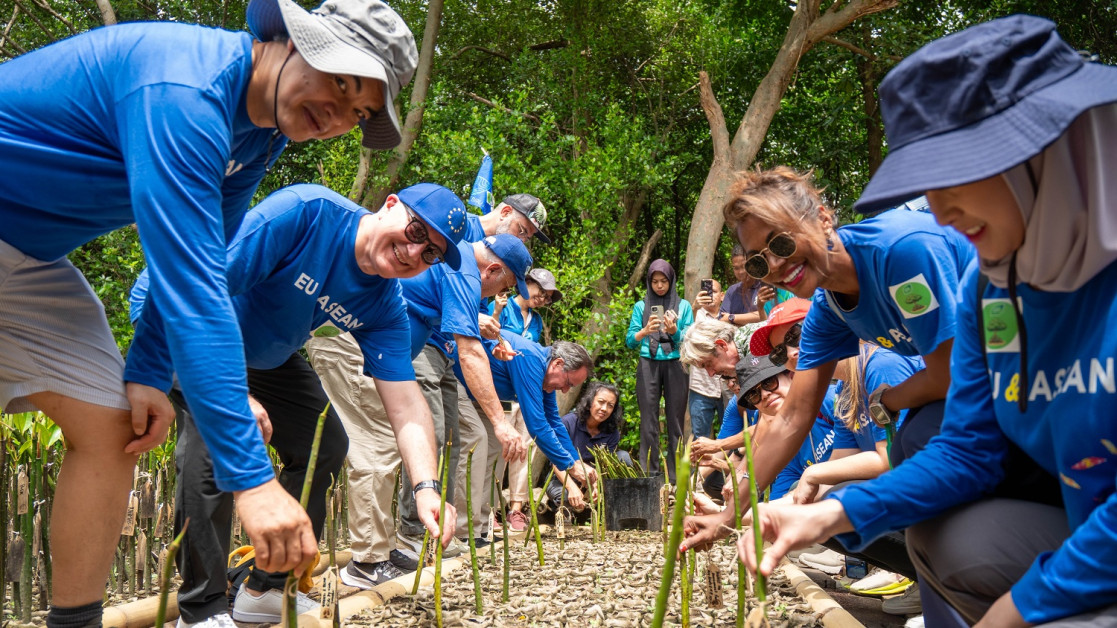
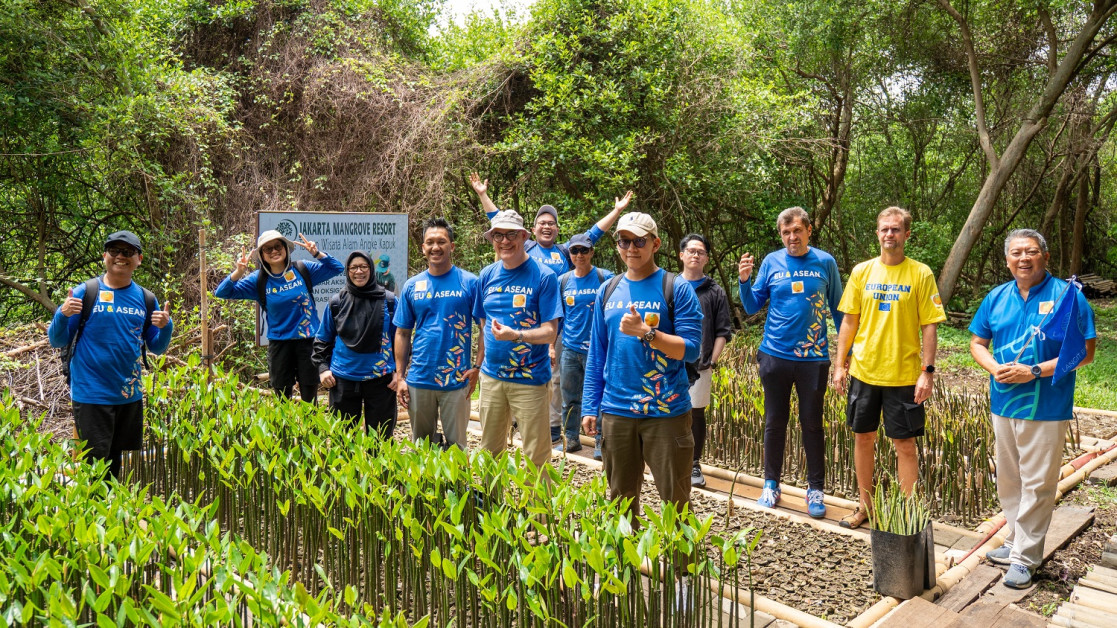
The Mangrove planting brought together around 80 participants, including representatives of the EU Mission to ASEAN, the EU Member States, ASEAN Member States and the ASEAN Secretariat, as well as students and youth representatives, who together planted hundreds of mangrove seedlings in the Angke Kapuk conservation area North Jakarta.
“Through this initiative, the European Union aimed to demonstrate that green diplomacy is not mere rhetoric, but a concrete commitment to protecting the planet’s future,” said H.E. Sujiro Seam, the EU Ambassador to ASEAN. “Mangrove restoration represents a long-term investment in both the environment and the communities that depend on it. We believe that cross-border collaboration can amplify the impact of sustainability at the local level,” he added.
The mangrove planting activity served several key objectives:
-
To reaffirm the EU–ASEAN commitment to environmental sustainability;
-
To raise awareness of the importance of mangrove ecosystems in mitigating climate change;
-
To provide participants with hands-on experience in real-world conservation practices; and
-
To strengthen collaboration among countries and communities in advancing sustainable development.
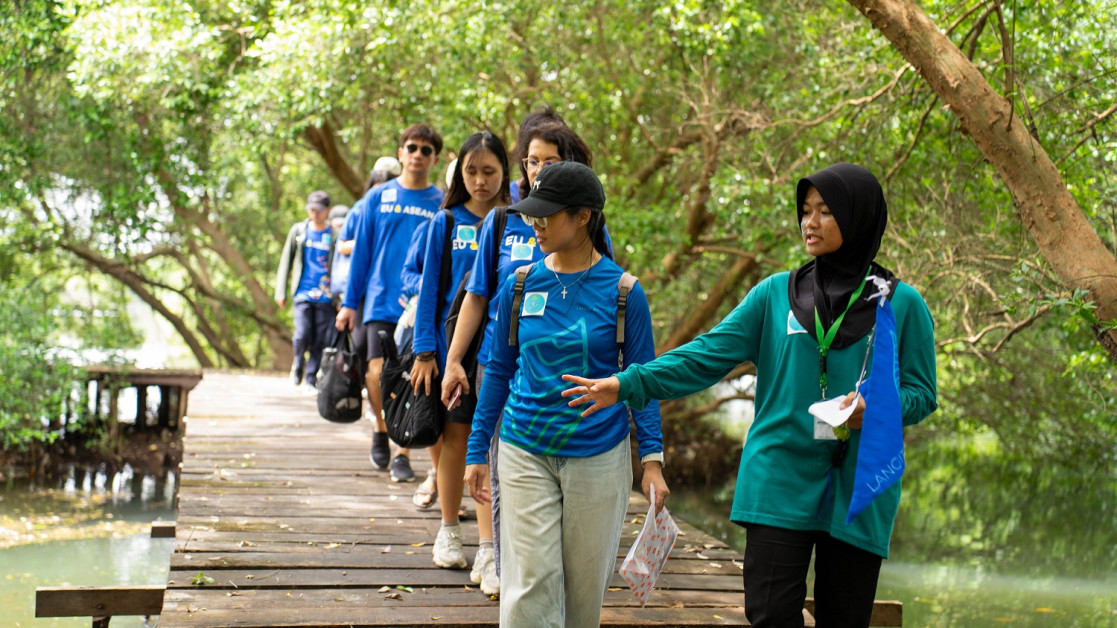
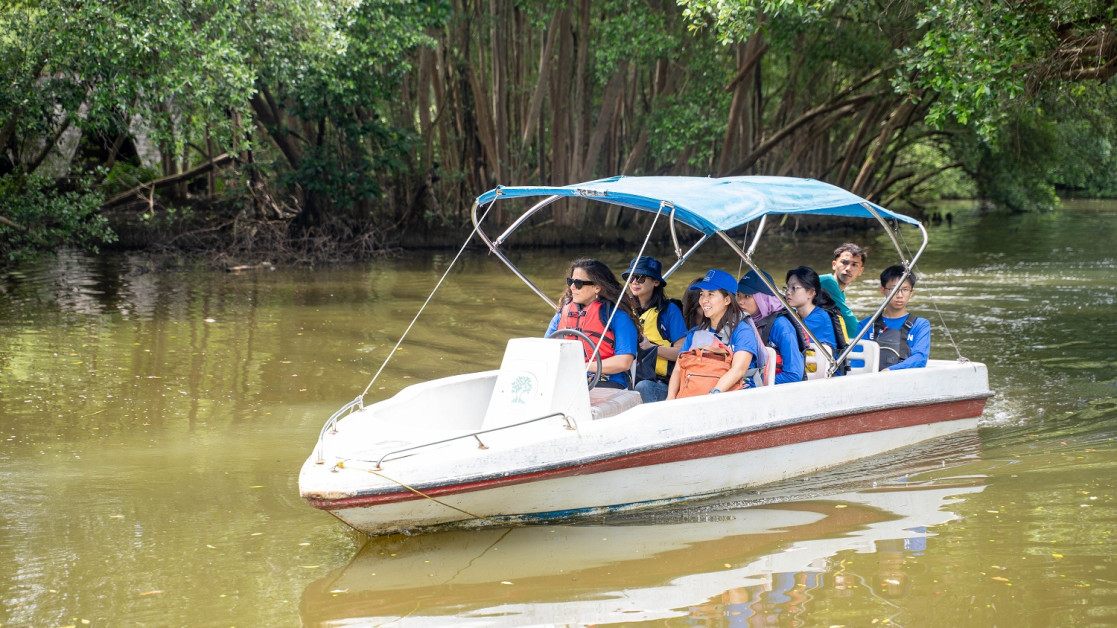
The programme began with an educational session on the various species of mangroves and environmentally responsible planting techniques. Participants then joined local conservation teams to plant mangrove seedlings in designated areas. The event also featured a guided tour highlighting coastal biodiversity and an “Eco Talks” discussion under the theme “Green Future, Shared Responsibility.”
Through this mangrove planting activity, the EU and ASEAN participants showed that environmental action is a shared global responsibility that starts with everyone. The mangrove planting activity serves not only as a symbol of environmental concern but also as a social and ecological investment for the future of coastal communities in Indonesia and the planet at large.
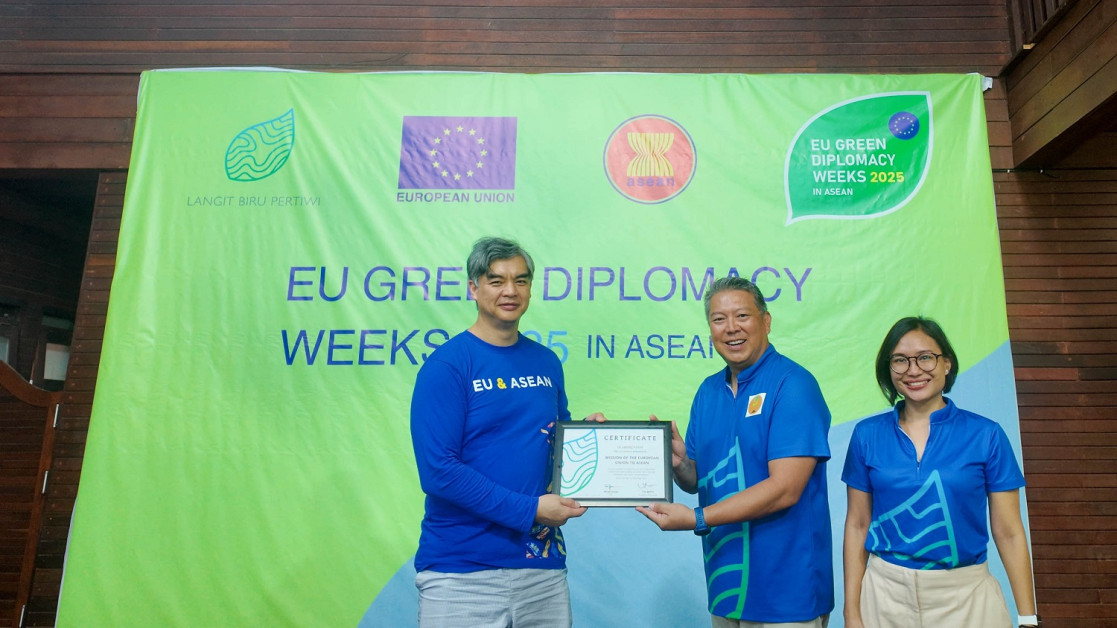
This initiative was carried out in collaboration with Langit Biru Pertiwi. Through this collaboration, Langit Biru Pertiwi hopes to inspire broader participation in preserving coastal ecosystems. This collective effort is expected to strengthen ecosystem sustainability while delivering long-term benefits for future generations.
“We hope that initiatives like this will inspire more stakeholders to take meaningful action in protecting the environment and ensuring a sustainable future for generations to come,” concluded H.E. Sujiro Seam.
EU
EU
EU
EU
EU
EU
EU

EU
EU