
The European Union continues supporting people with disabilities in Afghanistan
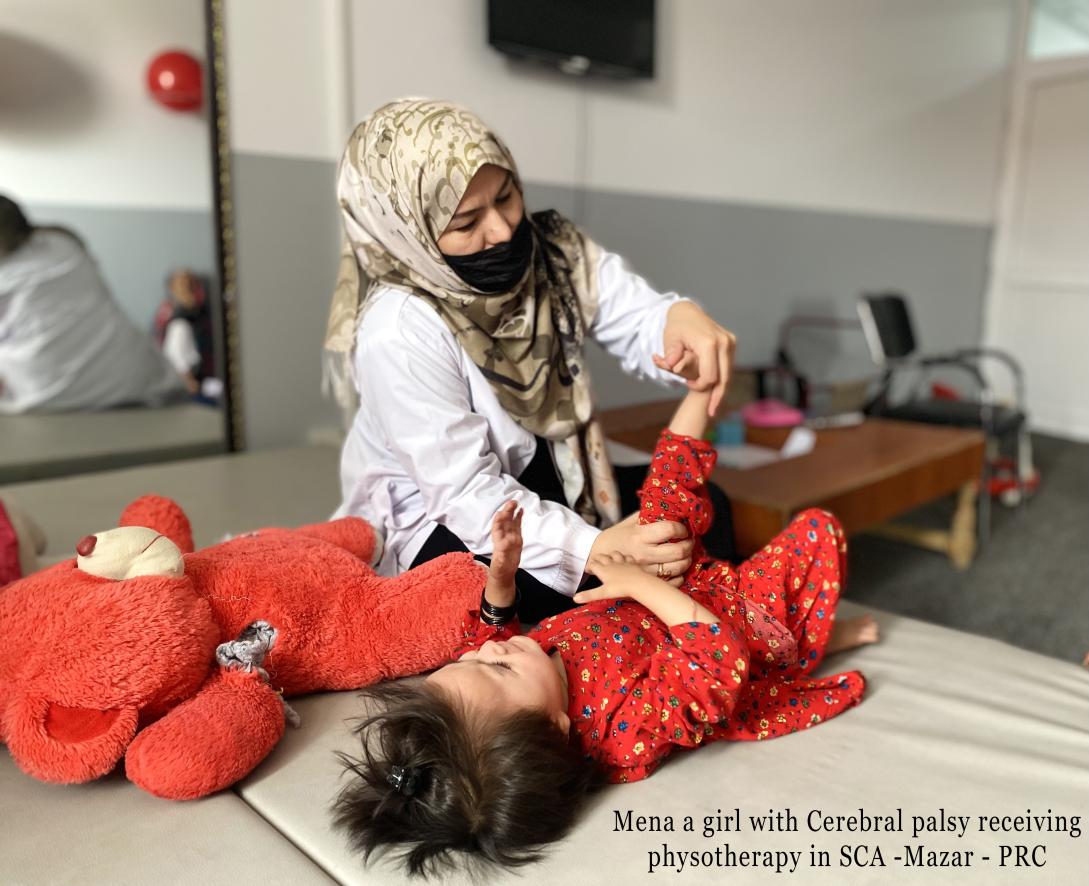
The European Union is providing €5 million to Handicap International and the Swedish Committee for Afghanistan to address urgent needs of Afghans coping with disabilities. Building on previous partnership between the EU and the two NGOs, the project ensures that the most vulnerable population in Afghan provinces of Kandahar, Balkh, Bamyan and Herat have continued access to physical rehabilitation services.
“Years of violent conflict, economic crisis and natural disasters have left its mark on Afghanistan, a country that tragically shows one of the world’s highest rates of people with disabilities. The European Union is committed to assist Afghans together with its partners. Rehabilitation as an integral part of health care can make a real difference for those millions who live with disabilities.” – Raffaella Iodice, EU Chargée d’Affaires a.i., EU Delegation to Afghanistan
“Thanks to this partnership with the EU, the project will manage to address the urgent needs of those most disadvantaged and unable to access basic rehabilitation services, thus deterring recurring negative coping mechanisms to survive and access health assistance.” – Yuban Malla, Handicap International Afghanistan
“The Swedish Committee for Afghanistan’s is committed to protect and promote the rights of persons with disabilities in Afghanistan, including girls, boys, men, and women with disabilities through providing equal opportunities, improving their skills and knowledge, and physical well-being.” – Aminulhaq Mayel, Swedish Committee for Afghanistan
The programme seeks to support children, women and men with disabilities and those most at risk of developing medium to long-term impairments. It provides access to quality, free of cost rehabilitation services. Handicap International and the Swedish Committee for Afghanistan are jointly implementing the programme to run until summer 2025.
Background
80% of adults live with some form of disability, while also 17% of children aged 2 and 17 are affected. Over 2 million Afghans, many of which are women, children and teenagers live with severe disabilities. Accidents, unexploded mines and explosive ordinance repeatedly lead to severe injuries, vision or hearing problems and post-traumatic stress disorder. Physical rehabilitation services and access to assistive devices remain key in helping those affected. Whereas access to functional physical rehabilitation services and availability of physical rehabilitation professionals at all levels are very limited, international assistance focusing on the specific care provision can make a real difference to those affected.
Further information:
Tim Gillmair at Delegation-Afghanistan-Press@eeas.europa.eu
Press and Information Officer
EU Delegation to Afghanistan
Yuban Malla at y.malla@hi.org
Operations Manager
HI Afghanistan
Mohammad Amin Qanet at amin.qanet@sca.org.af
Head of Disability Programme
Swedish Committee for Afghanistan