World Press Freedom Day 2021: EU Ambassador commends Eswatini journalists for their role in information dissemination despite COVID-19
Proclaimed by the UN General Assembly in December 1993, World Press Freedom Day is celebrated worldwide on 3 May to commemorate the signing in 1991 of the Windhoek Declaration which sought to promote and protect media freedom. This year’s event marked the 30th anniversary of the Windhoek Declaration.
The day itself acts as a reminder to governments, including Eswatini, of the need to respect their commitment, made in the Windhoek Declaration, to promote and protect issues of press freedom. Journalists and other media professionals themselves, who are at the centre of press freedom, also use the day to reflect on issues of professional ethics and the fundamental principles of media freedom.
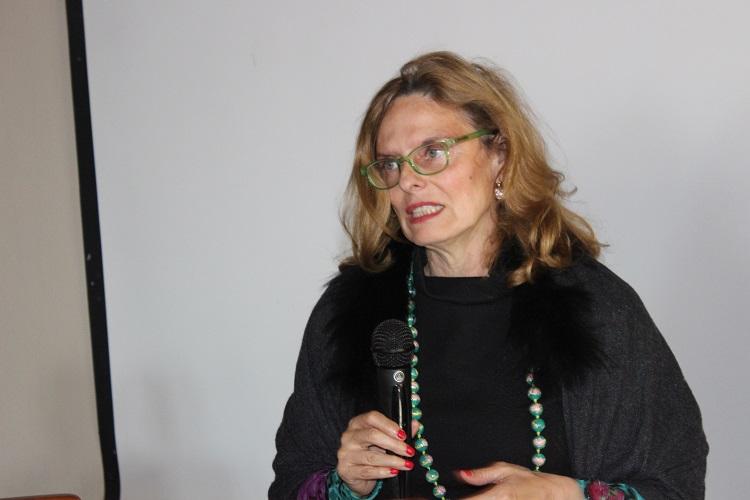
In her speech to the Eswatini editors and journalists, Ambassador Hernandez Aragones, paid tribute to all journalists in the country for their bravery in continuing to do their work of providing the much-needed information to the public despite the COVID-19 pandemic.
The Ambassador said by continuing to their job in the midst of the pandemic, journalists have been able to give a voice to the voiceless as well as provide the necessary information to help fight the pandemic.
“Journalists are also pivotal in facilitating the debate on how societies can better address the challenges they are facing. Ultimately, their work adds to a safer, more prosperous and more sustainable society,” said the Ambassador.
She also commended the government of Eswatini for making significant progress recently in addressing issues of press freedom, highlighting as an example the recent tabling in Parliament of the Eswatini Broadcasting Bill of 2019 which seeks to introduce independent radio and TV stations. She said this Bill was good news to community radio stations some of which have waited for over 20 years for licences.
The Ambassador added that the Broadcasting Bill was also a significant step for Eswatini towards freeing the airwaves, highlighting that the country was the only one in SADC which is yet to liberate its airwaves.
However, whilst commending the government for such progress, the Ambassador decried that journalists in Eswatini still have to contend with restrictive policies and laws which curb freedom of expression and the press. She cited as an example the recent Computer Crime and Cybercrime Bill of 2020 which provides for harsh penalties for online journalists who publish what the government would classify as fake news. The Ambassador said such a Bill was inevitably a threat to media freedom in the country.
She concluded by saying the EU values issues of freedom of expression and the media and as such the EU would continue to speak up against any restrictions that seek to unfairly limit freedom of expression, both online and offline.
MORE STORIES