
From Nature to Livelihoods: Why Kosovo’s Forests Matter for All
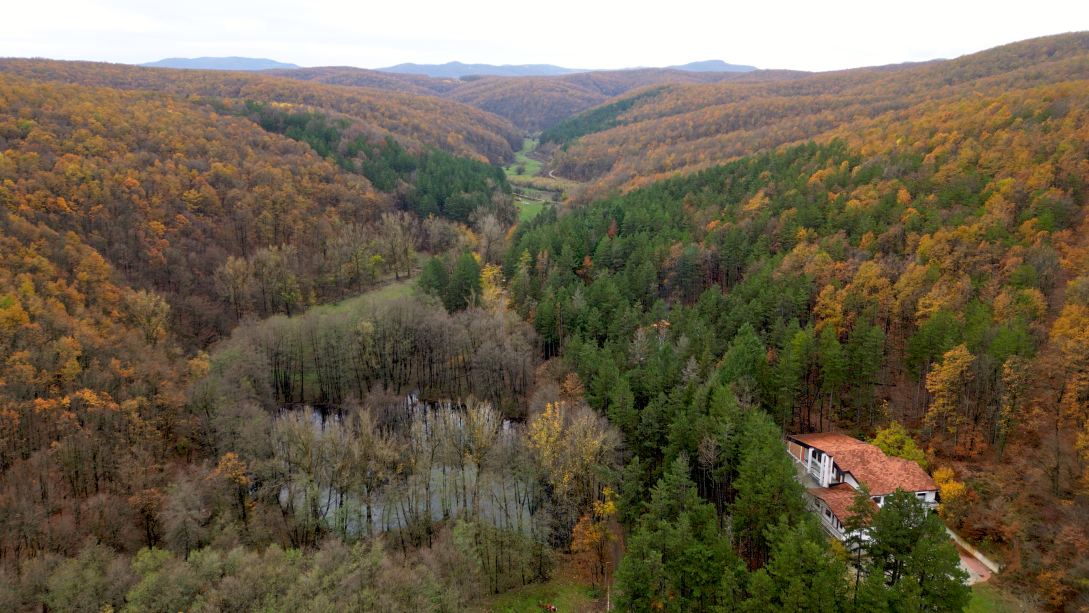
Forests cover nearly half of Kosovo’s territory and shape its landscapes, livelihoods, and long-term development. For generations they have safeguarded water, buffered climate impacts, supported biodiversity, and sustained rural incomes. As environmental pressures rise, forests remain one of Kosovo’s most valuable assets requiring protection and responsible use.
Forestry is also an integral part of Kosovo’s social and economic pillar. Forests regulate water, prevent soil erosion, store carbon, and support diverse species. For rural families, they provide firewood, non-wood forest products, and employment, while supporting tourism and wood processing. The future of Kosovo’s forests is closely tied to the well-being of its people. This is why the European Union and Sweden supported the forestry sector in Kosovo, recognising its importance for sustainable natural resource management, rural development and environmental protection.
Challenges of sustainable forest management
Kosovo faces major barriers to sustainable, evidence-based forest management. The Kosovo Forest Agency (KFA) operates with limited technical capacity and outdated infrastructure, leaving gaps in planning, monitoring, and enforcement.
Legal forest utilization remains low, while informal harvesting puts significant pressure on ecosystems, undermines regeneration, and affects biodiversity, soils, and watershed stability. Climate change further increases fire risks, pest outbreaks, and extreme weather.
The EU- and Sweden-funded Forestry Programme implemented by FAO has advanced critical reforms. It supported development of the Forestry Strategy 2022–2030 and Action Plan, along with key administrative instructions aligned with EU standards. Institutional transparency improved through upgrading and operationalizing the Kosovo Forest Information System (KFIS). The Programme also introduced a new forest management planning methodology, shifting from timber-focused to multipurpose, ecosystem-based management.
Monitoring and law enforcement were strengthened through drones, GPS devices, and cameras. The Programme supported the launch of the third National Forest Inventory to generate essential data for future decision-making. It advanced sustainable wildlife management, improved forest health monitoring using biological control methods, and strengthened seedling production and afforestation through native species and close-to-nature approaches. Fire-response capacities were enhanced through training, tools, and equipment.
Together, these steps support a modern, resilient forestry sector capable of protecting forests while generating environmental, social, and economic benefits.
Forest damage and illegal logging
Illegal logging remains one of the most serious threats, damaging habitats, reducing Kosovo's revenue, and widening rural inequalities. Progress requires consistent law enforcement, coordinated institutions, more technical staff, adequate fundings, and stronger public engagement. Successful forest management depends on public trust and shared responsibility.
Multi-purpose forest management – a path to prosperity
Kosovo’s forests hold significant economic potential when environmental, social, and economic functions are balanced. The Programme has supported modern forest management plans and pilot initiatives such as demonstration plots, restoration of degraded areas, community-based forestry, and promotion of non-wood forest products, showing that sustainable forest management is a long-term investment.
Forestry-based value chain development – creating rural opportunities
Forestry is central to Kosovo’s green economic transition. Although its contribution to GDP, employment, and Kosovo's revenue is uncertain, FAO-supported analysis shows that improved value chains could generate 8,500–13,500 jobs and EUR 60–100 million (0.9–1.4 percent of GDP) annually. In Sweden, there are approximately 140 000 jobs in this sector and in all EU Member States around 3,6 million jobs. For Kosovo to achieve similar progress it requires targeted government support, awareness-raising, and stronger skills among forest users.
Law enforcement and institutional reform
Sustainable forestry requires accountable and well-resourced institutions. Kosovo must strengthen KFA staffing, budgets, coordination, and management practices. With the support of the Programme, a new Forestry Law and associated regulations were prepared that are aligned with EU standards. This creates a stronger basis for transparency, law enforcement, private-sector development, and community engagement.
A shared responsibility for future generations
The future of Kosovo’s forests depends on today’s decisions. Greater government commitment and collective responsibility are needed to safeguard this national asset. In this context, we encourage the Government of Kosovo to build on the foundations already laid by adopting the remaining secondary legislation under the Forestry Law and ensuring its consistent, transparent implementation. This includes adequately resourcing the Kosovo Forest Agency, strengthening inter-institutional coordination, and applying the tools, data, and methodologies developed through EU and Sweden supported programme. By integrating these deliverables into national policy and practice, Kosovo can translate reforms into results on the ground and advance forestry as a strategic sector that protects nature, supports livelihoods, and contributes to long-term resilience and EU aligned development.