
Montenegro still lacks leadership to lead country into EU
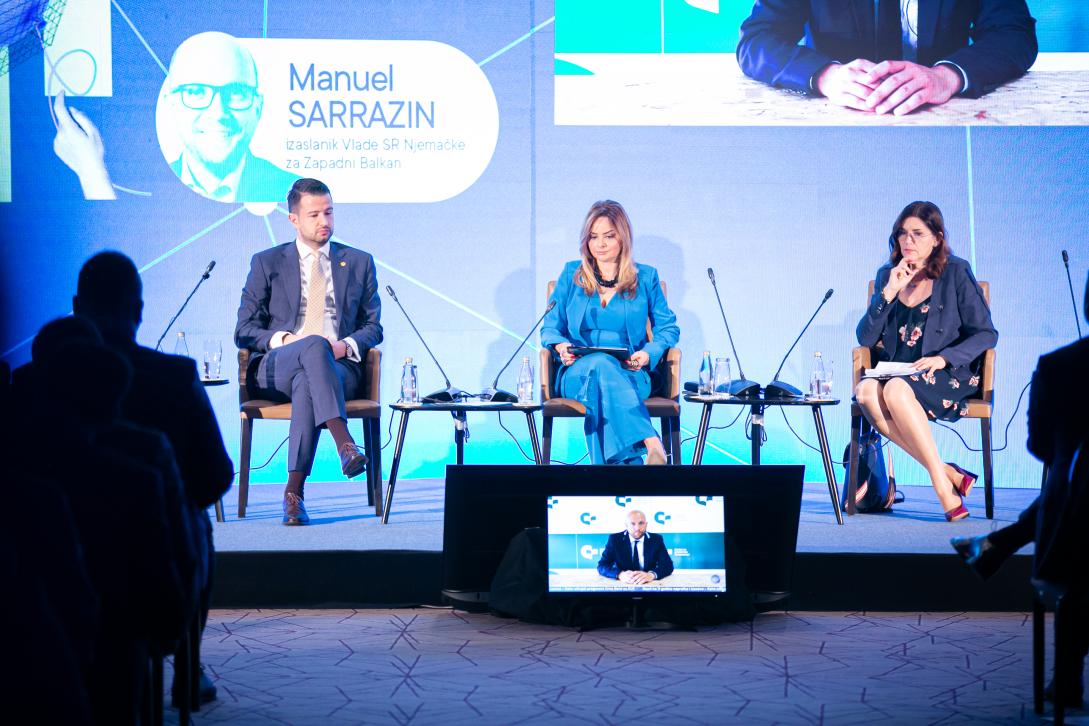
"Let's move forward with renewed strength and a shared vision of Montenegro's European future, united in our commitment to the values that define the EU. I hope that as we mark the 12th anniversary, we will have some great news to share," conveyed Ambassador of the European Union to Montenegro Oana Cristina Popa at the conference "Reflection on 11 Years of Progress and Challenges: How to Revitalise EU Negotiations," organised by the Centre for Civic Education (CGO).
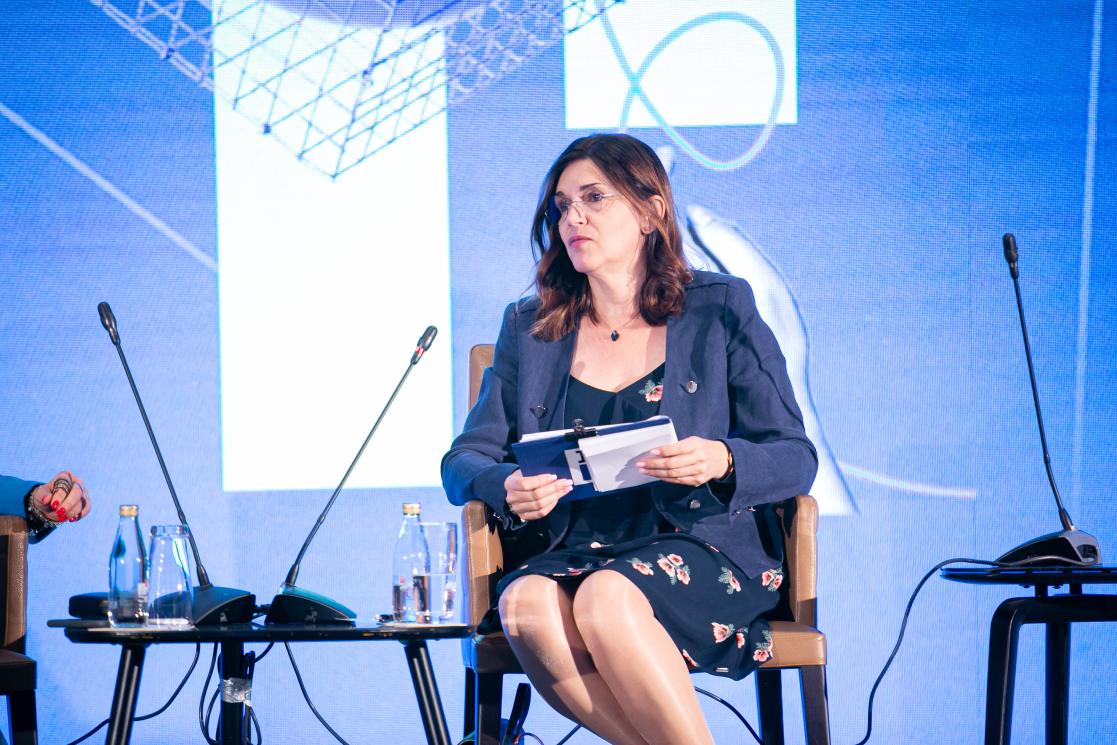
Popa stated that Montenegro has strong political support from EU member states as well as European institutions.
"The authorities in Montenegro have consistently spoken about the commitment of this country to the European integration. Much progress has been achieved, but precious time has also been lost. It seems that, in the past few years, there has been a loss of focus on European reforms, particularly in the area of the rule of law, with a number of obstacles that have not yet been fully addressed," emphasised Popa, adding that a strong commitment to reforms is necessary.
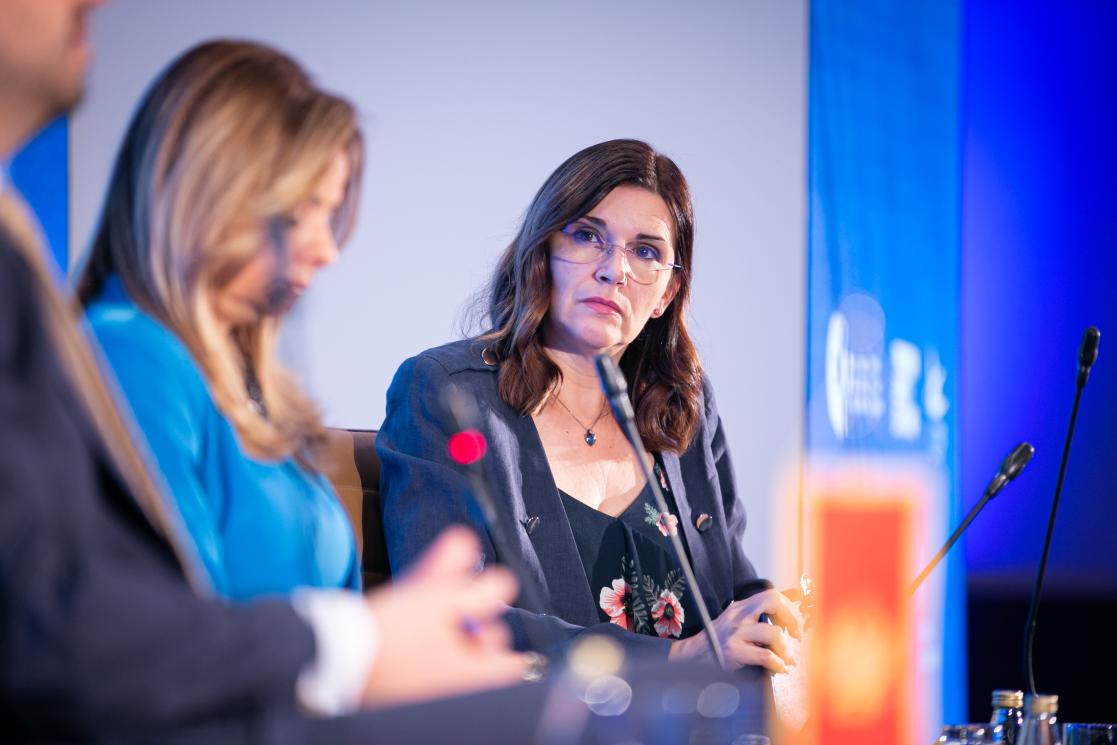
She called on all political actors and institutions to work constructively. The rule of law is key, according to Popa. She emphasised that an EU member state must be capable of tackling corruption and organised crime, guaranteeing full media freedom, and having an efficient, competent, and independent judiciary.
She noted that Montenegro needs progress in the chapters related to the rule of law, emphasising that no new chapter can be closed before temporary benchmarks in this area are met.
"The Non-paper on Chapters 23 and 24, recently drafted and published by the Commission, provides a clear assessment in this field and shows the way forward," emphasised Popa, stating that the EU will continue to support Montenegro's economic and social development by providing financial assistance and enhancing trade exchanges and investments, especially through the Economic and Investment Plan.
"Unfortunately, at this moment, Montenegro is lagging behind in terms of preparation and implementation of strategic projects financed by the EU," said Popa, stressing the need to strengthen national administrative structures to better prepare for these programmes.

President Jakov Milatović assessed at the conference that there has been a lack of political will to address important and key problems, which have only come to the surface after 2020.
"In the next three years, Montenegro needs to gain strength, complete political processes, and consolidate itself in order to conclude the European integration process by the end of 2027," stated Milatović.
Commenting on the European Commission's Non-paper on the rule of law in Montenegro, Milatović said that Montenegro has done the most in the last three years in terms of its European path.
"In that sense, we need to pose the question: Could we simultaneously dedicate ourselves to the European path and the significant social and political changes that have occurred?" asks Milatović.
He explained that in the past three years, Montenegro focused on a key prerequisite for accelerating its European path – the first democratic change of power, which was necessary to unlock the judiciary.
"It is important that judicial appointments, which are within the jurisdiction of parliament, to take place in the coming months. The new composition will likely be verified in the second half of July, and as President, I expect a responsible approach to be taken and a consensus to be reached regarding the selection of five important appointments in the judiciary," said Milatović.
He expressed expectations that this would be followed by a positive step from the EU.
"This will allow us to start closing some of the remaining chapters by the end of the year, giving momentum to our EU path," he concluded.
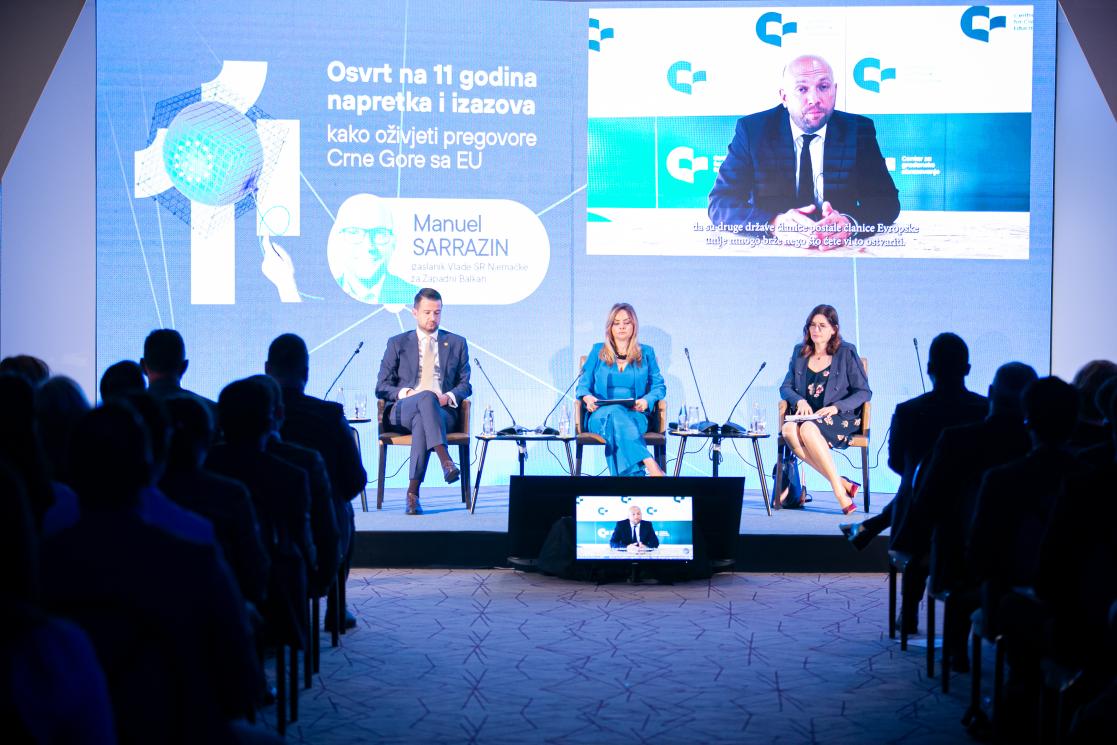
Montenegro urgently needs a new government that will achieve reforms, according to Manuel Sarrazin, Special Envoy of the German Government for the Western Balkans, stating that the country has already lost too much time because of politicians and, to some extent, the European Union.
Sarrazin addressed the participants via video message, emphasising that this is the moment to ensure that Montenegro's path is irreversibly directed towards the EU. According to him, Montenegro has 11 years of experience in cooperation with the EU. Sarrazin states that the European Union is seeking positive news from the Western Balkans.
Daliborka Uljarević, Executive Director of the CGO, highlighted that in the 11 years since the opening of negotiations, Montenegro has experienced years without a full-term Constitutional Court president and a Supreme Court president, as well as an incomplete Judicial Council and Constitutional Court.
She added that parliament missed the opportunity to be a place of dialogue and compromise on matters of public importance, and lawmakers, with full awareness and questionable conscience, adopted unconstitutional laws.
She warns that, once again, the hard-won rights are being questioned, attempting to normalise the targeting of LGBT individuals, women, and escalating the suffering of war crime victims based on ethnicity.
The conference is part of the project "CSOs in Montenegro – From Basic Services to Shaping Policies – M'BASE," implemented by the CGO in partnership with the Friedrich Ebert Foundation, Centre for Protection and Research of birds of Montenegro, and the NGO Politikon Networks, in collaboration with the Ministry of Public Administration and the Ministry of European Affairs. The project is financed by the European Union and co-financed by the Ministry of Public Administration.