
Women's Rights Centre Presented Guidelines for Improving Gender Equality in the Process of the European Integration
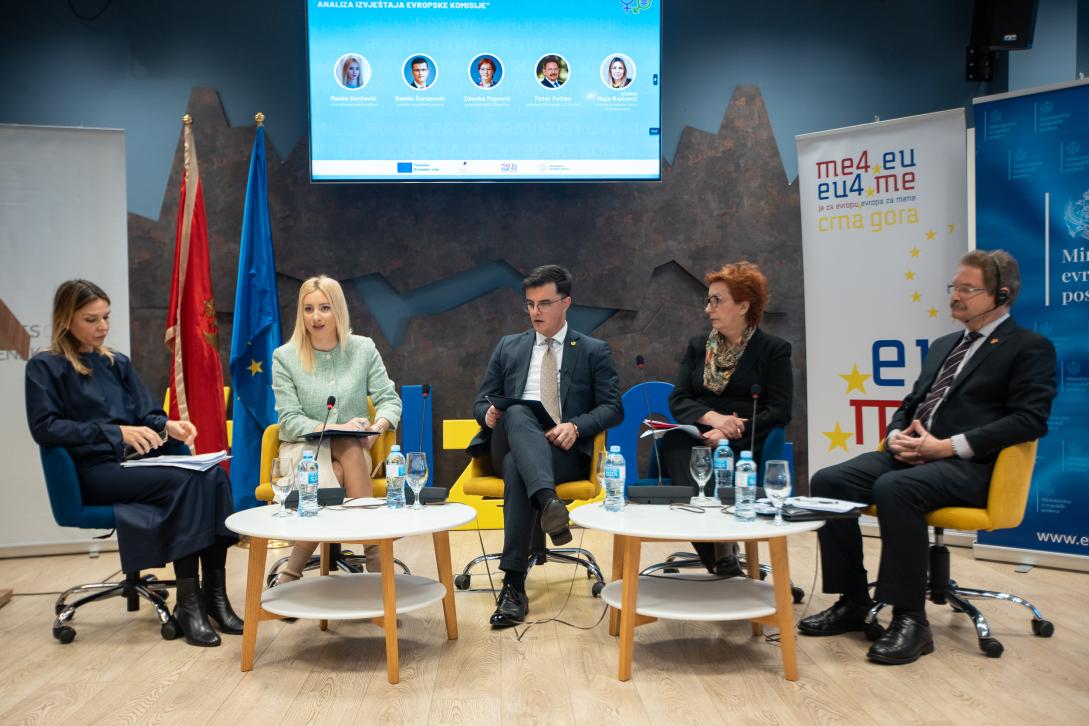
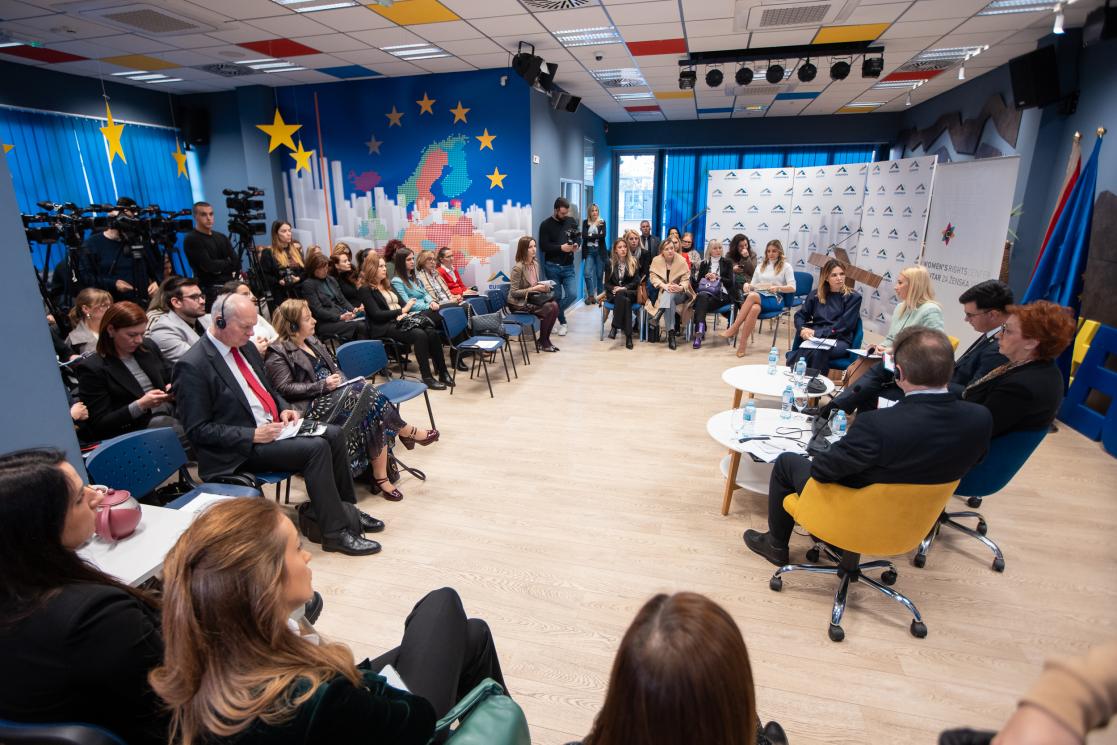
At the panel "Gender Equality in Focus: Annual Progress Report Analyses," the Women's Rights Centre presented guidelines for improving gender equality and for combating gender-based and domestic violence in the process of the European integrations. The guidelines are intended for state institutions and are the result of the Analysis of the European Commission's Report, conducted by the Women's Rights Centre with the financial support of the European Union and the Ministry of European Affairs through the EU4ME project.
The panel was moderated by Maja Raičević, Executive Director of the Women's Rights Centre, the speakers included Minister of European Affairs Maida Gorčević, Minister of Internal Affairs Danilo Šaranović, Vice-President of Parliament Zdenka Popović, and the Ambassador of Germany to Montenegro Peter Felten.
Copyright: EU4ME ME4EU
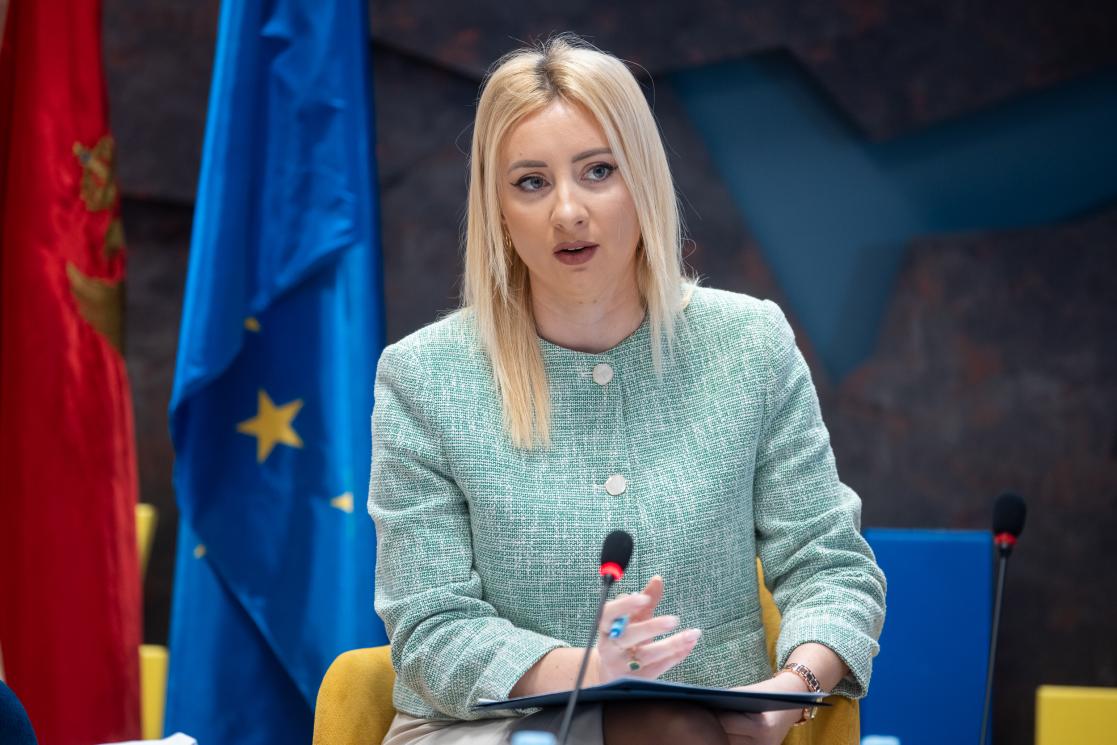
As Minister Gorčević stated, despite the progress in this area, the large number of laws, the National Strategy, and all of government’s adoptions aren't enough when tackling the challenges that were facing.
"We don't want to be declarative. We want to be realistic in achieving the set goals," said Gorčević. She expects that the political will and stability currently existing in Montenegro to kick-start the process when it comes to equality and human rights, announcing that the Ministry of European Affairs will initiate a broader dialogue with non-governmental organisations in February, including issues related to gender equality.
Copyright: EU4ME ME4EU
"We have shown that we are a credible partner of the EU and that we are doing our best to implement everything we have announced and promised. Our focus in the coming period will be on Chapters 23 and 24, i.e., the rule of law. In line with that, we expect the formation of the Rule of Law Council in the shortest possible time, which will involve three representatives of the NGO sector," the minister stated.
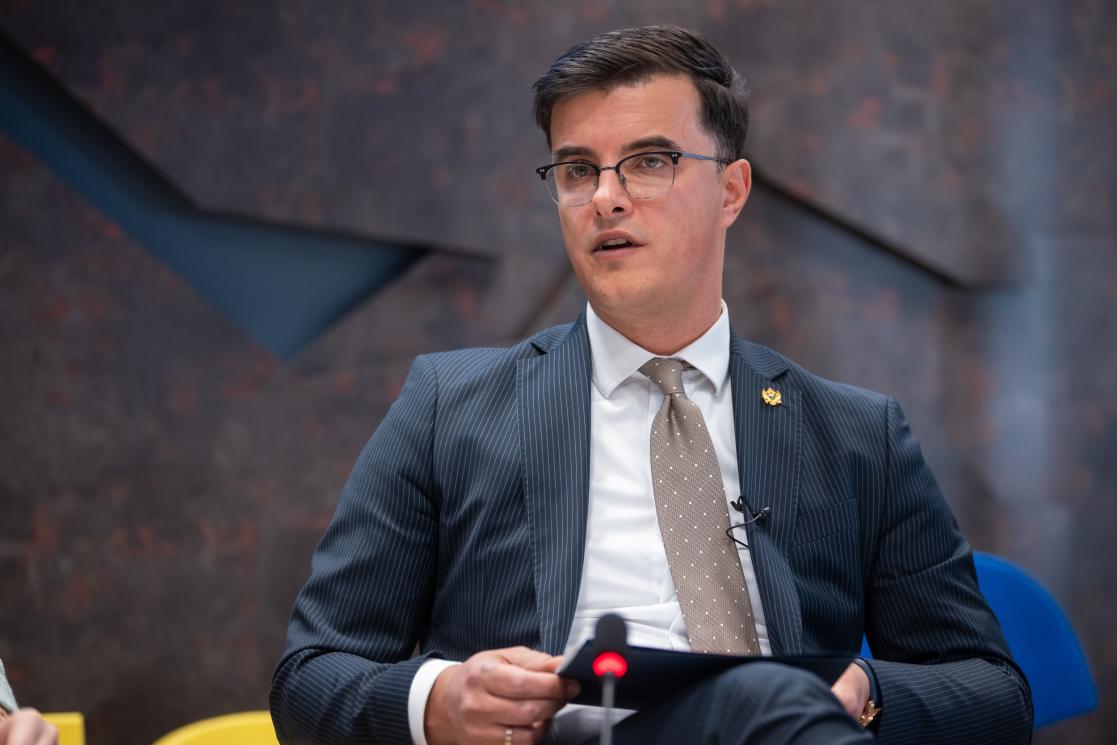
Minister Šaranović stated that the Ministry of Internal Affairs is continuously dedicated to strengthening capacities, in terms of training and the professionalisation of police officers, in combating cases of gender-based and domestic violence, all in accordance with the recommendations received from the European Commission and international partners. In addition to improving human resource capacities, they have also worked on enhancing conditions for the reception of victims.
Copyright: EU4ME ME4EU
"I would like to remind you that the Ministry formed the Operational Team to combat domestic violence and violence towards women several years ago, and there are plans to establish such team at the government level as well, thereby strengthening the mandate of this body," said Minister Šaranović.
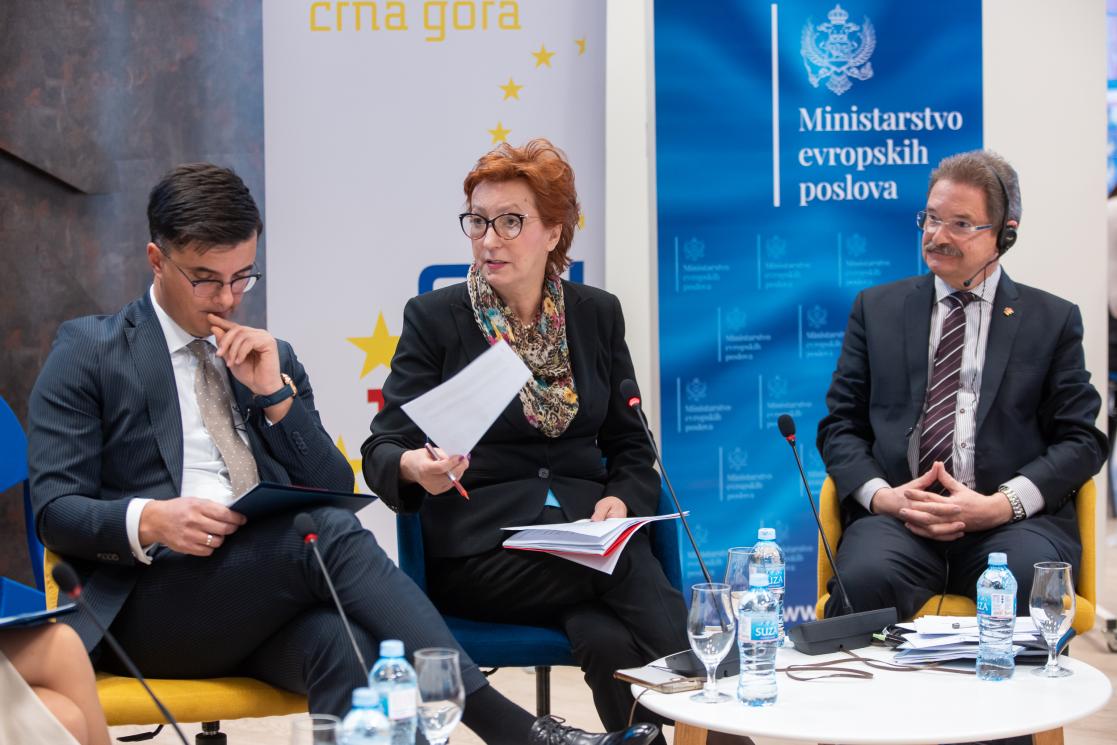
Vice-President of Parliament Zdenka Popović emphasised that gender equality is one of the key criteria for closing Chapter 23 and we need to address this issue with special care. She stated that the European Commission rightly points out the importance of this area and suggests specific measures to ensure quality representation of women in politics.
"In the public life of Montenegro, there are many women who are more educated, more professional, and more capable than men. What hinders them from positioning themselves better politically is hate speech and gender-based violence. These are things we need to regulate and find a way to prevent hate speech on online platforms," said Popović.
Copyright: EU4ME ME4EU
She shared her experience in participating in the negotiations for the formation of the 44th Government, highlighting that she was the only woman among ten men in those negotiations.
"It is important for our voices to be heard, to be taken seriously, more seriously than before. In the new parliamentary assembly, we have 22 female parliamentarians. For the first time in the Assembly's presidency, we have three women. Also, in the Committee on Security and Defence, we have three women, but we do not have enough women as Heads of committees," stated Popović.
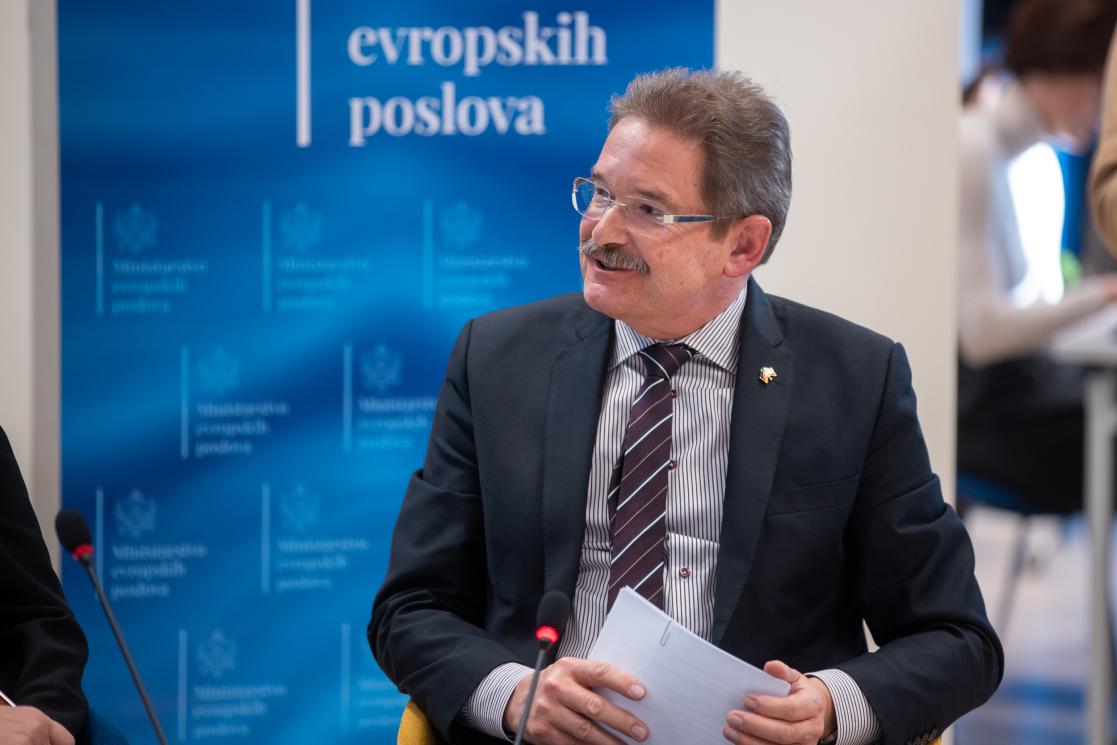
Ambassador Felten clarified that gender equality is a cross-sectoral issue. "You will find it in many chapters of the recent EU Progress Report on Montenegro. Therefore, including the rights, resources, and representation of women in all policies is a way to comprehensively promote gender equality. Resolving violence against women, including domestic violence; combating hate speech and misogyny; strengthening women's representation in political and economic life; promoting equal rights, human dignity, and respect for diversity as the cornerstone of a value-based education–these are all key elements on the path towards gender equality and a society without discrimination," stated the Ambassador of Germany to Montenegro.
Copyright: EU4ME ME4EU
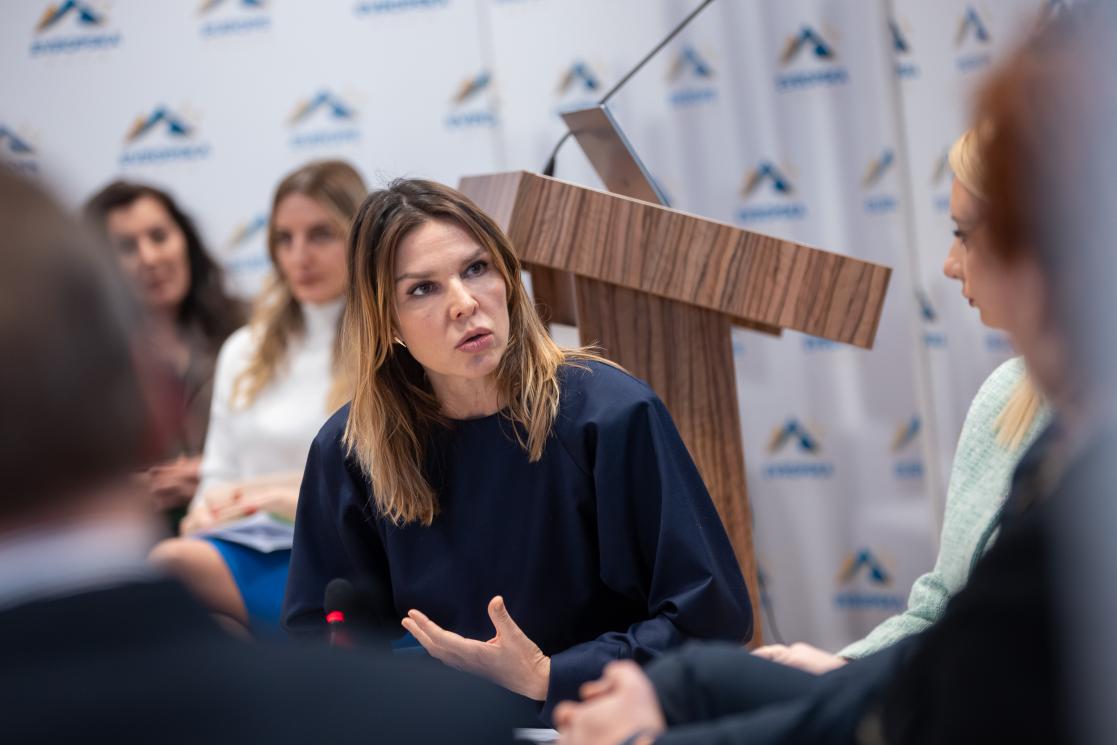
During the presentation of the Analysis, Raičević highlighted four key guidelines. The first is the urgent appointment of a Government Work Group to analyse the existing, as she described it, inefficient system for the protection and support of victims, ensure continuous monitoring and evaluation of the work of the relevant institutions, and establish a programme for the reintegration of violence victims.
It is also necessary to harmonise the legal framework with international standards for protection against discrimination and gender-based violence, and implement binding recommendations of international bodies (CEDAW, UPR, GREVIO), organise trainings, and strengthen the capacities of the relevant institutions to recognise violence and gender discrimination in the field of labour and employment.
Copyright: EU4ME ME4EU
As the third recommendation, Raičević mentioned changes to the electoral legislation, increasing women's political participation, and prescribing a clear and effective mechanism of sanctions in cases of non-compliance with quotas. There is also a need to improve the legislative and institutional framework regulating cooperation between the state and civil society, especially the Law on NGOs.
The Centre announced that it will formally submit a set of recommendations for improving gender equality in the European integration process and monitor their implementation within the relevant state institutions.