Explaining Multilateralism: Young European Content Creators Discover International Geneva
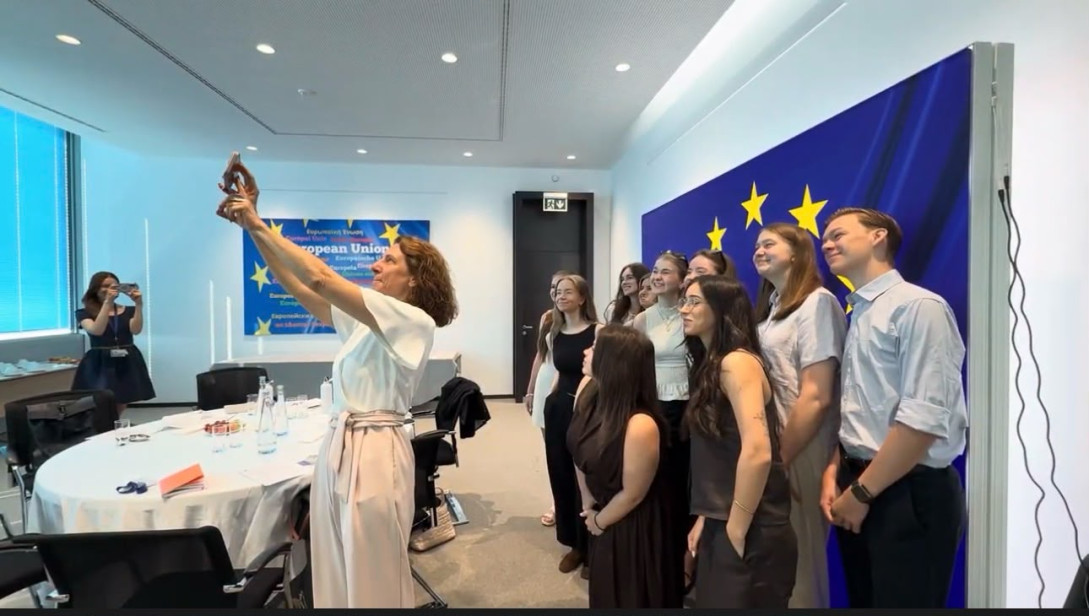
To explore these questions, the European Union Delegation welcomed twelve young content creators from across Europe to Geneva for a three-day study visit dedicated to explaining multilateralism through digital storytelling i.e. content-creating on all different social media platforms.
Bringing together creators from twelve different countries, backgrounds and fields of interest, the initiative aimed to strengthen understanding of the work of the UN system and international organisations and to encourage participants to share these experiences with their audiences through authentic, engaging and accessible content. Throughout the visit, participants explored how international cooperation affects issues that matter to people every day: access to digital technologies, global health, refugee protection, human rights, humanitarian action and the governance of emerging technologies.
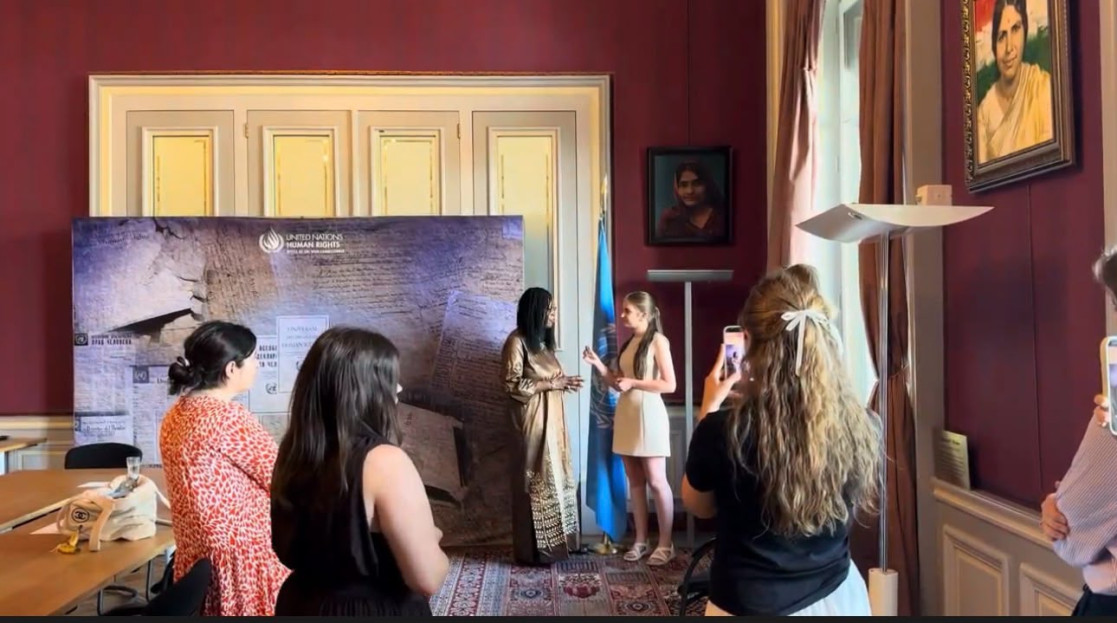
Over the course of the programme, creators met with officials of the EU Delegation, including EU Ambassador Deike Potzel, and senior officials from across International Geneva to gain direct insights into how multilateral cooperation shapes their everyday lives. Their first stop was the Office of the High Commissioner for Human Rights, where the group met Deputy High Commissioner Awa Dabo to discuss the importance of protecting human rights worldwide, while practising their football moves together. At the International Telecommunication Union, they visited Secretary-General Doreen Bogdan-Martin in her office and discovered how international cooperation helps make the technologies they use every day, from mobile networks to global connectivity, work seamlessly across borders. Last but definitely not least, they received a special welcome by Dr Tedros Adhanom Ghebreyesus at the World Health Organization, who personally welcomed them at the entrance and took the time to answer all their questions on youth mental health and the challenges posed by misinformation and disinformation in the health sector. EU Youth Delegate and content creator Veronika Novotna even had an opportunity to present a copy of the Global Youth Call to Action on Mental Health to Dr Tedros.

EU Delegation, 2026
The programme further included meetings with colleagues from UNHCR, a visit to the immersive portal at the Palais des Nations and the ICRC Museum, as well as discussions with EU officials and human rights experts. Their final stop was EU Ambassador Deike Potzel’s residence, who had invited them for lunch and a conversation on their impressions during the study trip, reflecting on their understanding of international cooperation and how it has changed over the past three days.
But the study visit was not only about listening and learning. It was also about creating. Armed with cameras, microphones and smartphones, the creators worked throughout the programme to produce videos, interviews, reels, stories and posts. By bringing international diplomacy out of conference rooms and onto social media feeds, they helped demonstrate why multilateral cooperation remains so relevant in people's daily lives. The creators also had the opportunity to exchange directly with communication professionals from the UN, UNHCR and WHO to gain a better understanding of how international organisations engage with citizens in an increasingly digital world.
EU Delegation, 2026
The study visit demonstrated the value of building bridges between international institutions and the next generation. As the EU believes that a time when information is increasingly consumed through social media, creators have a unique ability to make global issues more accessible, relatable and understandable. The European Union is committed to fostering dialogue on multilateralism and engaging young voices in discussions about the global challenges that shape our shared future. They also closely connected among each other, with links that will surely stay with them long after this visit, which was also one of the aims of the study trip to create a network of young content creators who want to go into a dialogue with their audiences on global political issues.
Accumulated the posts of young content creators, the EU Delegation, EEAS and participating UN agencies generated nearly 5 million views and impressions about the study trip, a great testimony to the success of this innovative communication approach.
Through initiatives such as this study visit, the EU seeks to ensure that international cooperation is not only practiced in meeting rooms but also understood by the people it serves.
EU Delegation, 2026