
What do we know about the risks and threats of climate change?
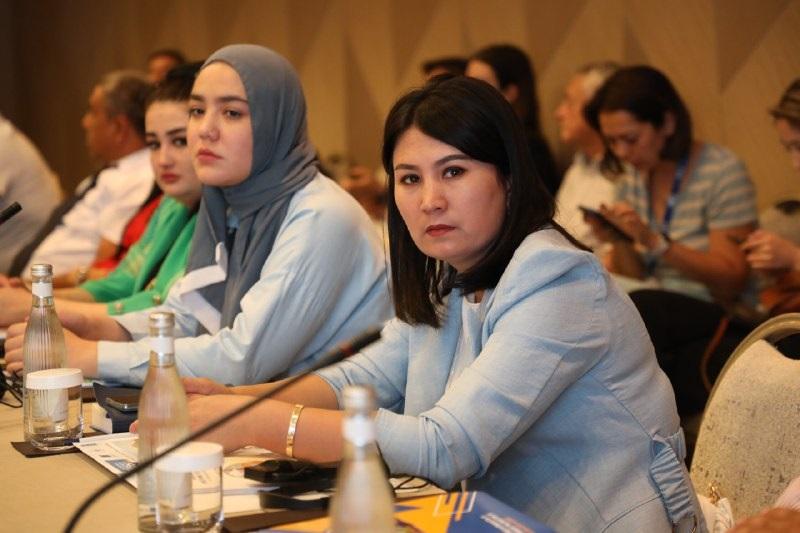
On August 10, 2022, Within the EU funded project UNDP jointly with the Center of Hydrometeorological Service of Uzbekistan (Uzhydromet), organized an event to discuss the results of the baseline study and increase the understanding and awareness of employees of state agencies about possible risks and threats, caused by climate change.
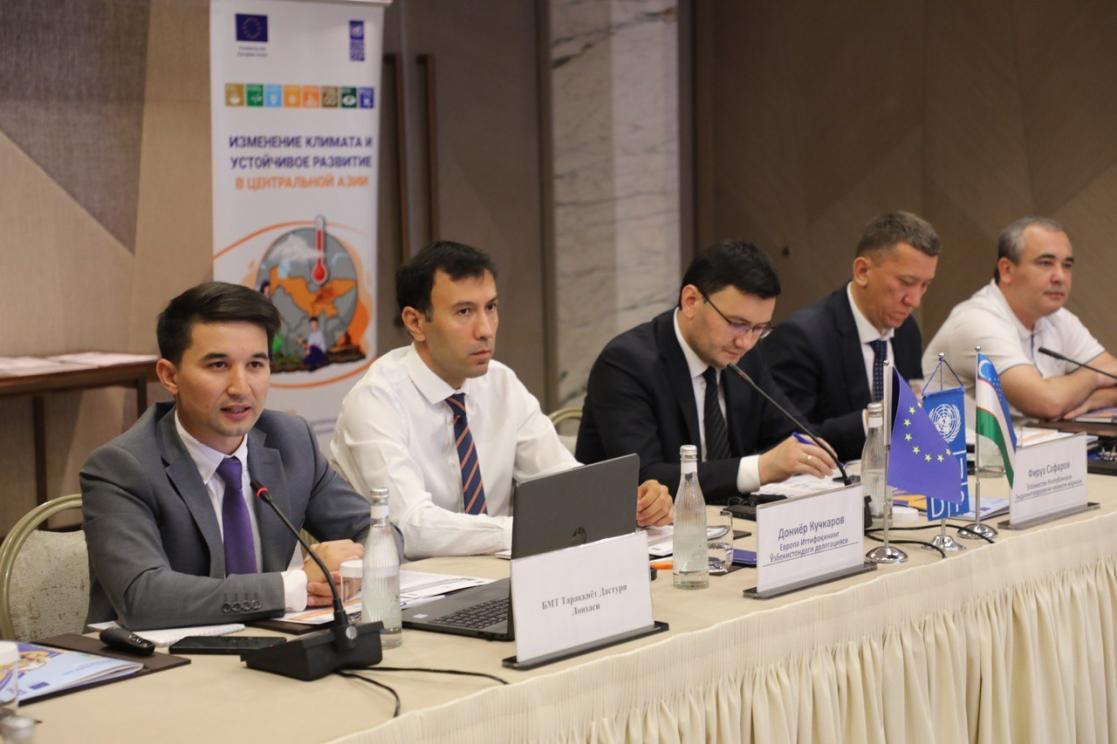
The experts shared the results of a sociological survey of awareness about the risks and threats of climate change in the Ferghana Valley. The study revealed a lack of awareness of sector specialists about the linkage between the risks of climate instability, socio-economic development and related adaptation measures in the Ferghana Valley (20 percent of the respondents confirmed that they are aware of the risks of climate change). It was also noted that the region is the most densely populated in the country and is particularly susceptible to the consequences of climate change due to the significant load and intensity of the natural resources’ consumption.
The participants stressed that the adoption of systemic measures to mitigate and adapt to the effects of climate change in the Ferghana Valley is of paramount importance. 92% of the respondents who took part in the survey said that climate change has a negative impact on human health, especially on women living standards.
The participants (30-35% women) exchanged views and experiences on new collaborative approaches, ideas and initiatives for climate change adaptation and mitigation in the Ferghana Valley. At the end of the event, a joint Action Plan was developed to increase the understanding and awareness of decision makers and mid-level sectoral specialists about the possible risks and threats caused by climate change.
Reference: To solve the existing problems related to climate change, UNDP, with the financial support of the European Union, is implementing a regional project "Climate Change and Resilience in Central Asia". The aim of the project to support the achievement of stability and resilience to climate change in the Fergana Valley (border area of the Kyrgyz Republic, Tajikistan and Uzbekistan). In addition, the project initiates and promotes a regional climate change dialogue involving national government agencies.