
From Coordination to Credibility: Europe Plans Together in Segovia
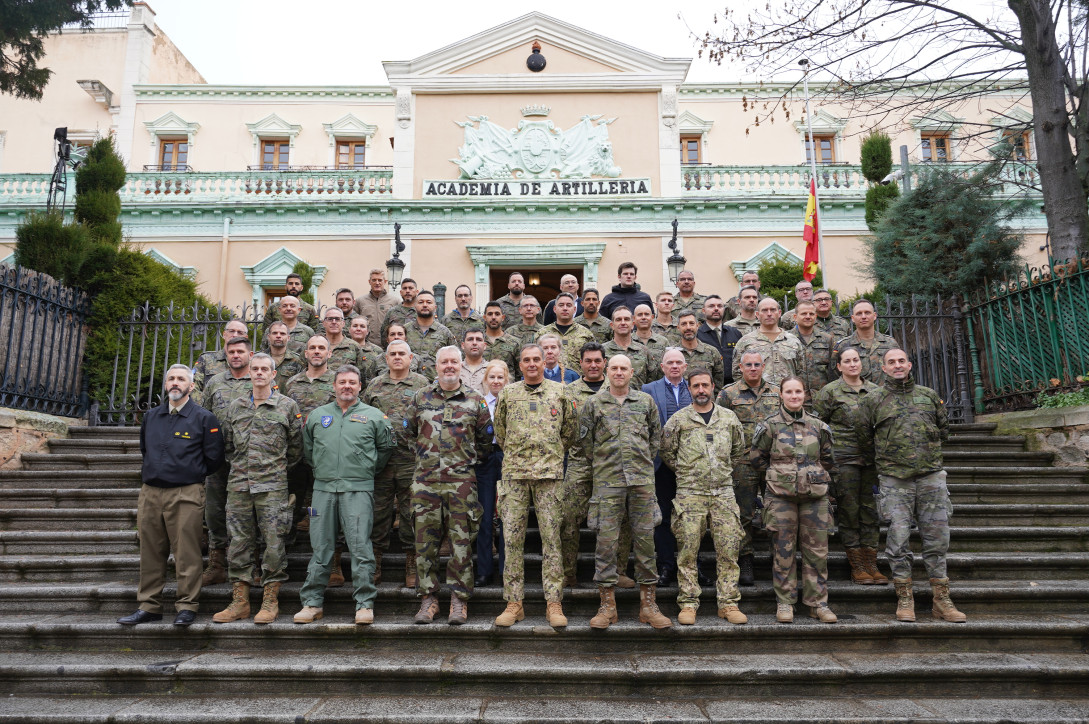
For those new to the world of exercises, the conference unfolded like a carefully designed workshop rather than a war game. Military planning conferences (Initial, Main, and Final) are not about tactics. They are about choreography. At this stage, the MPC served as the moment where ideas stopped floating and began to connect: objectives aligned, calendars synchronized, and scenarios shaped into something that could be used collectively.
The room divided into syndicates, each a lens on the same picture. One group discussed steering issues: how an exercise is governed, evaluated, and learned from. Another focused on information and communications, translating ambition into systems that actually talk to each other. The logistics teams spoke the language of movement and care, while planners and operators sketched timelines, decisions, and tactics. Others ensured that budgets, legal frameworks, and communications with partners and citizens were not afterthoughts, but foundations.
To an outside observer, the acronyms could feel dense. Yet beneath them was a familiar EU instinct: coordination. This was interoperability between forces, but also between institutions, cultures, and ways of thinking. The exercise scenario, the injects and events, the training objectives, all were tools to rehearse something larger than an exercise: collective decision-making under pressure.
During coffee breaks, conversations drifted from schedules to strategy. Not loudly, not declaratively, but with a shared awareness that exercising together matters. The European Union now has a way to train how to plan, lead, and communicate as one. The structures discussed in Segovia mirror a broader reality: the EU is growing into a geopolitical actor that prepares seriously in all domains, even when it hopes never to need to act.
As the conference closed, the Alcázar stood unchanged, a reminder of centuries of power and planning. Inside, however, a quieter milestone had been reached. MILEX26 was taking shape. A military exercise and a demonstration of how Europe thinks, coordinates, and takes responsibility in an increasingly complex world.