
EU and the Gulf Cooperation Council agreed the need to step up security cooperation
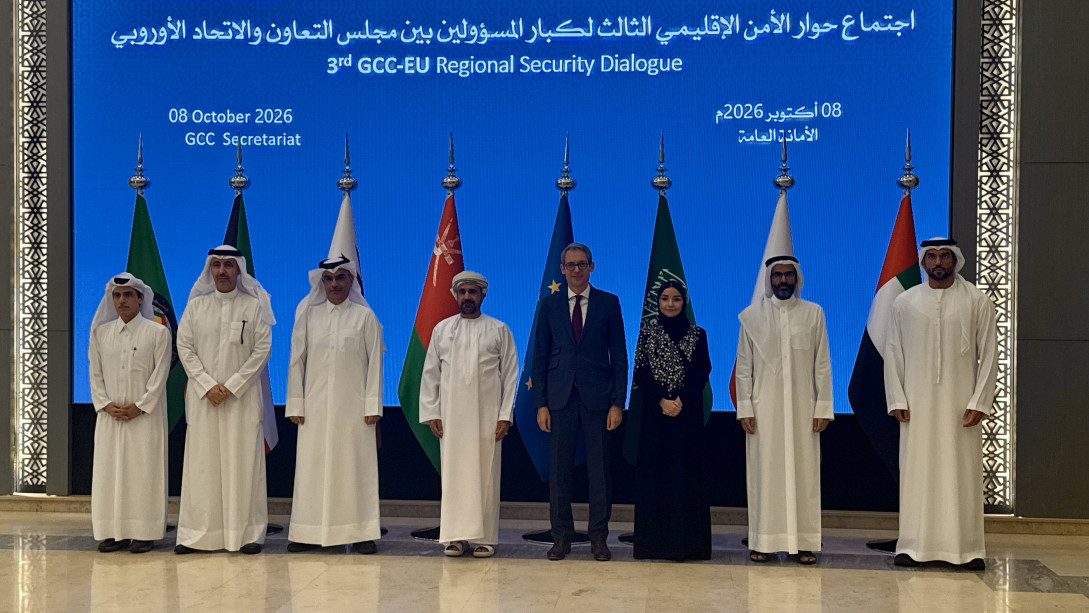
Security challenges do not stop at borders. Instability in the Gulf and the Red Sea affects maritime routes, energy prices and Europe’s wider security. As the EU and Gulf countries face increasingly interconnected threats, closer cooperation is becoming ever more important.
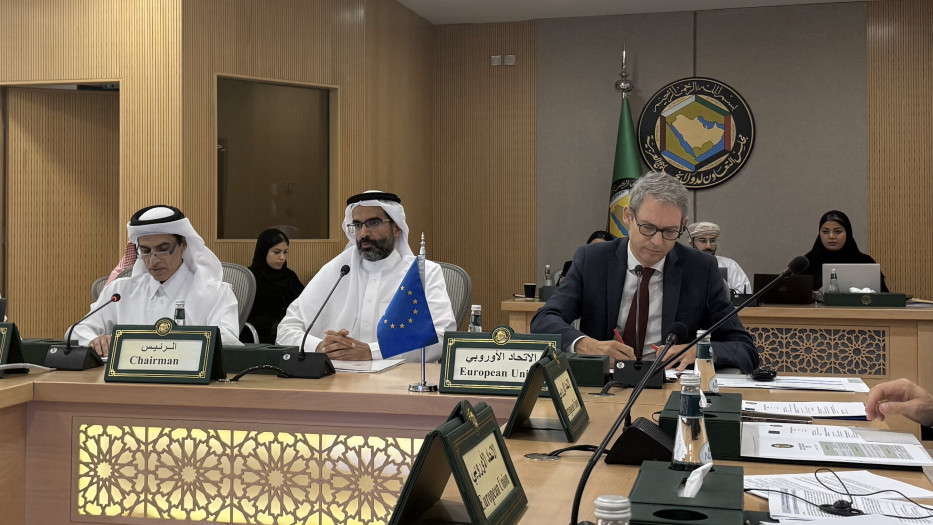
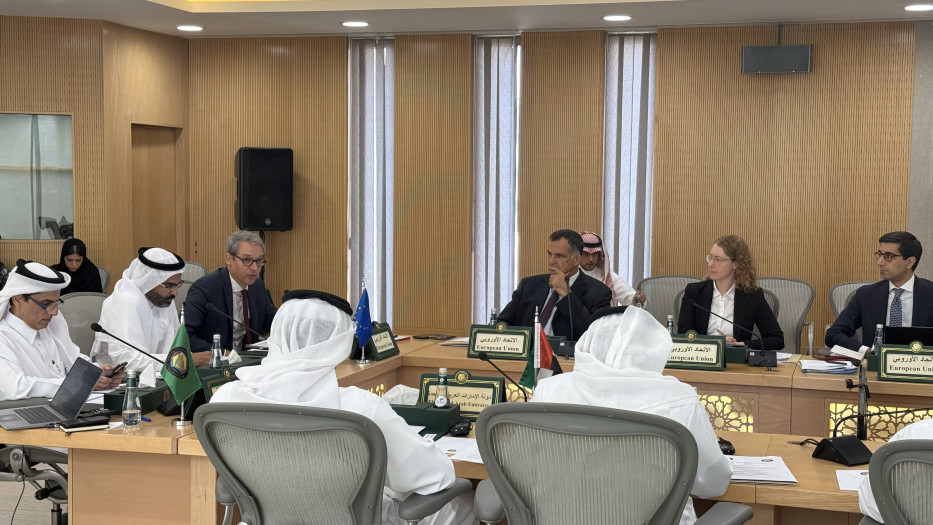
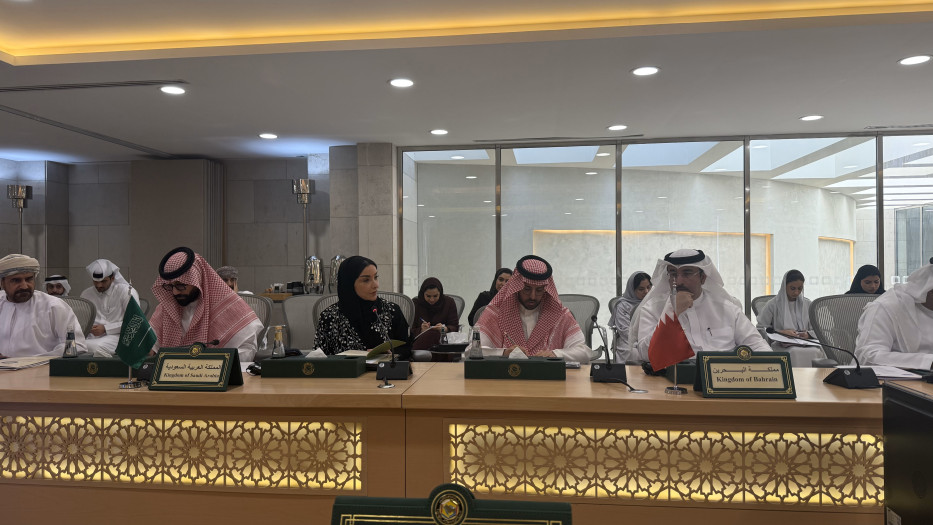
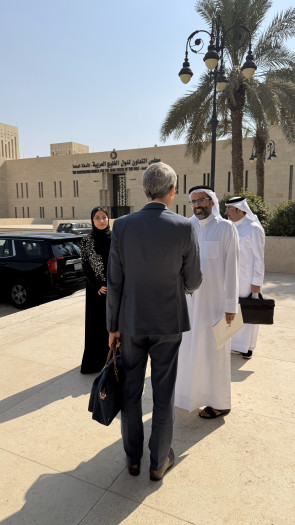
On 8 October, the EU and the GCC held their third Regional Security Dialogue in Riyadh, building on last year’s iteration and the first EU-GCC Summit in 2024.
Both sides exchanged on regional security issues as well as reviewed progress and identified next steps to deepen cooperation in key areas, including maritime security, counter-terrorism, cyber issues, non-proliferation and disarmament, disaster preparedness and emergency management, and combating drug trafficking and international organised crime.
The goal is to turn shared priorities into practical cooperation and joint solutions. The EU and GCC are strengthening their ties to enhance security and resilience of both regions.
EEAS Deputy Secretary-General David Cvach represented the EU at the Dialogue. He said:
“European and Gulf countries share the same sense of urgency in making our ties stronger so we can face the challenges ahead, from maritime security to cyber and non-proliferation.”
Media gallery
-
Image
European Union 2026
-
Image
European Union 2026
-
Image
European Union 2026
-
Image
European Union 2026