
The first EU progress report on the approach to cultural heritage in conflicts and crises
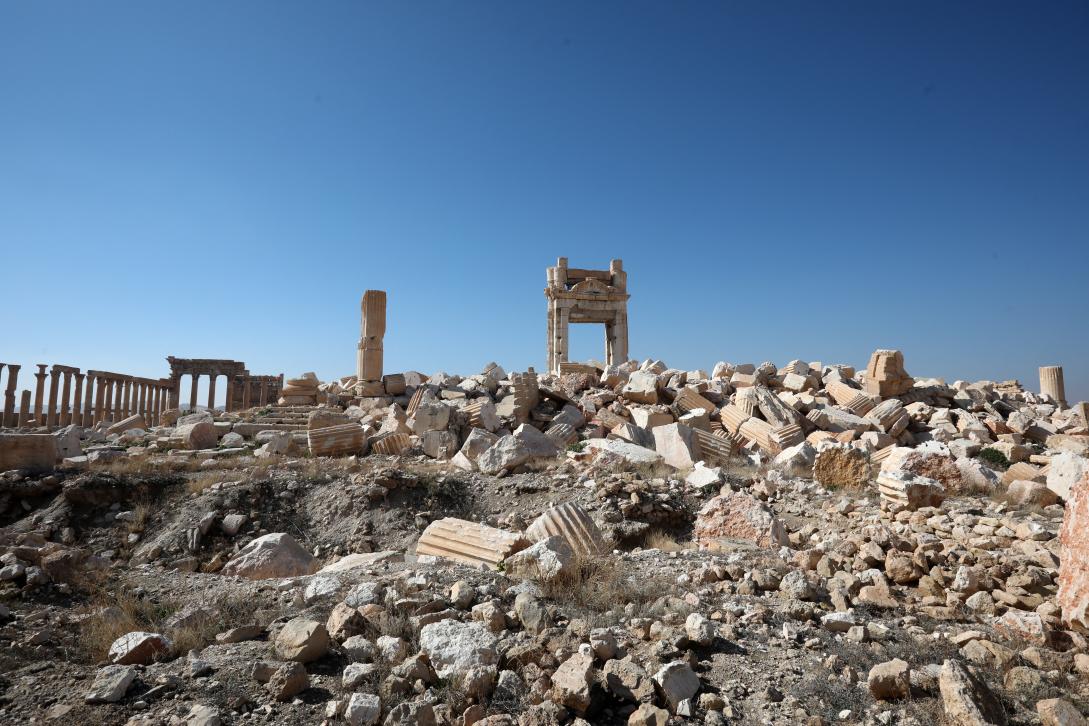
Among the many tragedies caused by the war, Russia has questioned and denied the Ukrainian identity and history[1], and destructed or severely damaged cultural heritage landmarks, such as monuments, museums, art collections, libraries and archives.
Protecting and promoting respect for culture and its diversity is fundamental to counter violent extremism, to generate an inclusive and positive dialogue and to foster a lasting peace. Safeguarding and when necessary rehabilitating cultural heritage can help heal the scars of wars and rebuild societies, contribute to the development of peace, reconciliation and mutual understanding. Therefore, the EU strategic approach for protecting and enhancing cultural heritage in conflicts and crises is not only about protecting historical evidence of civilisations, but it is vital for peace, security resilience and development of communities.
Since the adoption of the EU Concept on Cultural Heritage in conflicts and crises, on 19 April 2021, and the dedicated Council Conclusions, on 21 June 2021, the EU has worked on the implementation of the measures and main elements proposed in the two documents. The first report assessing the EU engagement on this field has been recently released. The document provides a comprehensive overview covering not only aspects pertaining to EU Common Security and Defence Policy (CSDP), but also EU’s broader approach to cultural heritage in contexts of conflicts and crises. The analysis is based on data collected from the EEAS and the European Commission Services, the Delegations of the EU and the EU CSDP missions.
[1] Alexandra Xanthaki, UN Special Rapporteur on cultural rights, 25 May 2022 (https://news.un.org/en/story/2022/05/1119052 )