
Five years after Kabul takeover, EU support for Afghan people continues
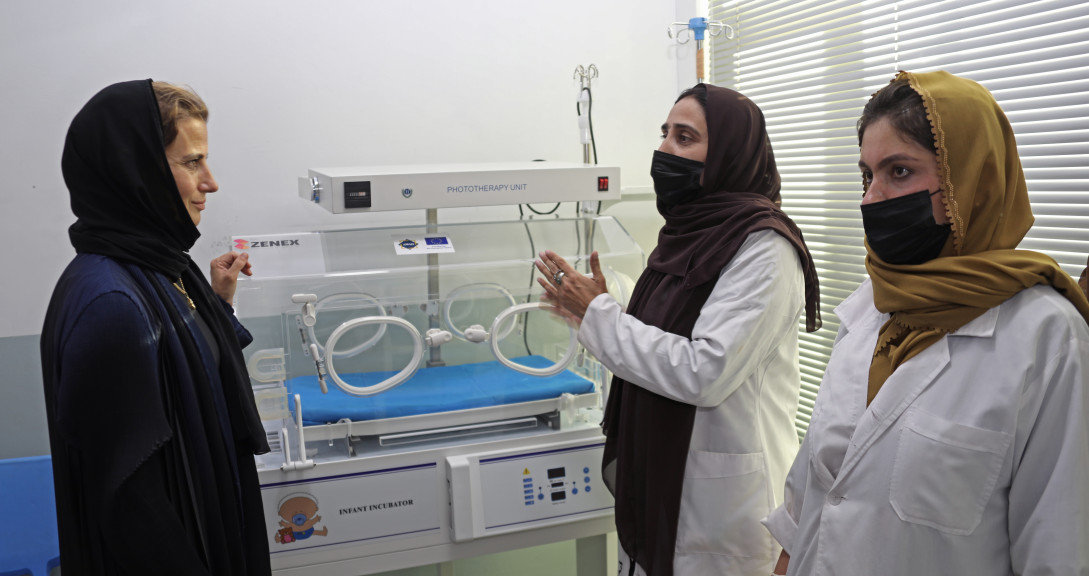
A stable, peaceful and prosperous Afghanistan is in Europe’s strategic interest. Five years after the Taliban took over Kabul, the situation remains dire. With a collapsed economy, half of the population in Afghanistan need humanitarian support, including millions of Afghans who have recently returned from neighbouring countries. The country also faces high levels of climate vulnerability and imminent water crises, in rural areas and some major cities.
Systemic human rights restrictions are in place, including some of the world’s most severe violations of the rights of women and girls. In a region facing major risks of destabilisation linked to terrorism, narcotics, climate and uncontrolled migration flows, Afghanistan also faces a persistent presence of militant and terrorist organisations.
Afghanistan’s stability and security matter far beyond its borders. Five years after the Taliban takeover, the EU remains steadfast in its support for the Afghan people. We are one of the major donors and the only Western diplomatic presence in the country. But engagement does not imply legitimisation or recognition. The benchmarks set by the UN Security Council are the clearest path towards a stable Afghanistan, at peace with itself and its neighbours. Ending the egregious violations of women’s and girls’ rights is absolutely vital. No country can build a prosperous future while denying half its population the right to learn, work and take part in society.
EU High Representative Kaja Kallas
EU sustains vital support for Afghanistan
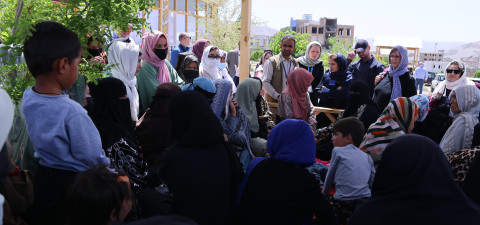
The EU remains one of the major contributors to Afghanistan, at a time when most other donors have reduced or withdrawn their support. Despite the Taliban takeover, the EU has provided more than €2 billion in assistance over the past five years, combining humanitarian aid, basic needs and support for people’s livelihoods.
European Union 2026
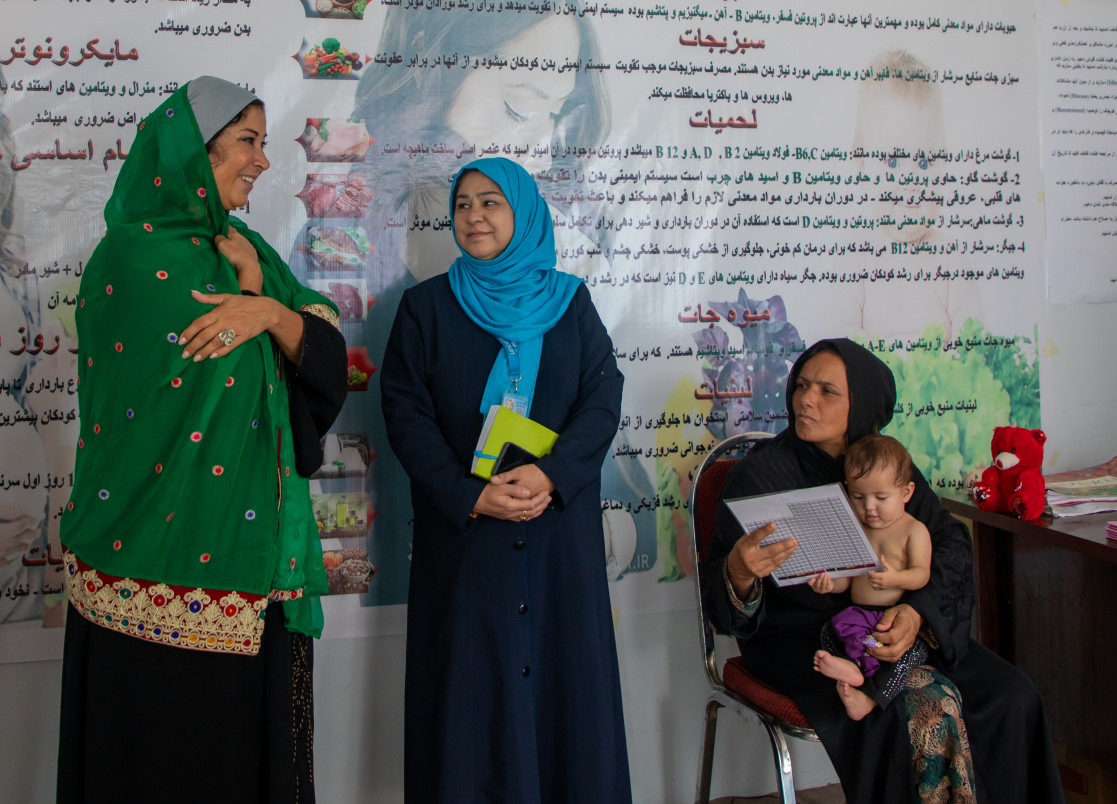
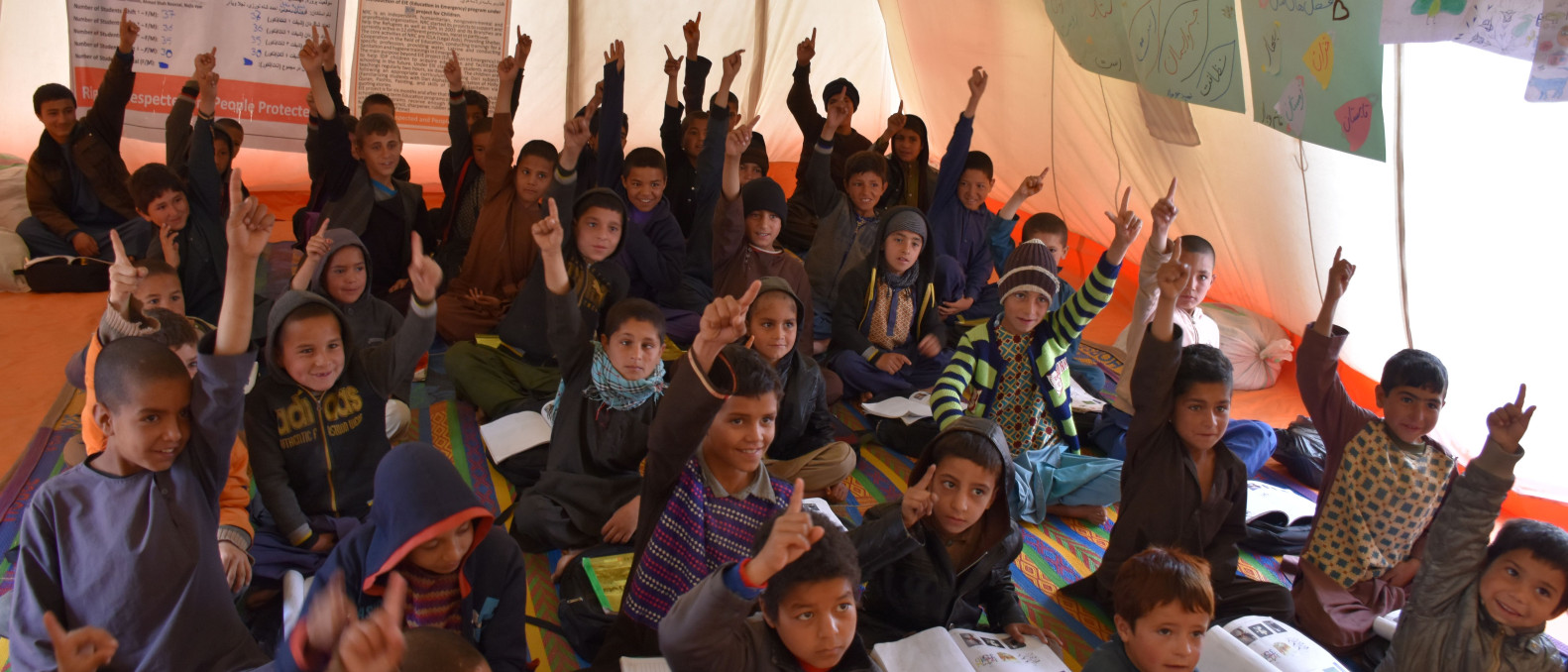
EU assistance helps vulnerable Afghans access food, healthcare, education, protection, shelter and other essential services. It also backs women’s economic empowerment, microfinance, small businesses, climate resilience, and Afghan civil society & media.
There are also EU measures to respond to displacement and migration pressures, including support to returnees and host communities.
Principled approach to assistance and engagement
Shortly after the August 2021 takeover, the EU adopted a policy of ‘operational engagement’ with the Taliban, as ratified by the Council Conclusions of September 2021 and March 2023, and a principled approach to the implementation of EU aid, which is implemented strictly through non-governmental organisations (NGOs), UN agencies, the Red Cross/Red Crescent and the World Bank Group, following a “by women, for women” approach. No EU financing passes through or benefits Afghanistan’s Taliban-run de facto authorities (dfAs).
Politically, the EU neither recognises nor legitimises Afghanistan’s dfAs. Any move towards recognition would require tangible progress against clear benchmarks, in particular
-
compliance with Afghanistan’s international obligations, including respect of human rights
-
preventing the use of Afghan territory by terrorist groups
-
establishing an inclusive and representative government
European Union 2026
To date, the de facto authorities (dfAs) have failed to make meaningful progress on these benchmarks.
The EU has kept a diplomatic representation in Kabul, at Chargé d’Affaires level, where it maintains necessary operational engagement with the dfAs on issues pertaining to its values and interests. This includes humanitarian access and support for the Afghan people, promotion and protection of human rights, inclusiveness, displacement and returns, counterterrorism, security and regional stability, among others.
The EU also raises the rights of women and girls in every interaction with the dfAs.
On the international stage, the EU has been a staunch supporter of the UN-led Doha Process, where the international community and the dfAs can discuss steps towards meeting the benchmarks set by the UN Security Council.
Furthermore, the EU was instrumental when the UN Human Rights Council established in 2025 an independent investigative mechanism to document evidence of serious human rights violations in Afghanistan.
Media gallery
-
Image

European Union 2026
-
Image
European Union 2026
-
Image

European Union 2026