
HR/VP Borrell: We cannot take peace for granted; it is our duty to remember Srebrenica
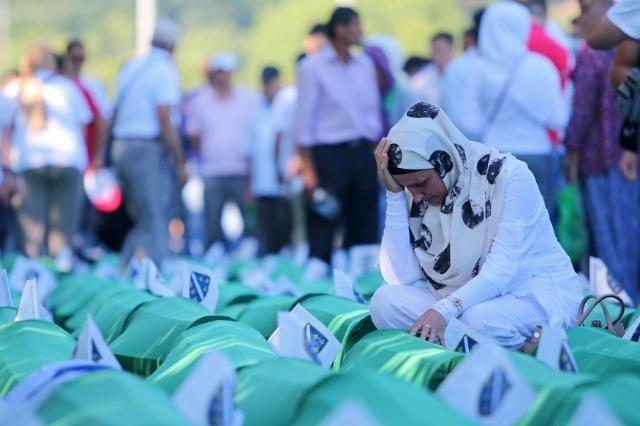
We honour for the 27th year the memory of all victims and of all those still missing of the genocide of Srebrenica. We stand together, in grief, with their relatives and friends who survived the genocide.
Wrote High Representative/Vice-President Josep Borrell and Commissioner for Neighbourhood and Enlargement Olivér Várhelyi in a joint statement. Against the backdrop of the Russian aggression against Ukraine they continued:
"Still today we cannot take peace for granted. Russia’s unjustified and unprovoked aggression against Ukraine has brought back a brutal war to our continent. The mass killings and war crimes we see in Ukraine bring back vivid memories of those witnessed in the war in the Western Balkans in the 1990s. It is more than ever our duty to remember the genocide of Srebrenica, as part of our common European history."
High Representative/Vice-President Borrell addressed the commemoration in Potočari with a video message. He said:
There is no place for genocide denial, revisionism, and glorification of war criminals. There can be no reconciliation without the recognition of crimes and judicially established facts.
He also paid tribute to the Mothers of Srebrenica:
"We take inspiration from the Mothers of Srebrenica. Their pursuit of truth and justice in search for their loved ones has become a symbol of dignity and inexhaustible fight against crime and hatred. Their wish to see the future for new generations built on truth, repentance, and forgiveness deserves our admiration and respect. They are the heroines of Srebrenica."
The Presidents of the European Council and Parliament marked the day.
"Today serves a reminder that peace can never be taken for granted", wrote President of European Parliament Roberta Metsola.
"27 years since Srebrenica genocide, one of the darkest moments in modern European history. […] We must keep working together for peace in Europe and for Bosnia and Herzegovina to become part of the European Union", wrote President of the European Council Charles Michel.
The Head of the EU Delegation (EUD) to BiH and EU Special Representative to BiH Ambassador Johann Sattler wrote the blog “Reflections on Srebrenica“ and attended the commemoration in Potočari:
The EU followed and took part in a series of civil society-led initiatives marking the Srebrenica genocide.
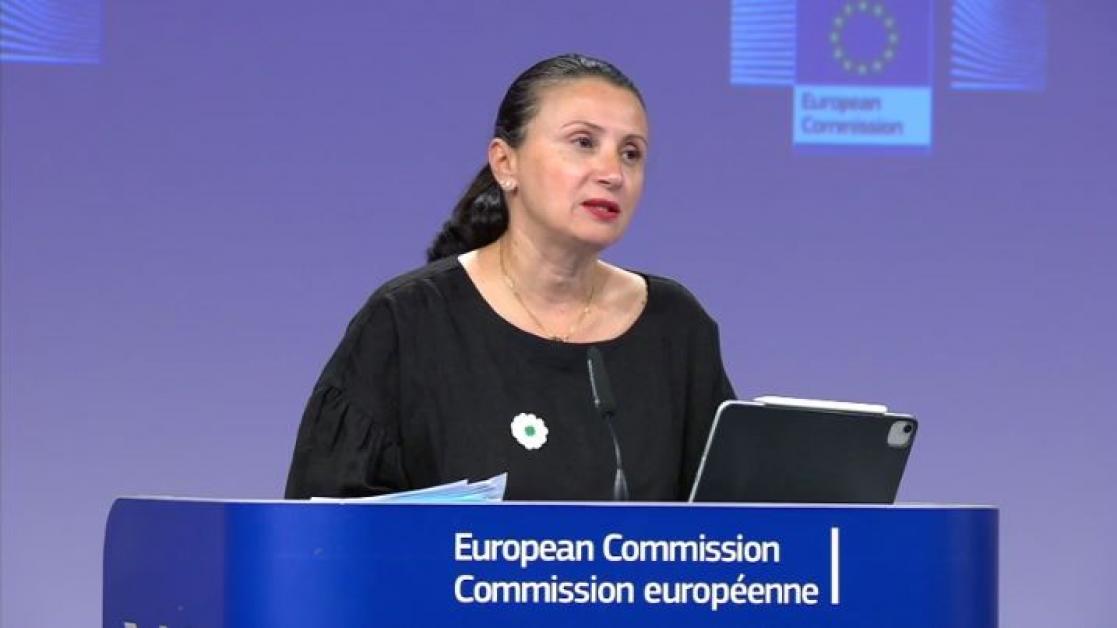
European Commission spokesperson Ana Pisonero, EEAS managing director for Europe and Central Asia Angelina Eichhorst and Deputy Head of EU delegation in Bosnia and Herzegovina Ekaterina Dorodnova, among many others, donated a scarf and sent a message to the “Mother’s scarf” art installation, part of the Srebrenica Heroines. The multimedia, educational and artistic initiative Srebrenica Heroines aims at “documenting the stories of women survivors of the Srebrenica genocide, their heroic fight against the impunity of perpetrators, and efforts to preserve the truth about genocide”. The initiative was organised by the association Movement of Mothers of Srebrenica and Žepa enclaves, the Srebrenica Memorial Centre and the Post-Conflict Research Centre (PCRC).
The EU delegation in Bosnia and Herzegovina participated in a panel discussion on the international responses to violence suppression and prevention part of the 2022 Srebrenica Youth School organised by the PCRC in Potočari.
EU spokesperson in charge of foreign affairs and security policy Nabila Massrali also wore on 11 July 2022 the symbolic Flower of Srebrenica.
Background
In July 1995, over 8,000 Muslim boys and men were systematically and deliberately killed in and around the city of Srebrenica by the Army of Republika Srpska (VRS).
The people of Srebrenica counted on the UN and the city’s status as a safe haven but instead became victims of a genocide. The International Criminal Tribunal for ex-Yugoslavia in 2004 and the International Court of Justice in 2006 established these atrocities as genocide.
The tragedy of Srebrenica took place at the depth of the war that swept across Bosnia and Herzegovina from 1992 to 1995 that claimed around 100,000 victims, half of them civilians.