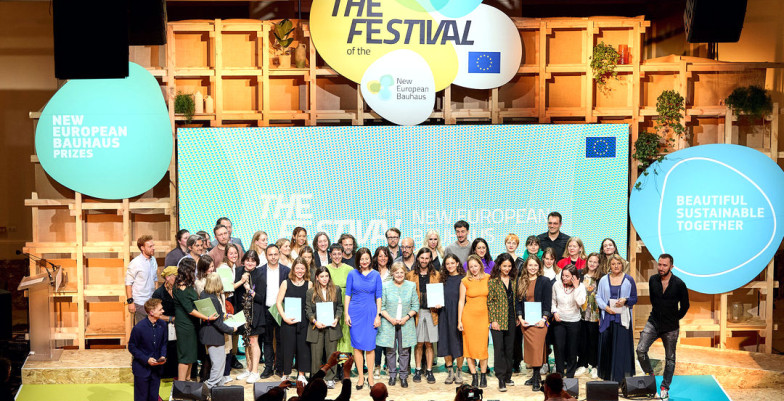
Public Diplomacy and International Cultural Relations
In an increasingly complex and interconnected world, the European Union is committed to promoting its values, fostering mutual understanding, and building trust and partnerships beyond its borders. Public Diplomacy (PD), which encompasses International Cultural Relations (ICR) as an essential pillar, provides the EU with a strategic framework to reach global audiences, facilitate cooperation, secure alliances, and tackle shared challenges.

What is public diplomacy?
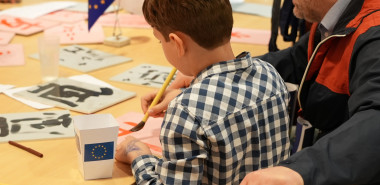
Public Diplomacy can be defined as the process of conducting international relations through interactive and long-term engagement with global publics, meaning multiple actors and networks, to facilitate cooperation, build alliances, and address common global challenges. Public Diplomacy has three dimensions: informational, reputational, and relational. A strong Public Diplomacy approach strengthens not only the image of the EU, but above all its reputation, as well as that of its global partners. Reputation is a key asset for creating a safer and better global environment for all.
Why public diplomacy matters
In a world of rapidly shifting narratives and information challenges, public diplomacy is essential for:
- Preventing disinformation and fostering trust in EU institutions.
- Building long-term partnerships with global citizens and all stakeholders.
- Promoting peace, prosperity, dialogue and mutual respect through cultural and educational exchange.
-
Image
 Copyright
European Union, 2025
-
Image
 Copyright
European Union, 2025
EU public diplomacy in action
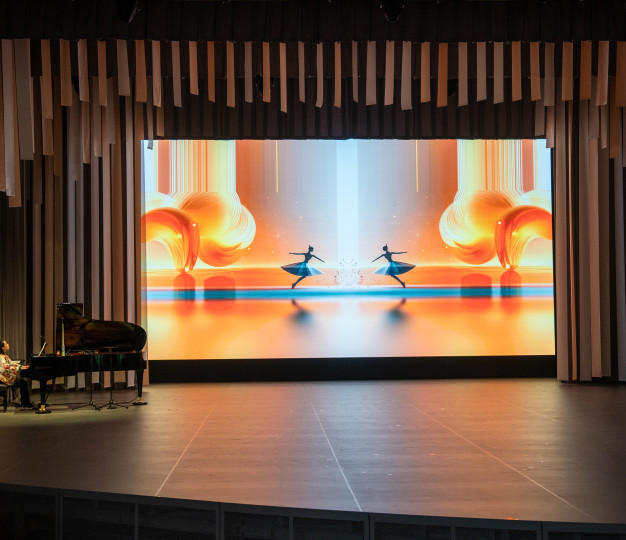
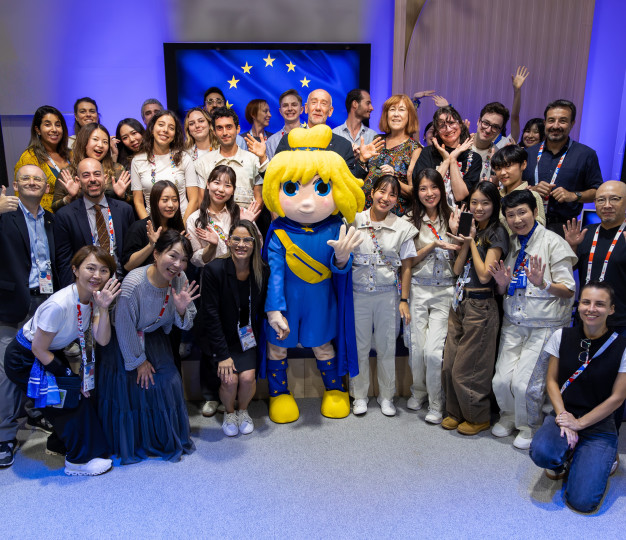
The EU participates in major international and regional initiatives to deliver public diplomacy around the world. Notable examples include the EU participation to the Guadalajara International Book Fair and Expo 2025 Osaka. These projects showcase the EU’s values, creativity, and innovation on the global stage, while fostering co-creation and dialogue with audiences worldwide.
We engage with EU Alumni and youth around the globe, to nourish trust and strengthen intercultural understanding. We listen to the opinions of young people on issues relating to EU foreign policy and offer people the chance to stay connected with the EU after having studied, worked in the EU or participated in EU-funded programmes.
We welcome students, journalists, diplomats, civil society and others in our headquarters and organise study visits to promote the EU as a global actor, through the EEAS visitors programme.
By celebrating Europe Day at our Headquarters and in EU Delegations around the world, we invite citizens to dialogue with us on EU foreign policy.
We organise European film festivals in various parts of the world combined with a series of discussions, side events, exhibitions and film industry business to business seminars.
Our public diplomacy partners
The EEAS delivers much of its public diplomacy by collaborating with partners on shared projects. We work with partners in the following ways:
-
Building Partnerships based on mutual trust: We engage with diverse stakeholders, including civil society, academia, and youth, to share ideas and values, fostering strong alliances and reinforcing EU leadership globally.
-
Long-term Engagement: We maintain continuous, mutually beneficial relationships with communities and professionals, emphasizing the relational dimension.
-
Working together as Team Europe: We collaborate closely with EU Member States, EU Delegations, international/local partners across various fields and various EU institutions.
If you want to know more of the cultural dimension within external relations in collaboration with the EU Institutions, you can have a look also at the following websites:
-
The Directorate-General for Education, Youth, Sport and Culture (DG EAC)
-
Directorate-General for the Middle East, North Africa and the Gulf (DG MENA) with which the EEAS also is part in the jury for the European Olive Branch Film Award at Cinemamed.
-
Directorate-General for Enlargement and the Eastern Neighbourhood (DG ENEST)
-
Image
 Copyright
European Union, 2025
-
Image

Culture – Implementing EU international cultural relations
Want to explore how culture connects people and strengthens international partnerships? Discover how the EU promotes shared values, mutual understanding, and global cooperation through its cultural relations initiatives. Find out more about how EU international cultural relations is implemented.