
The ESDC's contribution to CSDP missions and operations
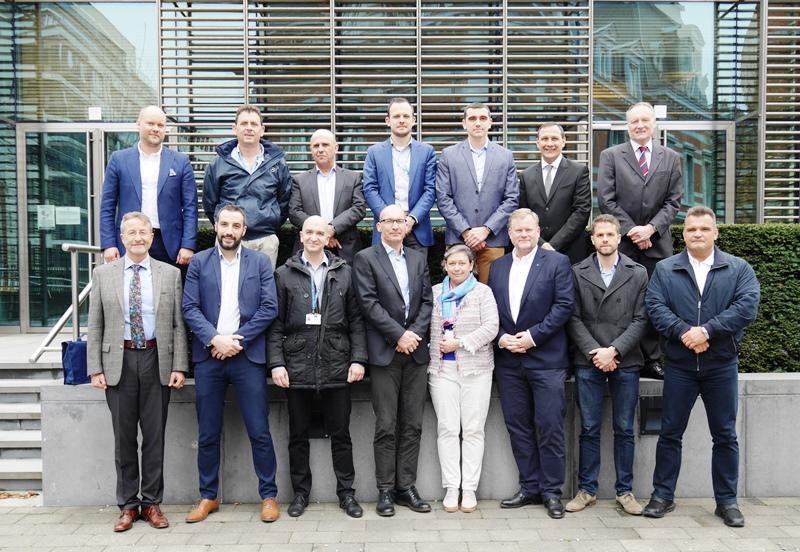
In the recent past the EU suffered its first civilian casualties. This fact, in combination with the realisation that areas of operations are becoming increasingly dangerous, has prompted Member States to fulfil their responsibilities. Firstly, by reviewing the legal framework in which experts are being deployed. Secondly, in the level of preparation – in the form of training – which experts have to undergo before being deployed.
With the adoption of the new "EU policy on training", Pre-Deployment Trainings (PDTs) have become mandatory for all future mission staff, contracted and seconded alike.
What do we mean by PDT? PDTs are eligible for experts who have been officially recruited to be deployed in the field to take up their respective assignments. It is a kind of in-briefing as regards the organisational culture, structures and relevant policies of the EU in relation to CSDP.
The PDT has become the main instrument of the ESDC to provide guidance to future mission staff on how to implement the integrated approach by involving all relevant actors to achieve synergic effects in the use of means and resources.
Furthermore, to prepare future staff for the multitude of actors they will encounter in the field, the complexity of relations within their own organisation and those within partner organisation as well as for the challenge of establishing a successful inter-operability between the relevant players.
Why are PDTs so important? Most national deployment cycles – be they military or civilian – entail a dilemma originating in two major constraints: short time in theatre in combination with time needed to become operational.
The fact is that most experts stay in the field for an average duration of one year. This means: 3 months to find one's bearings, 3 months to initialize processes, 3 months to mentally prepare for the return and in between the obligatory vacation times. All in all, this does not leave much room for contributing in a sustainable manner to the implementation of the mission mandate.
Therefore the quality of training is key! It is of the utmost importance that mission staff are prepared in the best possible manner in order to be able to blend into mission life as soon as possible and to start contributing to the process.
Relative advantage of ESDC? Benefitting from the geographical advantage of being located in Brussels, the subject-matter experts of the EU institutions, the EEAS and the mission point of contacts at CPCC - and more recently also at MPCC – personally brief future staff according to the latest state of play. The briefings are – wherever possible - tailored to the individual assignments of course participants.
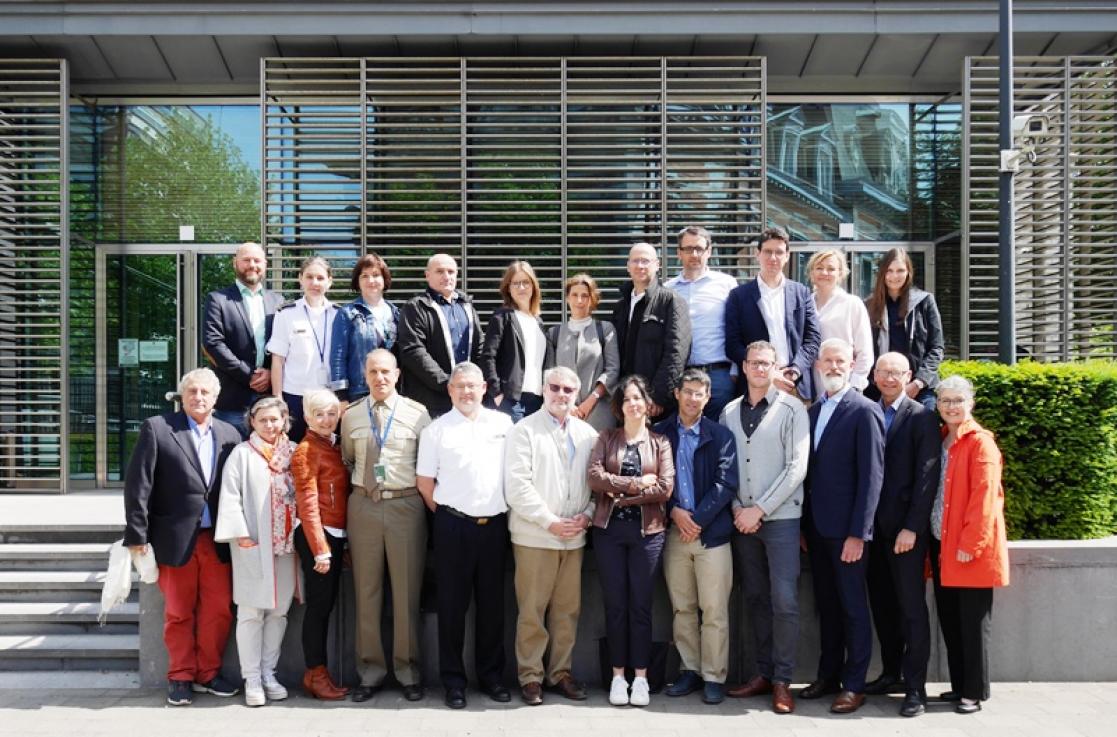
PDT 05 18 (15to to 18th May) was conducted in co-operation with FBA of Sweden and counted 22 participants (11 civilians, 6 police and 5 military) from 8 EU Member States.
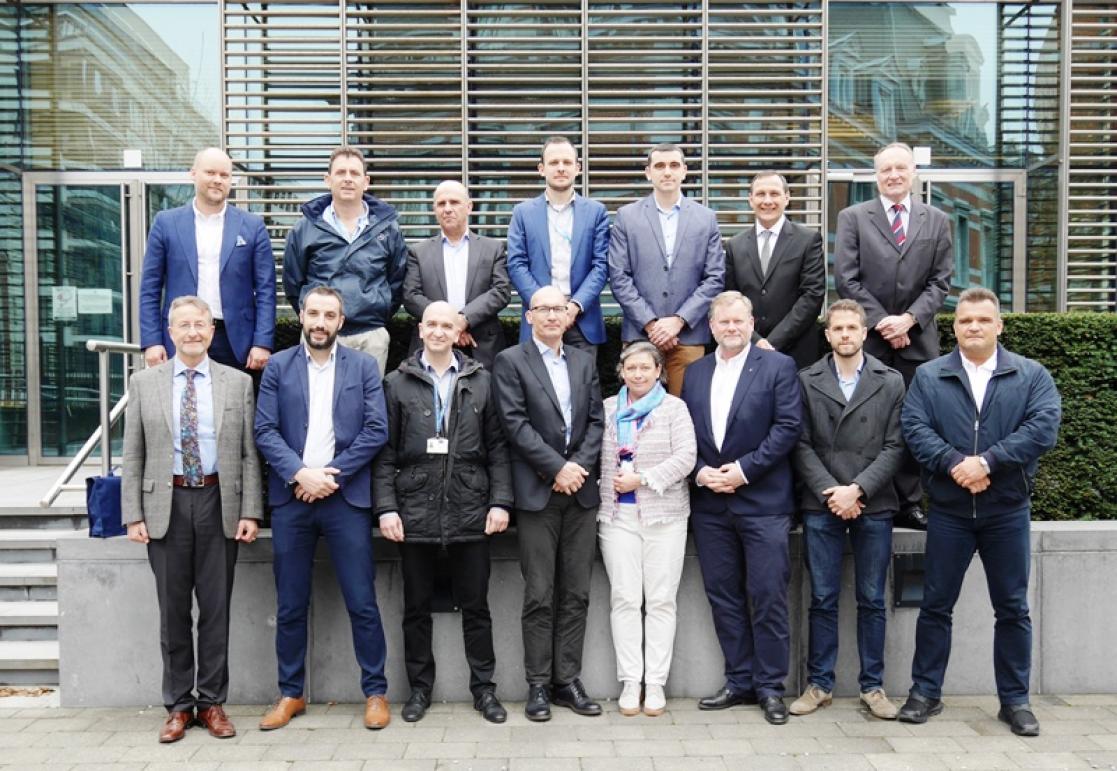
PDT 04 18 (10th to 13th April) was conducted in co-operation with CMC of Finland and counted 13 participants (4 civilians, 4 police and 5 military) from 8 EU Member States.
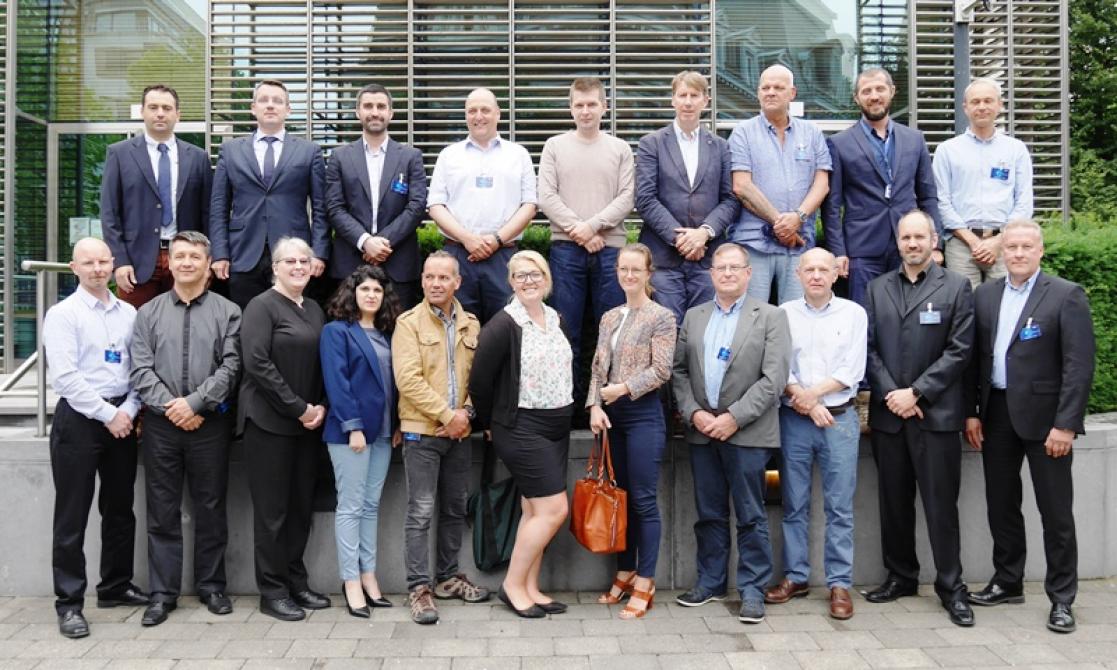
PDT 06 18 (5th to 8th June) was conducted in co-operation with Hellenic Army Academy (HAA) of Greece counted 18 participants (6 civilians, 7 police and 5 military) from 10 EU Member States.