
EU recaps its action against the proliferation of weapons of mass destruction in 2025
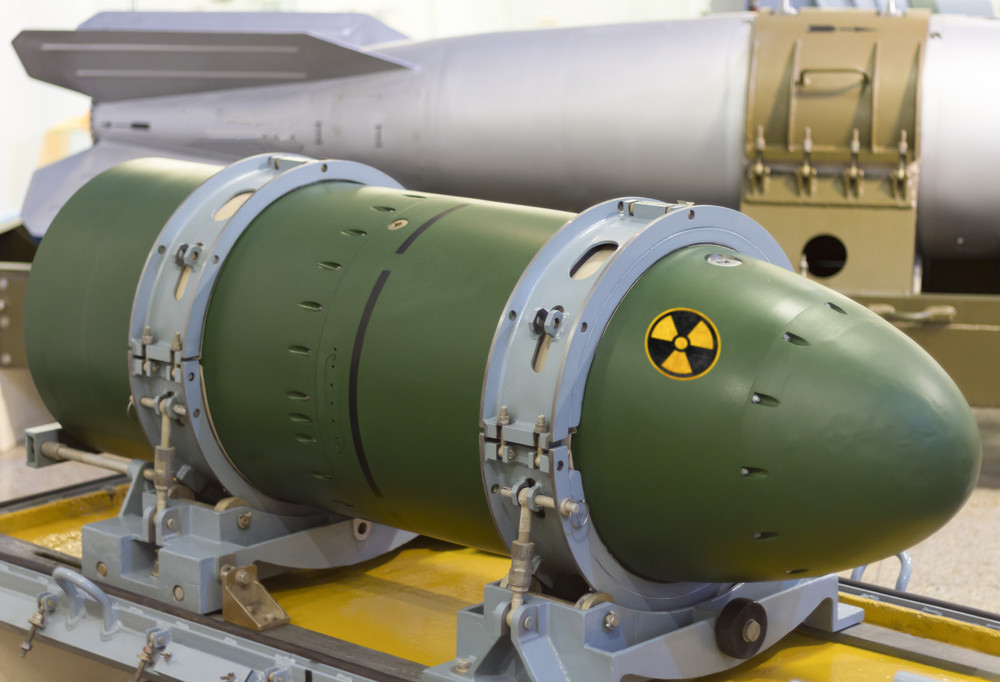
The EU remains firmly committed to countering this threat as part of its overall Strategic Compass for Security and Defence. This week, the EU publishes a report on the activities carried out in 2025 to implement the EU Strategy against the proliferation of weapons of mass destruction.
Key examples of EU efforts throughout 2025 towards a world free of WMD include the following:
- Consolidate the authority of the Nuclear Non-Proliferation Treaty (NPT): The EU continued to contribute to the review process of the NPT, true cornerstone of the international nuclear non-proliferation and disarmament regime, including by adopting new Council Conclusions and a project that allowed for the holding of multiple regional consultations in the run-up to the 2026 NPT Review Conference, which takes place every five years within this framework.
- Fight the re-emergence of chemical weapons and impunity for their use: The EU adopted a new action to support the mission activities of the Organisation for the Prohibition of Chemical Weapons (OPCW) in Syria and Ukraine, as well as the listing under the EU chemical weapons sanctions regime of three Russian entities involved in the development and use of riot control agents as chemical weapons in Ukraine.
- Prevent the development of biological weapons by promoting biosafety and biosecurity: The EU contributed to the working group on strengthening the Biological Weapons Convention (BWC) and adopted a new project to support preparations for the Tenth BWC Review Conference in 2027.
- Promote export controls: The EU continued to participate in multilateral export control regimes and promote export controls to prevent the proliferation of WMD and their means of delivery. To adapt to the new geopolitical context, the European Commission included in Annex I to the EU Export Control Regulation new national controls adopted by EU Member States on certain emerging technologies deemed highly sensitive in terms of possible WMD proliferation.
Growing concerns about WMD proliferation
In 2025, the international non-proliferation and disarmament framework continued to be impacted by Russia’s illegal war of aggression against Ukraine as well as the ongoing crisis in the Middle East, both of which resulted in escalating tensions in other regions, and growing concerns over WMD proliferation.
Despite its isolation, Russia further prioritised its war effort against Ukraine over any consideration in the field of arms control, disarmament and non-proliferation, and continued to contribute to eroding the multilateral architecture through its provocative and irresponsible rhetoric, obstructive tactics, and disinformation. China further pursued the rapid, opaque build-up of its nuclear arsenal, while the nuclear proliferation challenges posed by Iran and the Democratic People’s Republic of Korea continued to grow.
Affecting all of the above is the development of new technologies, especially artificial intelligence, which present new challenges in the fight against the proliferation of WMD.