Latest EU sanctions target Ukrainian child deportation and Russian repression

The two sets of measures send a clear message: the EU will continue to hold those responsible for violations of international law and fundamental rights accountable. They form part of the EU’s sustained and evolving response to Russia’s war of aggression against Ukraine.
Further EU sanctions on Russia
With today’s decisions, the EU is once again using sanctions to target those responsible for violations of international law, human rights abuses and repression, alongside the economic and military structures sustaining Russia’s war of aggression.
The two sets of measures form part of the EU’s broader and evolving sanctions response to Russia’s war against Ukraine, targeting different actors and networks involved in sustaining the aggression and in activities that have wider implications for European security and fundamental rights.
The EU will continue to adapt its response, increase pressure where necessary and hold those responsible accountable.
What do these measures mean?
Those listed for sanction are subject to an asset freeze, while EU citizens and companies are prohibited from making funds or economic resources available to them. Listed individuals are also subject to a travel ban to the EU.
Russia’s war has stolen childhoods
Russia’s war has not only destroyed lives and homes — it has also separated Ukrainian children from their families and subjected many of them to efforts aimed at reshaping their identity.
Since the beginning of Russia’s full-scale war, more than 20,500 Ukrainian children are estimated to have been unlawfully deported or forcibly transferred to Russia or within temporarily occupied Ukrainian territories.
In many cases, these transfers have been accompanied by forced assimilation, including indoctrination and militarised education, with programmes designed to promote Russian narratives and integrate children into Russian identity frameworks.
Russia’s war has not only destroyed lives and land—it has stolen childhoods. In this video we hear from survivors of these abductions.
Targeting those responsible for the deportation and forced assimilation of Ukrainian children
The Council today adopted restrictive measures against 10 individuals and 17 entities responsible for actions undermining or threatening Ukraine’s territorial integrity, sovereignty and independence.
The decision targets those responsible for the systematic unlawful deportation and forcible transfer of Ukrainian children to the Russian Federation and within temporarily occupied territories of Ukraine, as well as their forced assimilation, including indoctrination and militarised education.
The listings target Russian companies, children’s camps and sports centres involved in programmes promoting Russian history, war commemorations and military-patriotic education, as well as state and occupation officials and camp and school heads responsible for facilitating the transfer, forced assimilation and indoctrination of Ukrainian children. The measures also target Songdowon International Children’s Camp, a state-operated institution in the Democratic People's Republic of Korea involved in programmes transferring Ukrainian children from temporarily occupied territories to Russia and promoting pro-Russian narratives.
Defending democratic opposition in Russia
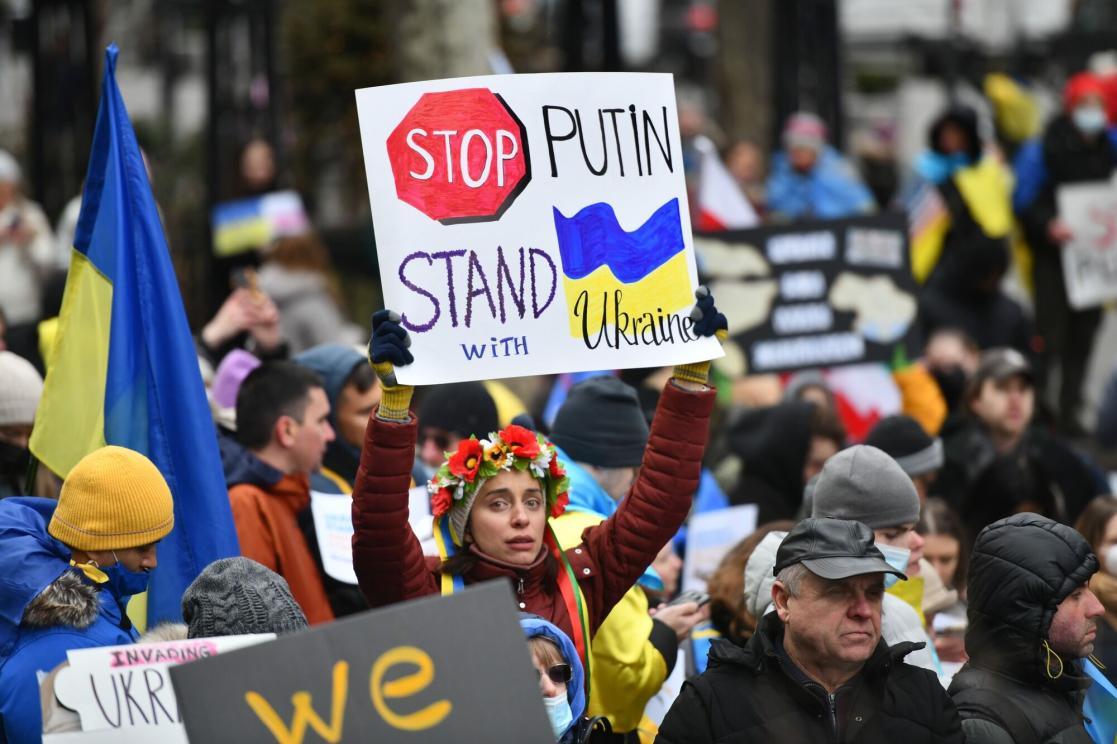
The Council has also adopted restrictive measures against 10 individuals for supporting the repression of democratic opposition and seriously undermining democracy and the rule of law in Russia.
Nick Starichenko/Shutterstock
The listings include three judges of the Supreme Court of the Russian Federation and an official in the Prosecutor General’s Office involved in the decision to bar the Yabloko political party from participating in the September 2026 State Duma elections. Yabloko was the only political party that openly opposed Russia’s war of aggression against Ukraine.
The listings also include the judge who sentenced Lev Shlosberg, an opposition politician from Yabloko, to 11 years and one month in prison for discrediting the Russian army and spreading “fake news” regarding Russia’s war of aggression against Ukraine, as well as the state prosecutor who requested the sentence. The Council also listed the judges involved in the trials of Maxim Kruglov and Nikolai Rybakov, other prominent Yabloko figures.
The measures come against a backdrop of continued repression of civil society and democratic opposition in Russia. The EU established its dedicated sanctions framework in 2024 to target those responsible for serious human rights violations and abuses, repression of civil society and democratic opposition, and the undermining of democracy and the rule of law.
With today’s decision, restrictive measures in view of the situation in Russia now apply to a total of 108 individuals and 7 entities.
See also:
- EU sanctions 10 individuals and 17 entities over unlawful deportation of Ukrainian children to Russia
- Human rights violations in Russia: Council lists ten individuals over the barring of Yabloko from the State Duma elections
- European Union sanctions
- International conference on return of Ukraine's children