Disarmament, Non-Proliferation and Arms Export Control
The EU promotes peace and protects its citizens by restricting the spread and use of weapons worldwide. Through diplomatic, technical, and financial support, the EU helps enforce international treaties that ban or restrict nuclear, chemical, biological, and conventional weapons. Under the leadership of Special Envoy Stephan Klement, the EU works with third countries, international organisations, and civil society to reduce global weapons stockpiles, prevent their diversion to criminals and terrorists, and regulate the development of new weapons agents and technologies. The EU, together with its Member States in their national capacity, is one of the world’s biggest donors in this area.
On This Page
- What the EU does on non-proliferation and disarmament
- Special envoy for non-proliferation and disarmament
- Weapons of Mass Destruction
- Conventional weapons
- Arms export control
- EU-projects in the area of non-proliferation, disarmament and arms export control
- Interested in learning more about non-proliferation and disarmament?
Navigate the topic
What the EU does on non-proliferation and disarmament
The EU is a strong force for disarmament and non-proliferation.
EU diplomacy helps support over a dozen non-proliferation and disarmament treaties and regimes that keep the world safe from weapons of mass destruction and better control the movement of conventional weapons, including small arms and light weapons.
We continue to work diligently to defend and support the multilateral non-proliferation and disarmament architecture, engage with likeminded and other partners, and fund projects worldwide to prevent the spread and use of dangerous weapons.
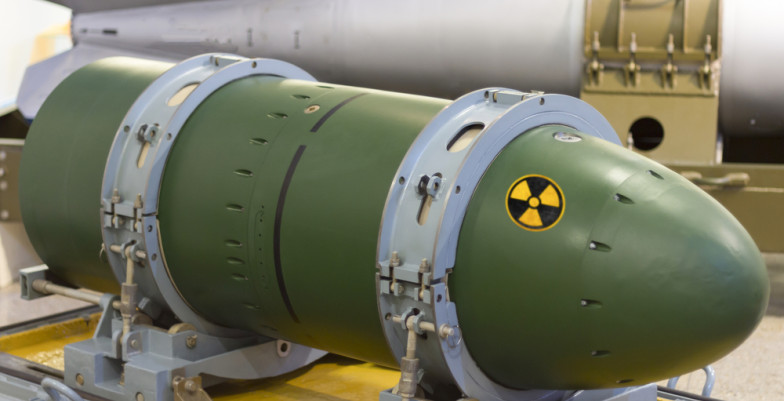
Weapons of mass destruction are a huge threat to human life. Nuclear, chemical and biological weapons have the capacity to kill indiscriminately and devastate our health and the planet long after being used. Even materials used on a daily basis in science and industry can become deadly weapons if they fall in the wrong hands or are handled wrongly. This is why the EU works to help control weapons materials, reduce nuclear arsenals, and enforce the ban on chemical and biological weapons.
Weapons trafficking is another major challenge, fuelling conflicts around the world. The EU supports countries worldwide in preventing and countering illicit trafficking of small arms and light weapons and their ammunition. We also work with our Member States so that arms exported from Europe are not used against civilians.
Landmines and cluster munitions are inhumane weapons that can terrorise communities for decades. The EU is the world’s largest donor on mine action, including mine clearance, assistance to victims and mine risk education.
We also work on better addressing the challenges posed by the military use of emerging new technologies, including artificial intelligence.
The multilateral non-proliferation and disarmament architecture is facing tough challenges today. Geopolitical tensions and proliferation crises undermine the norms and institutions that have been built up during the last decades to protected us from mankind’s most destructive weapons. This is why the EU is working harder than ever to uphold, enforce, and improve arms control regimes for a more secure, more peaceful world.
In this video, the EU Special Envoy for Non-Proliferation and Disarmament explains what the EU is doing on non-proliferation and disarmament.
Special envoy for non-proliferation and disarmament
“The EU’s efforts are grounded in its foundational commitment to peace, multilateralism and international law. Ensuring security and peace around the globe are our top priorities. In this spirit, our daily work contributes to the international community endeavours to prevent the spread and use of weapons that pose the greatest threats to human life.”
As the Special Envoy for Non-Proliferation and Disarmament, Stephan Klement represents the EU’s commitment against the spread and use of weapons on the international stage. He leads EU diplomacy in multilateral arms control fora and meets with foreign leaders to advance disarmament and non-proliferation. Ambassador Klement is a dedicated arms control advocate with civil society. He regularly attends public events, where he engages with experts, citizens, and the young generation to find innovative solutions for global arms control challenges.
Ambassador Stephan Klement was appointed EU Special Envoy for Disarmament and Non-Proliferation in February 2024. From 2019 to 2023 he served as EU Head of Delegation to the International Organisations in Vienna. Since 2016 he has also been the Special Advisor for the Iranian nuclear issue in the European External Action Service, Brussels.
Earlier in his career he served as Head of Unit Euratom Co-ordination, Legal Matters and International Relations, Directorate-General for Energy, European Commission, Luxembourg (2014-2017); Senior Advisor for the Iranian nuclear issue, European External Action Service, Brussels (2010-2015); Office of the European Union High Representative's Personal Representative for non-proliferation of weapons of mass destruction, European Council, Brussels (2004-2010); Assistant to the Director for Nuclear Inspections, Directorate-General for Energy and Transport, European Commission, Luxembourg (2002-2004); Administrator, Security Policy Unit, Directorate-General for External Relations, European Commission, Brussels (2000-2001); Administrator, Nuclear External Relations, Directorate-General for Energy, European Commission, Brussels (1998-2000); and Scientific Advisor, Austrian Permanent Mission to the Conference on Disarmament in Geneva during the Comprehensive Nuclear Test-Ban Treaty negotiations (1996-1997).
Mr. Klement holds a Doctoral degree in International Law from the Institute of International Law and International Relations, University of Vienna. He holds a Doctoral degree in Physics from the Institute of Experimental Physics, University of Vienna, a Master's degree in Law and a Master's degree in Theoretical Physics, both from the University of Vienna, Austria.
-
Image
 Copyright
European Union
Stephan Klement
Weapons of Mass Destruction
EU Strategy against the proliferation of weapons of mass destruction (WMD)
If used, nuclear, chemical, and biological weapons cause immense human suffering. Their proliferation can trigger dangerous arms races. Even radioactive materials and potent chemicals that are used in energy production, medicine, and industry can become a threat if they are acquired by terrorists. Therefore, preventing the use and proliferation of WMD’s is a top priority for the European Union.
The EU strategy against WMD proliferation made non-proliferation a central goal of the EU’s Common Foreign and Security Policy (CFSP), stating “our objective is to prevent, deter, halt and, where possible, eliminate proliferation of concern worldwide.”
The promotion of multilateral solutions, a key principle of the EU’s external policy, remains a priority. We can only address the major global challenges of our era by working in partnership with others, whether States, international and regional organisations, civil society, the private sector and other stakeholders in order to deliver results on issues important to our citizens.
The Annual Reports on the implementation of the EU Strategy show how we promote nuclear disarmament, fund civil protection and border control training, support international organisations like the IAEA and the OPCW to safeguard nuclear materials and eliminate chemical weapons, and more. Here is the 2025 Annual Progress Report and its Annex.
See also previous reports:
- 2024 Report and Annex
- 2023 Report and Annex
- Earlier Reports
Nuclear weapons
Treaty on the Non-proliferation of Nuclear Weapons
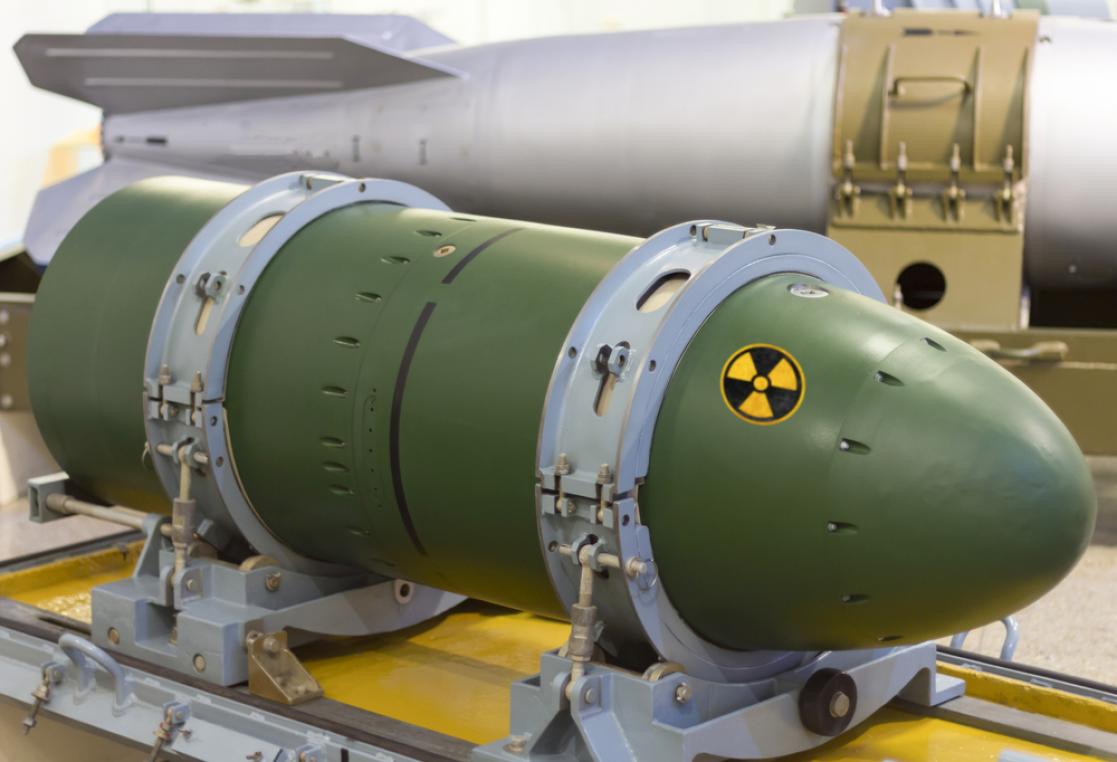
The Treaty on the Non-proliferation of Nuclear Weapons (NPT) is the cornerstone of the global nuclear non-proliferation regime, the essential foundation for the pursuit of nuclear disarmament in accordance with its Article VI, and an important element in developing nuclear energy applications for peaceful purposes according to its Article IV.
The EU is firmly convinced of the enduring value of the Treaty. We are firmly committed to uphold and to strengthen the integrity of the Treaty, to promote its universalisation and to enhance its implementation. The Foreign Affairs Council adopted on 15 December 2025 Conclusions in view of the 2026 NPT Review Conference. The EU has also supported financially a series of outreach events in the lead up to the 2026 NPT Review Conference to support the President-designate in his task to identify future oriented actions to be agreed upon by NPT States Parties.
Nuclear Security
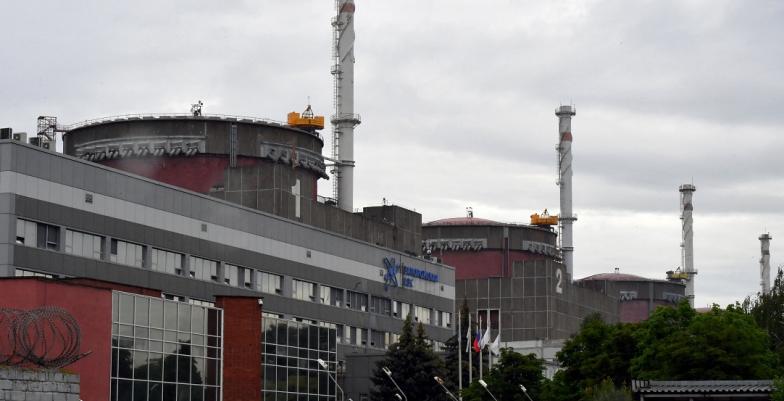
The risk of non-authorised actors (including terrorists, criminals, insiders) acquiring nuclear or other radioactive material is a major threat to international peace and security. The EU believes in the need to continue strengthening nuclear security worldwide in order to prevent nuclear terrorism and the misuse of nuclear and radioactive material.
The European Union supports the central role of the International Atomic Energy Agency (IAEA). Besides political support, the EU offers financial support to the IAEA, and is among the most important donors of the Agency.
To strengthen the nuclear security architecture globally, the EU is also supporting the International Convention for the Suppression of Acts of Nuclear Terrorism (ICSANT). This Convention requires States Parties to adopt legislative and technical measures to protect nuclear material, installations and devices, and to prevent unauthorized access to them. Building on our nuclear security engagement so far, the EU is financially supporting a project that promotes the universalisation and effective implementation of the ICSANT.
Comprehensive Nuclear-Test-Ban Treaty
Nuclear weapon test explosions or any other nuclear explosions are a serious threat to international peace and security. The Comprehensive Nuclear-Test-Ban Treaty (CTBT) is one of the most widely supported treaties. Since its opening for signature in 1996, the CTBT has achieved near universal adherence. It has helped to stop the practise of nuclear weapon tests, and also serves as a strong confidence- and security building measure.
The Comprehensive Test-Ban-Treaty Organization (CTBTO) operates what has become the world’s largest and most sophisticated multilateral verification system. It monitors signs of nuclear explosions around the globe and the clock.
Promoting the entry into force and universalisation of the CTBT remains a priority for the EU. All EU Member States have ratified the Treaty, and we remain strongly committed to pursuing the achievement of its objectives.
The EU works closely with the CTBTO, supporting it also financially. Our funding helps to strengthen the CTBTO’s monitoring and verification capabilities, and to promote the universalization of the Treaty.

Chemical weapons
The Chemical Weapons Convention (CWC) is one of the most successful disarmament arrangements in the world, with 100% of the declared chemical weapons stocks verifiably destroyed. The European Union is a strong supporter of the Convention and its implementing body, the Organisation for the Prohibition of Chemical Weapons (OPCW), politically, diplomatically and financially with a view to enhancing the global ban on chemical weapons and preventing their re-emergence.
The OPCW Technical Secretariat has a unique expertise to inspect and detect chemical weapons, prohibited chemical substances and their precursors. Training activities play an important role in improving the capacities of national authorities, such as Customs and first responders, of the 193 States Parties to the Convention.
The EU is strongly committed to supporting the OPCW's fight against impunity for the use of chemical weapons, including identifying the perpetrators of chemical weapons attacks in the Syrian Arab Republic and in Ukraine, as well as through introducing restrictive measures under its chemical weapons sanctions regime.
The European Union, as well as its Member States in their national capacity, make substantial voluntary financial contributions in support of the OPCW. They do this to ensure that the Organisation remains fit to face future challenges, for example through contributions to the establishment of the OPCW laboratory, the “ChemTechCentre” as well as to ensuring OPCW business continuity. The EU-OPCW cooperation takes place in the framework of the EU-OPCW Cooperation Agreement signed in 2024.
Biological weapons
The Biological and Toxin Weapons Convention (BWC) is the cornerstone of international efforts to prohibit the development, production, and stockpiling of biological and toxin weapons. With its 189 States Parties and four additional states having signed but not yet ratified it, the Convention is nearly universal. The European Union as such has an observer status in the Convention.

The EU contributes to discussions on key issues such as international cooperation, scientific and technological developments, and verification mechanisms.
In recent years the EU has actively supported the strengthening of the BWC through continued political advocacy, financial contributions, and the implementation of specific projects to enhance BWC universalisation and implementation.
The EU provides assistance to developing countries to help them develop national capacities for BWC implementation, including legislative and regulatory assistance, and support for improving national biosafety and biosecurity.
The EU supports regional workshops and direct engagement with scientists and biosafety professionals to raise awareness of the BWC, promote responsible conduct in science, and discuss the implications of rapid scientific advancements for the convention.
The EU also provides support to the UN Secretary-General's Mechanism for Investigation of Alleged Use of Chemical, Biological and Toxin Weapons, including training for experts to expand the roster of trained personnel.
See Also: What are biological weapons?
Ballistic missiles
The Hague Code of Conduct against Ballistic Missile Proliferation (HCoC) is the result of efforts of the international community to regulate the area of ballistic missiles capable of carrying weapons of mass destruction. The Code is a politically binding document, encouraging States to undertake a number of measures to ensure a certain degree of transparency, and therefore confidence building with regard to their activities in the ballistic missiles area.
The HCoC is the only multilateral transparency and confidence building instrument against the spread of ballistic missiles. HCoC members commit themselves politically to provide voluntarily pre-launch notifications on ballistic missile and space-launch vehicle launches and test flights. They also commit themselves to submitting an annual declaration of their country’s policies on ballistic missiles and space-launch vehicles.
The European Union supports and promotes the objectives of the Code politically and financially, in support of outreach activities aimed at the universalization, the implementation and the enhancement of the HCoC.
Conventional weapons
Small arms and light weapons (SALW)
The diversion of SALW and their ammunition continues to contribute to instability and violence worldwide. Illicit SALW fuel global terrorism and destabilise entire regions, states and their societies, thwarting sustainable development and crisis management efforts. Most armed conflicts, civil wars, organised crime and terrorist attacks are conducted with SALW as the major weapons. Currently, SALW is the most dangerous and life-taking proliferation challenge.
The 2018 EU Strategy against illicit firearms, small arms and light weapons and their ammunition "Securing arms, protecting citizens" presents a common way forward for the EU on how to address this threat. For that reason, the EU is undertaking actions to prevent the illicit trade in SALW and their ammunition, to curb their diversion to criminals, terrorists, and other unauthorised users, and to promote accountability and responsibility with regard to the legal SALW trade. The EU is taking these actions together with the Member States and in cooperation with other states, regional and international organisations, civil society and other stakeholders.
Currently, the EU is supporting a project in Latin America and the Caribbean (in cooperation with UNODA and OAS), in Ukraine in the context of Russia’s war of aggression (in cooperation with OSCE and UNDP SEESAC), and in the Western Balkans (in cooperation with UNDP SEESAC).
Video from the field:
From 2019 to 2022, 22 countries in Latin America and the Caribbean strengthened their capacity to prevent illicit firearms trafficking and armed violence with the support of the European Union and the Organization of American States (OAS). With the contribution of the European Union of EUR 3 million the OAS has delivered comprehensive support to countries to improve their normative framework on firearms control, strengthen firearms and ammunition management, and increase community resilience to armed violence.
The video details all the results achieved and the impact of the European Union’s contribution to the communities of Latin America and the Caribbean. The continuous support of the European Union with the commitment of an additional EUR 4 million for the period of 2022-2025 will allow the continuity of this successful partnership and the sustainability of the progress achieved. Considering the Americas have the highest regional rate of homicides in the world, with almost 70% of them perpetrated with firearms, it is fundamental to continue supporting countries to reduce the illicit proliferation of small arms and light weapons.
Anti-Personnel Mines
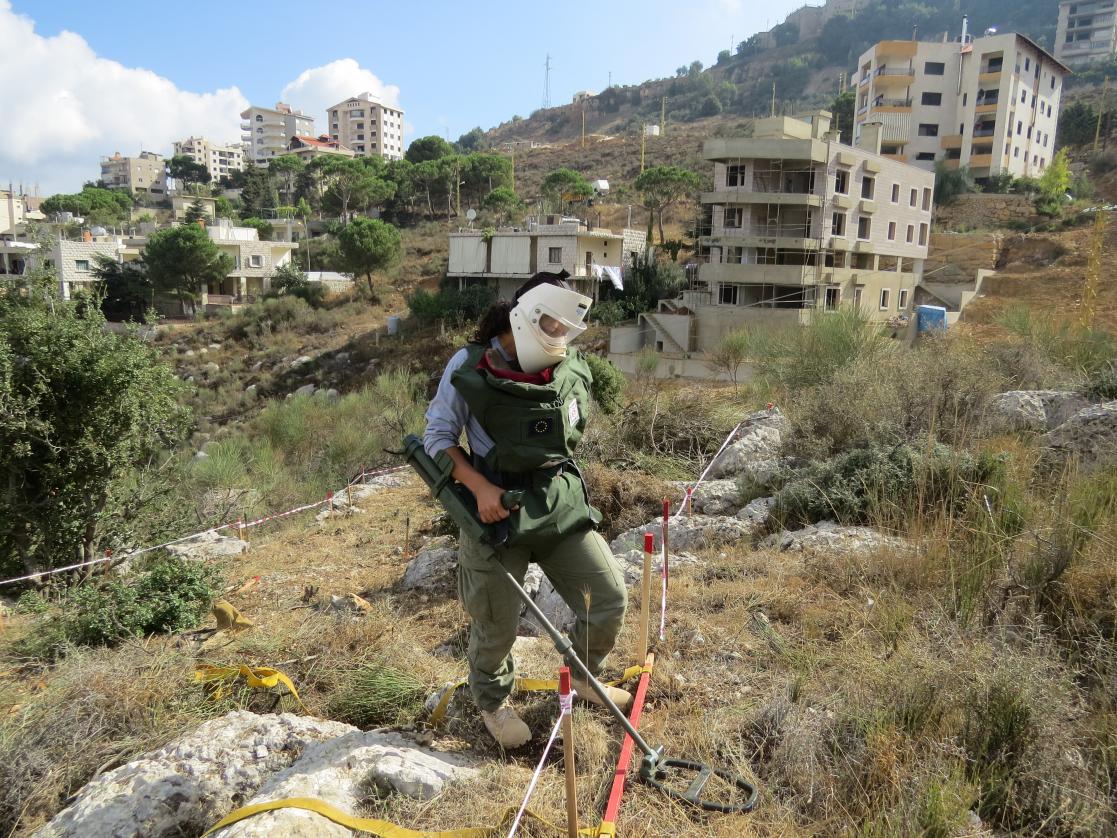
Anti-personnel landmines continue to cause casualties long after the end of armed conflicts. They pose persistent risks to civilian populations, hinder the safe return of refugees and internally displaced persons, and constrain socio-economic development in affected areas.
In 1997, States adopted the Convention on the Prohibition of the Use, Stockpiling, Production and Transfer of Anti-Personnel Mines and on Their Destruction (the Anti-Personnel Mine Ban Convention, also known as the Ottawa Convention), establishing a comprehensive legal framework to eliminate anti-personnel mines. As of 2026, 163 States are party to the Convention, while 35 States are not.
The European Union has a long-standing commitment to the objectives of the Ottawa Convention and to its effective implementation. The EU continues to promote universalisation of the Convention and compliance with its provisions, in line with its broader commitment to international humanitarian law.
The EU is among the leading global donors in the field of mine action. It provides sustained financial support for humanitarian demining, mine risk education, victim assistance and the destruction of stockpiled anti-personnel mines. EU-funded actions also contribute to the socio-economic reintegration of victims and affected communities. The EU cooperates closely with the United Nations, civil society organisations and implementing partners.
Cluster Munitions
Cluster munition remnants have deadly impact on civilian populations and cause serious psychological trauma. These weapons also obstruct economic and social development, impede post-conflict rehabilitation and reconstruction, delay or prevent the return of refugees and internally displaced persons. They pose a threat to civilians, sometimes for decades after a conflict has ended.
The EU values the humanitarian aspects of the Convention on Cluster Munitions, which addresses explosive remnants of war, including cluster munition remnants.
New Technologies
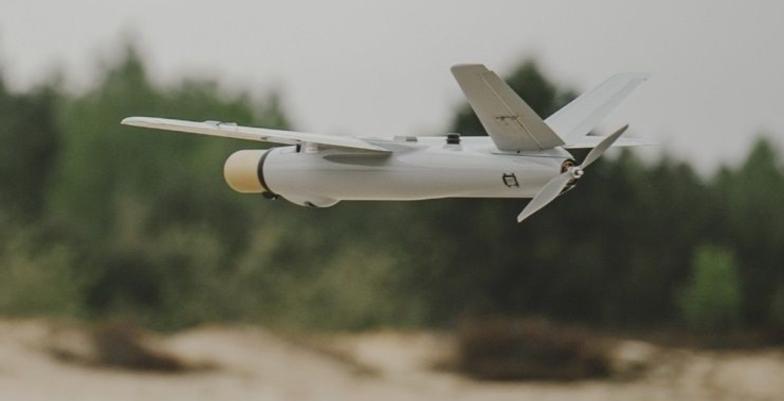
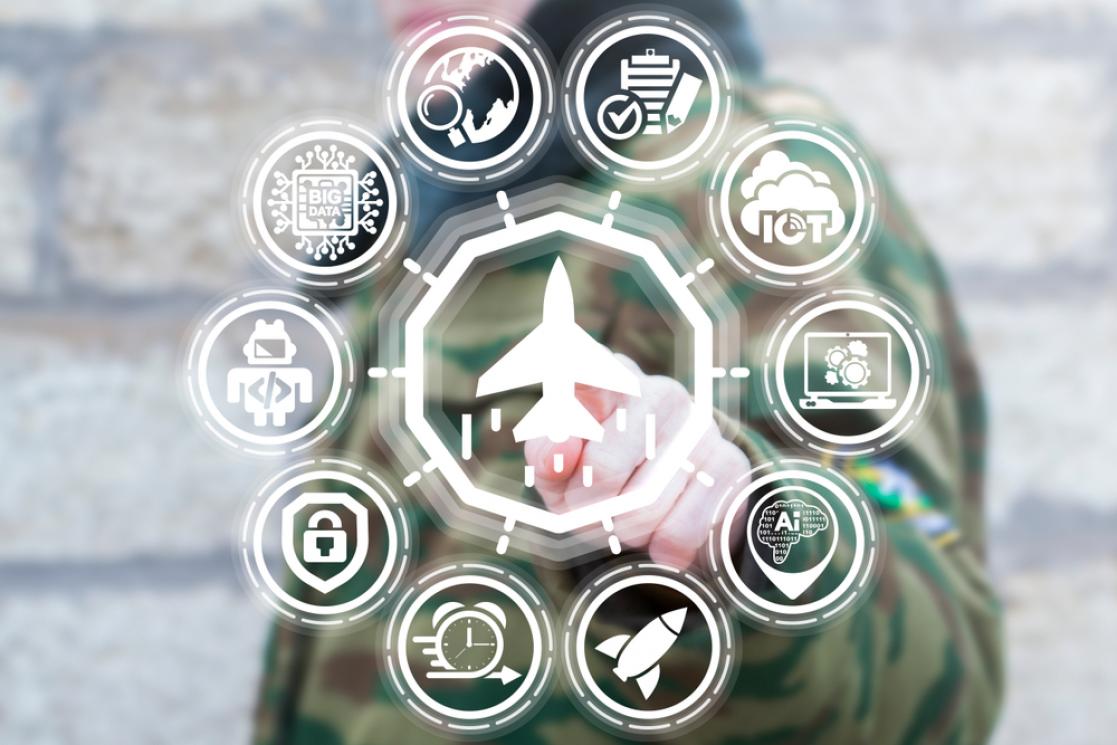
The speedy development of new technologies also has impact on weapons. They get more precise, sometimes cheaper, can replace people and perform new tasks. The EU and its Member States are discussing how to control new weapons and ensure that humans remain in charge. These discussion take place for instance at the Group of Governmental Experts (GGE) on Lethal Autonomous Weapons Systems (LAWS). This is the most important international forum, uniting all UN Member States, NGOs, industry, military and researchers. They try to reach agreement on principles and rules for the use of new technologies in weapons.
There are many questions. How autonomous can a weapon become before human control is lost? How to continue to comply with international laws and human rights? For now, the GGE on LAWS has agreed on important guiding principles and is working on making them more concrete. Perhaps the most important question is how to modernize existing arms control treaties so they capture the nature of new weapons.
-
Image
©Shutterstock
Arms export control
EU Member States issue export licenses for military equipment based on the criteria as agreed in the EU Common Position on Arms Export (last updated in April 2025). Military weapons have an indispensable role in the preservation of security, freedom and peace, provided they are used in accordance with International Law, including Human Rights Law and International Humanitarian Law. At the same time, weapons of war are by definition capable of inflicting death and destruction. This ambivalence means that governments that control such weapons must ensure that they are traded and used in a responsible and accountable way, and prevent their diversion to terrorists, criminals and other unauthorised users. COARM (the Working Group on Conventional Arms Export) contributes to the implementation of the EU Common Position on Arms Export, inter alia by facilitating the exchange of information between Member States on denials and on sensitive destinations.
The EU does all it can to ensure that utmost transparency in arms export of its Member States is being upheld; it shares data on arms export annually in a public database. This enables national parliaments, civil society, and the European Parliament to hold informed debates.
The EU supports third countries in setting up effective arms export control systems, thus contributing to the universalisation and implementation of the Arms Trade Treaty. A globally implemented Arms Trade Treaty is crucial to the reduction of violence and human suffering in conflict-affected regions. In force since December 2014, the Arms Trade Treaty regulates international trade in conventional arms, with the goal of reaching a responsible arms trade and eradicating the illicit sale and diversion of arms. All EU Member States are parties to the Treaty. The EU is committed to expanding the ATT membership and supporting its national implementation. To that end, it funds bilateral and regional capacity building.
The EU is also supporting EU candidate states to align with the requirements of the EU membership, through legislation, design, and best practices of national arms export control systems.
The objectives of the EU actions on conventional arms export control for 2025-2030 are outlined in Council Conclusions of 14 April 2025.
SEE ALSO: Annual EU Arms Export Reports, User's Guide, EU Common Military List, Council Conclusions
EU-projects in the area of non-proliferation, disarmament and arms export control
The EU supports a large number of projects against the proliferation of weapons of mass destruction, of conventional weapons and of small arms and light weapons. The projects are worldwide, regional, or focused on concrete countries and are implemented by EU Member State Agencies, Treaty Bodies, UN Bodies or Regional Organisations.
Since 2004, the EU has financed more than 160 projects, with more than €470 million.
SEE ALSO: EU Projects in the Area of Non-Proliferation, Disarmament and Arms Export Control
Interested in learning more about non-proliferation and disarmament?
The EU Non-Proliferation and Disarmament Consortium’s e-learning course covers all aspects of the EU non-proliferation and disarmament agenda. On their website, you will find information about the Consortium, its activities, papers, newsletter and more.