Maritime Security
-
Image
 Copyright
European Union
Why it matters
Oceans and seas are vital to the EU’s security and prosperity.
Over 80% of global trade goes through maritime routes and up to 99% of the global data flow are transmitted through undersea cables. In the European Union 50% of citizens live in maritime regions which also generate half of the EU's GDP. The EU’s Member States form together the largest combined exclusive economic zone (EEZ) in the world.
In an era of rising geopolitical rivalries, illicit activities, competition for natural resources and hybrid threats at sea, the EU and its Member States are working to strengthen the rules-based order at sea and the EU’s role as a global maritime security actor.
Ensuring free, safe and open seas
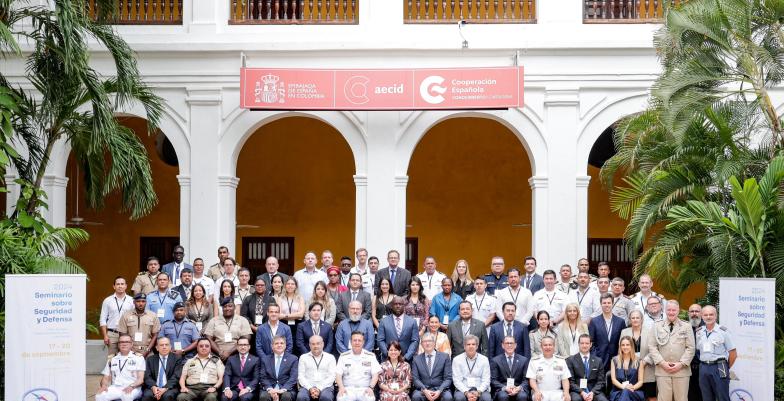
The EU actively shapes maritime security through operational engagements and naval presences, investment in capacity-building, support to regional maritime security architectures in the Gulf of Guinea and in the Indian Ocean, and cooperation with a variety of partners – including the UN, NATO, regional organisations as well as a growing number of third countries.
To strengthen the EU’s ability to address maritime threats, protect its citizens and economy, and uphold a rules-based order at sea, the EU adopted in 2023 a revised Maritime Security Strategy and Action Plan. Together, they provide a comprehensive framework for tackling various threats and challenges at sea.
Aligned with the Strategic Compass for Security and Defence, the strategy reflects major changes in the global security environment, climate impacts, and growing geopolitical competition at sea, while building on progress made in EU-wide civil-military cooperation and information sharing.
-
Image
 Copyright
European Union
-
Image
 Copyright
European Union
Six strategic objectives of the EU
The revised EU Maritime Security Strategy focuses on six strategic objectives:
- Stepping up activities at sea: through EU naval operations (EUNAVFOR), annual EU-level naval exercises, stronger coastguard cooperation, and Coordinated Maritime Presences.
- Cooperating with partners: Deeper cooperation with NATO and like-minded partners in Asia, Africa, and the Pacific, to uphold the rules-based order with the UN Convention on the Law of the Sea at its core.
- Lead on maritime domain awareness: Improved surveillance and secure information-notably via the Common Information Sharing Environment (CISE).
- Managing risks and threats: Regular joint exercises and reinforced protection of critical maritime infrastructure.
- Strengthening capabilities: Common defence technology requirements, collaborative shipbuilding projects (like the European Patrol Corvette), and improved anti-submarine capabilities.
- Educating and training: Develop qualifications, notably on cyber and hybrid threats, and conduct training programmes open to external partners.
The Maritime Security Strategy contributes to a more coherent engagement of the EU, thereby enhancing the security of Europe and its citizens. In accordance with the EU Integrated Approach to external conflicts and crises, it leverages all relevant EU civilian and military policies, tools and instruments to strengthen coordination and synergies among all relevant actors at European, regional and national level.
Response to vulnerabilities and emerging threats
Protection of Critical Maritime Infrastructure (CMI)
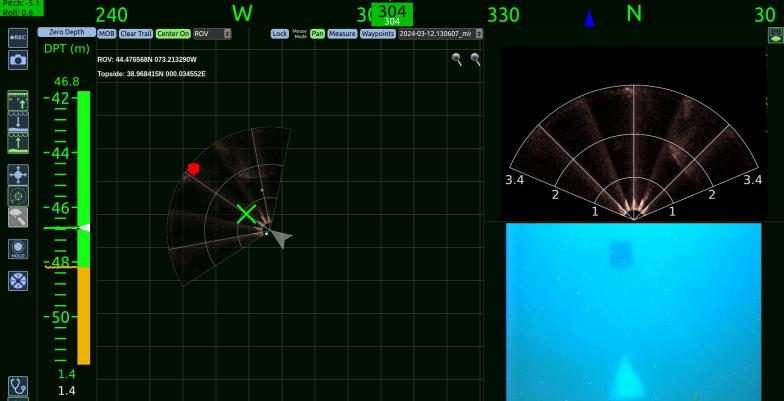
Beyond traditional maritime threats, the resilience of critical maritime infrastructure - particularly undersea communications cables - requires close attention. Safeguarding undersea communications has become a strategic priority. Their vulnerability to accidents, sabotage, and unlawful surveillance underscores the need for enhanced cooperation, monitoring, and investment in resilience.
- Read the EU’s Action Plan on submarine cables.
Countering Russia’s shadow fleet
By protecting safe sea lanes and upholding the law of the sea, the EU and Member States address broader risks to the maritime domain, such as those posed by Russia's ‘shadow fleet’.
The ‘shadow fleet’ – over 800 sub-standard vessels sailing without real oversight – is exploited by Russia to evade sanctions in the energy sector. While energy revenues are the main source of funding of the Russian war effort, the shadow fleet also undermines maritime security, environmental protection, and safety of navigation. These ships hide their position, destination and origin of the oil they carry, they are insufficiently insured and often operated by undertrained personnel. All this poses severe risks to many aspects of maritime security.
Substandard ships and undertrained personnel risk causing accidents, oil spills, damage to critical maritime infrastructure. They also pose risks to the global economy, by undermining common standards and fair competition. Often underinsured, these ships then leave coastal States and their taxpayers to bear the costs of accidents and environmental clean-up.
The EU and its Member States are stepping up their actions to counter the shadow fleet’s operations:
- Sanctions: the EU has sanctioned around 600 vessels and 40 enablers of shadow fleet operation.
- Surveillance, coordination and enforcement: together with its Member States, the EU uses tracking tools and information-sharing to coordinate responses to shadow fleet activities. This is about enhancing ‘maritime domain awareness’, maritime surveillance and operational coordination, to inform concrete enforcement actions in cases of breach of international law.
- Working with partners: at the same time, the EU works closely with partners all over the globe to raise awareness of the risks posed by the shadow fleet and to provide practical support, including technical assistance and capacity-building.
Women in Maritime Security
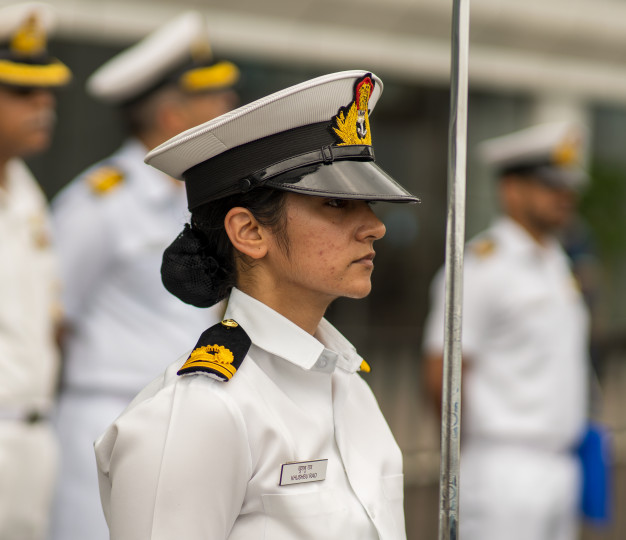
In the Gulf of Guinea, Europe, and beyond, women play a critical role for maritime security. Their role across the maritime sector is particularly encouraged by EU cooperation and capacity-building programmes in the field, such as the EU-funded EnMar project, which underline their achievements and challenges.
The EU aims to highlight these achievements also for younger women to see that there is a place for them in this field, that their contributions matter and that they can build rewarding careers in maritime security.
Coordinated Maritime Presences
In addition to the naval operations conducted under its Common Security and Defence Policy, the EU implements Coordinated Maritime Presences.

European Union
The Coordinated Maritime Presences initiative – launched in the Gulf of Guinea in 2021 (until 2027) and North-Western Indian Ocean (in 2022, extended until 2026) – improves coordination of Member States’ naval and aerial assets. The initiative enhances maritime situational awareness, and fosters synergies between EU projects, increasing the overall impact of EU efforts.
Coordinated Maritime Presences also reinforce regional frameworks such as Yaoundé Architecture and the Djibouti Code of Conduct Jeddah Amendment (DCoC-JA), through training, events, and diplomatic outreach.
- Follow the link to read the factsheet on Coordinated Maritime Presences
EU Maritime Diplomacy
What is Maritime diplomacy? It is the use of naval forces and sustained maritime presence to advance political and security objectives through cooperation, dialogue and partnership.
Because navies are costly to build, maintain, and deploy, their presence sends a credible signal of political commitment.
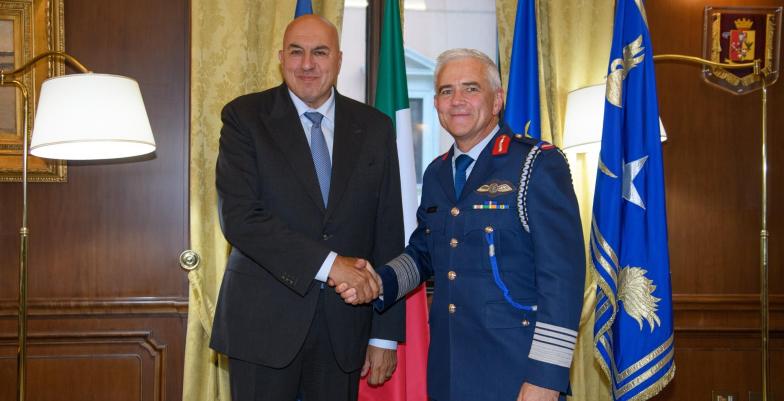
For the European Union, maritime diplomacy is unique in that the EU has no standing navy of its own. Instead, it relies on Member States’ assets deployed, making it inherently a Team Europe effort that combines national naval capabilities with EU political coordination and diplomatic engagement.
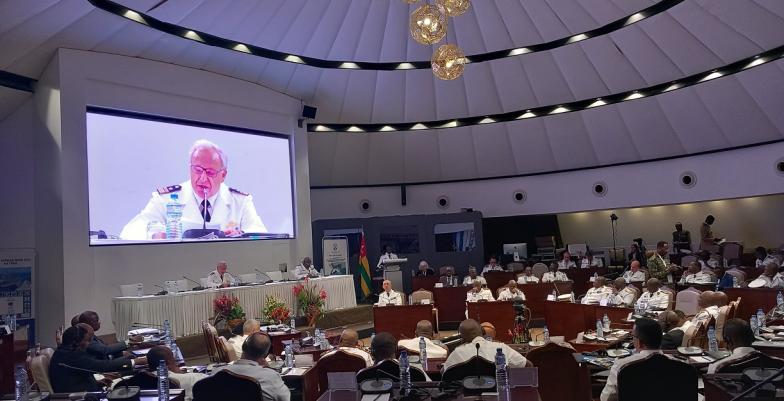
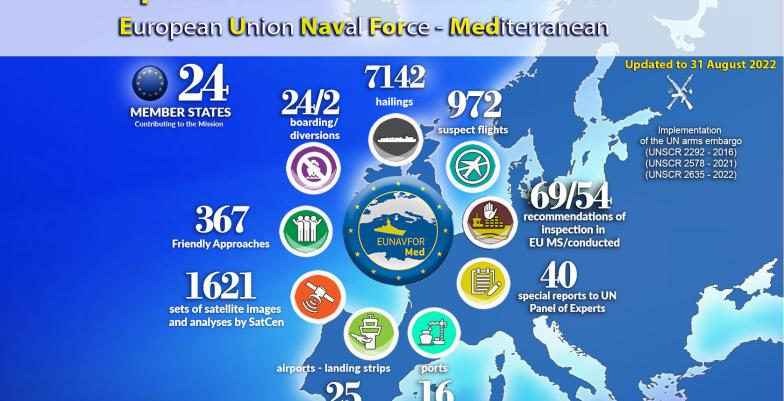
Operations such as EUNAVFOR ATALANTA, EUNAVFOR ASPIDES, and Operation EUNAVFORMED IRINI contribute to maritime security and to upholding international law, while also demonstrating the EU as a reliable maritime security partner. Beyond executive operations, the EU’s maritime diplomacy also operates through sustained engagement. The Coordinated Maritime Presences framework enhances information-sharing and ensures a continuous, though flexible, European naval footprint in maritime areas of interest. This also includes activities during port visits, high-level events, and capacity-building initiatives to further reinforce partnerships and support local maritime governance.
Through this integrated approach, the EU aligns Member States’ naval deployments with diplomatic outreach. The EU maritime action therefore serves not only operational objectives, but broader diplomatic goals: strengthening partnerships, promoting stability, and upholding a rules-based maritime order.
A key function at the heart of the EU’s maritime diplomacy is the EU Senior Coordinator for Maritime Security. Within the European External Action Service, the tasks of the Senior Coordinator is to facilitate cooperation among EU activities and support the integrated approach, work with Member States in a Team Europe spirit, and engage with the maritime industry. Since summer 2023, Dr Alison Weston is the Senior Coordinator for Maritime Security. Dr Weston oversees networks involving EU Member States, including Member State navies, EU delegations, and relevant services within the EEAS and European Commission to implement the concept of Coordinated Maritime Presences and EU strategic priorities in maritime security.
These efforts aim to ensure that the EU's maritime security initiatives are cohesive and effective, supporting the broader diplomatic and security goals in key maritime regions.
-
Image
 Copyright
European Union, 2026